Inflation’s Stadium: Harder Than a Losing Streak
Buenos Aires is a city that pulses with a rhythm as frantic as a football match in its final minutes. For years, I felt that energy not in the stands, but in the frantic, desperate beat of my own heart. Every week, the cost of a choripán felt like a new high score against me. The official exchange rate was a fiction, the black market—the “blue dollar”—was the true, volatile heartbeat of the economy. This wasn’t just inflation; it was a psychological siege. Watching your salary’s purchasing power evaporate was a silent, slow bleed compared to a sudden gambling loss. A losing streak ends; the prices in the grocery store never go back down. This relentless pressure pushed me, and many others I knew, toward what felt like a quick escape: chasing miracles in the frantic, high-stakes world of sports betting.
My Collapse: Gambling’s Fourth-Quarter Meltdown
Gambling felt like the only game in town where I could call an audible. Inflation was a monstrous opponent I couldn’t tackle, but a football match? That was 90 minutes of pure possibility. My strategy was all emotion, a pursuit of the “big win” that would solve everything.
- I was “chasing losses,” throwing good money after bad to recover from yesterday’s mistake, convinced the next bet was the comeback.
- My research was non-existent; I bet on gut feelings, local loyalties, and a superstitious belief in patterns.
- Wins felt incredible—temporary islands of financial calm. But they were always reinvested, never secured.
The collapse wasn’t a single moment, but a final, brutal quarter. I had placed a reckless accumulator bet on a string of unlikely results. One by one, the games turned. The last goal, scored against “my” team in injury time, wasn’t just a loss on a screen. It was the sound of a door slamming shut. The money was gone. More than that, the illusion of control was shattered. I was left with nothing but a profound understanding that I was not a player in this game, but the mark.
The Comeback Drive: Learning Compound Growth
In the hollow quiet after the collapse, necessity forced a new perspective. If I wanted a different outcome, I had to learn a different game. I stumbled upon the world of investing, not as a get-rich-quick scheme, but as a system of logic. This was the antithesis of the betting window. The key concept that changed everything was compound growth.
> “Compound interest is the eighth wonder of the world. He who understands it, earns it; he who doesn’t, pays it.” > This quote became my mantra. My goal shifted from a single explosive touchdown to a steady, grinding march down the field.
I started with what I could understand:
- Low-cost index funds that tracked the entire market, not individual “star” stocks.
- The critical difference between saving (parking money) and investing (putting it to work over long periods).
- Using a Dollar-Cost Averaging (DCA) approach, putting in a small, fixed amount regularly regardless of market noise. This wasn’t betting on a price; it was building a position.
Stacking Small Wins: From Desperation to Scoring
The real transformation happened in the daily practice. Where gambling demanded big, anxious stakes, investing rewarded consistent, small actions. I learned to stack small wins.
My initial rules were simple:
- Automate First: A small percentage of my income was automatically directed to a broker before I could spend it.
- Invest in Knowledge: I spent what I used to bet on a single match on books about financial history and economics instead.
- Track in Pesos, Think in Assets: I stopped obsessing over the peso value of my portfolio day-to-day and focused on the number of shares or units I owned.
- The “24-Hour Rule”: Any impulse to sell during a market drop required a full day of reflection. Panic was not a strategy.
These weren’t thrilling victories. There was no roar of a crowd. But the quiet satisfaction of seeing my portfolio slowly grow, of owning a tiny sliver of productive businesses worldwide, gave me a sense of stability I hadn’t felt in years. My first dividend payment, small enough to buy a few coffees, felt more legitimate than any betting win.
Back in Position: Patience as the Ultimate Play
Today, the rhythm of Buenos Aires feels different. The inflation monster is still there, a persistent opponent. But I am no longer a spectator to my own financial life, desperately trying to sneak a win past it. I’m on a different field, playing a longer game. The frantic energy of the casa de apuestas has been replaced by the patient discipline of the investor.
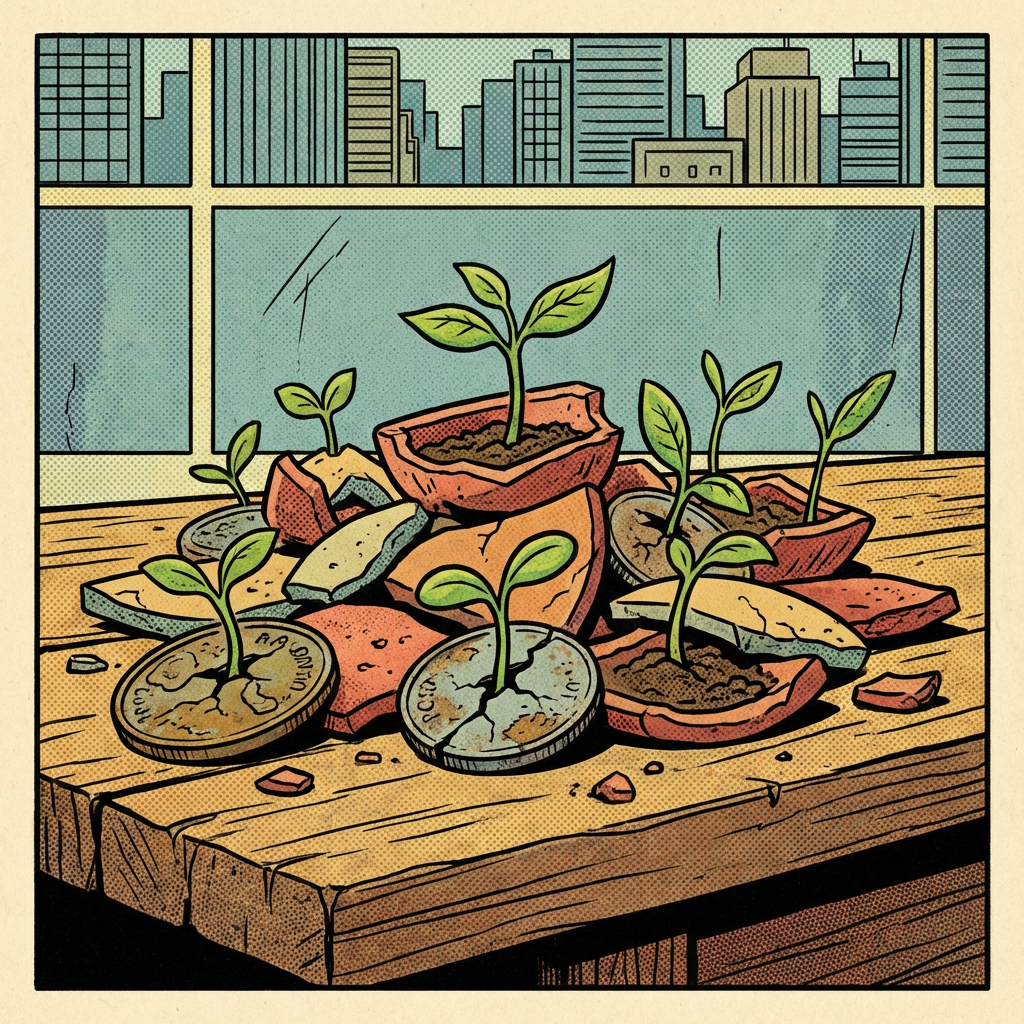
The most powerful lesson from this Buenos Aires tale is that patience is the ultimate play. A gambler seeks immediate validation; an investor cultivates a garden, understanding that growth happens underground, unseen, before anything breaks the surface.
My collapse was a necessary defeat. It cleared the way for a real comeback, not built on luck, but on the quiet, relentless power of learning, consistency, and time. In a city that never stops moving, I finally found peace in standing still and letting the mathematics of growth work for me. The final whistle hasn’t blown, but for the first time, I trust the game plan.
Leave a Reply