When the final whistle blows, the score is settled. For millions, sports fandom is a healthy escape, a community built on shared passion. But for a small, tragic minority, that passion becomes a pathology, morphing from a pastime into a private hell. This is the story not of a team’s loss, but of a superfan who lost everything, watching their life unravel one bad bet at a time, long after the players have left the pitch.
From Teammate to a Ghost in the Stands
Every superfan starts somewhere. For many, it’s a genuine connection—maybe they played the sport in their youth, feeling the camaraderie of the locker room. They were part of a team. As life moves on, that sense of belonging transfers to the professional stands. The weekend game becomes a sacred ritual, the jersey a second skin, and the fortunes of the team inexplicably linked to their own wellbeing. This deep emotional investment is the fertile ground where trouble can take root.
- The initial bets often feel harmless, even logical.
- “I know this team better than any oddsmaker,” they think.
- A small wager on your own team feels like an expression of faith.
- Winning that bet doesn’t just put money in your pocket; it validates your fandom, your knowledge, your identity.
Yet, slowly, the focus shifts. The thrill of the game becomes secondary to the thrill of the action. You’re no longer just cheering for a win; you’re cheering for a cover, an over, a parlay. You become a ghost in the stands, physically present but mentally calculating odds and point spreads, disconnected from the very joy that brought you there.
The Delusion of Beating the Books
This stage is marked by a dangerous and seductive fallacy: the belief that fan knowledge equates to market-beating insight. The superfan accumulates decades of trivia, understands tactical nuances, and follows injury reports religiously. They convince themselves that this passion gives them an edge that cold, algorithmic sportsbooks don’t possess.
> “I’ve watched every game for 20 years. I feel when they’re going to lose. This isn’t gambling; it’s a calculated investment based on expertise.”
The reality is brutally different. Emotional attachment clouds judgment. That “gut feeling” is often just hope dressed up as analysis. A devastating last-minute loss, which a neutral bettor would write off as variance, feels like a personal betrayal to the superfan, fueling a desire for immediate revenge—a concept known as “chasing losses.”
- The Trap of “Sure Things”: No game is a sure thing. The “guaranteed win” is the biggest lie a gambler tells themselves.
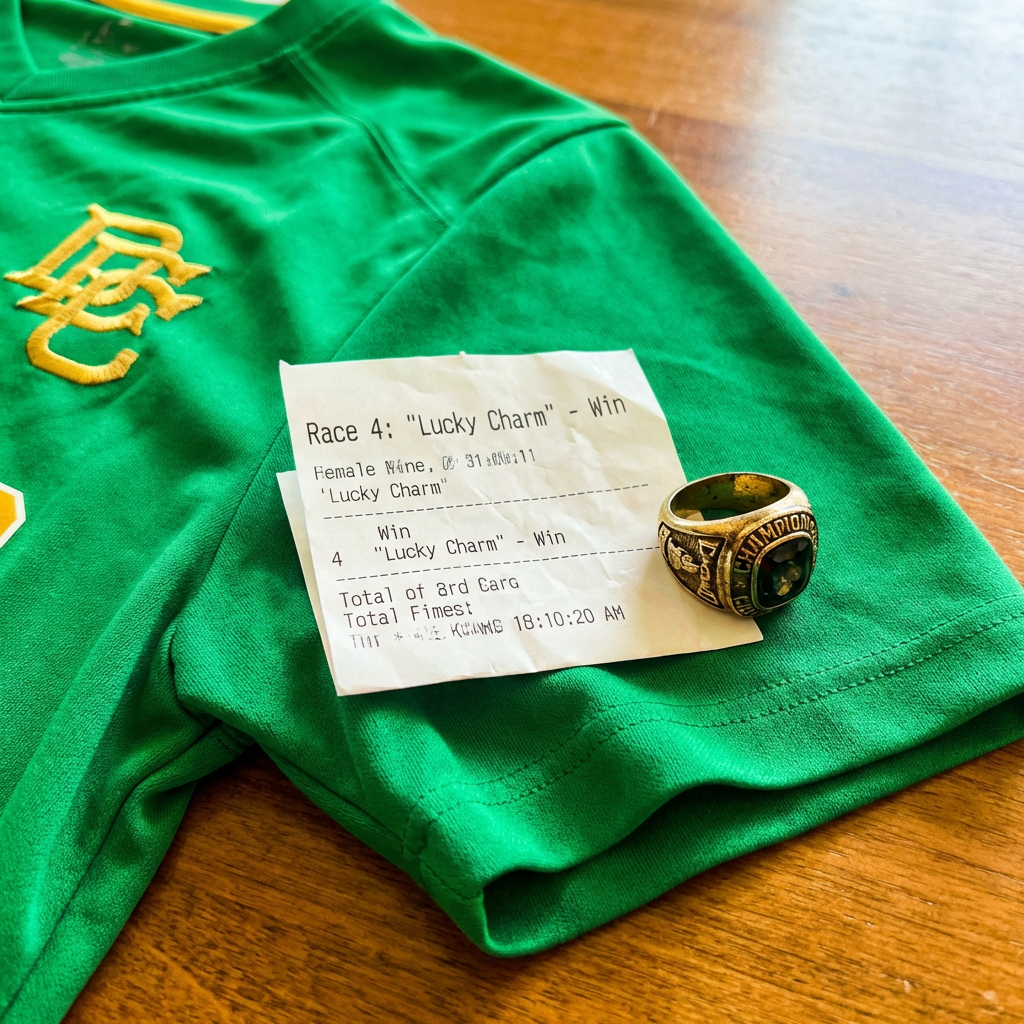
- The Illusion of Control: Believing that wearing a lucky jersey or watching from a specific seat can influence an outcome is a cognitive distortion that fuels further betting.
- Ignoring the Vig: The sportsbook’s built-in commission, or “vigorish,” means you start at a statistical disadvantage on every single wager.
Selling Everything Chasing a Miracle
When losses mount, logic evaporates. The bank account drains, but the addiction’s engine is still running on the fumes of previous big wins and the desperate need to feel whole again. This is when assets start to disappear. It begins with the “extras”—the signed memorabilia, the collector’s edition console. Then it moves to the essentials.
The narrative in the gambler’s mind becomes one of necessity: “If I can just get one big score, I can buy it all back, and no one will ever know.” They sell items of deep sentimental value, often connected to the very fandom that led them here, in a grim irony.
- A championship ring or signed jersey pawned for a fraction of its worth.
- The car sold with a story about “upgrading later.”
- Dipping into savings earmarked for a family vacation or home repairs.
Each sale isn’t seen as a loss, but as capital for the inevitable, redemptive win. It’s a destructive feedback loop where every lost bet creates a deeper hole, demanding more radical action to escape.
Borrowing From the Wrong People
With personal resources exhausted and credit maxed out, the isolated superfan turns to external sources. At first, it might be soft loans from friends or family, often secured with elaborate, false stories about medical bills or car trouble. But as trust erodes and those doors slam shut, the landscape grows darker.
> The shift from legal sportsbooks to illegal bookies or online loan sharks is a point of no return. The stakes are no longer just financial.
These lenders operate without regulation or empathy. The pressure changes from anxiety to fear. The phone calls stop being from frustrated spouses and start being from voices offering “help” with terrifyingly clear terms. The debt is no longer a number on a screen; it’s a physical threat. The game is no longer a sport; it’s a terrifying race against a ticking clock, where the consequences of losing extend far beyond money.
The Final Whistle on a Ruined Life
The end is rarely a dramatic, single moment. It’s a slow, quiet unraveling that finally becomes impossible to ignore. The final whistle blows on this life when:
- Relationships are shattered beyond repair.
- The home is lost, or the family has left.
- The legal consequences of desperate actions come due.
- The individual is left utterly alone, with the very sport they loved now a trigger for shame and pain.
The stadium, once a temple of joy, becomes a haunting reminder. The fan’s identity, once proudly tied to their team, is now a hollow shell. They haven’t just lost money; they’ve lost their community, their family’s trust, their self-respect, and their future. The unraveling is complete.
The story of the superfan-gambler is a modern tragedy, a warning of how passion can be weaponized by addiction. It highlights the critical difference between enthusiastic support and destructive obsession. Responsible fandom is about embracing the unpredictable joy of sport. Problem gambling sells the lie that you can control that unpredictability, for a price that ultimately costs everything but the score. If you or someone you know sees these warning signs, reaching out for help is the most important call you can make—before the final whistle blows.
Leave a Reply