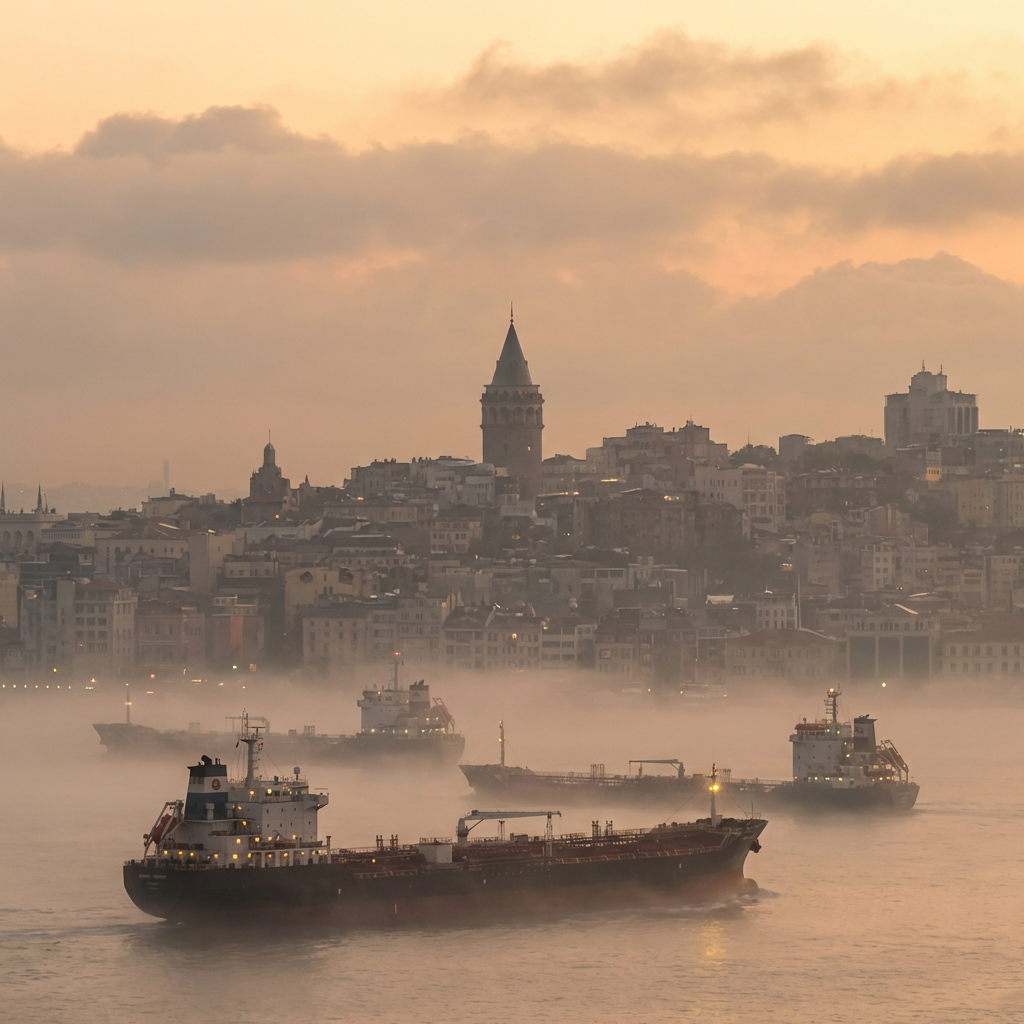
The centuries-old stones of Istanbul’s Galata Tower have witnessed empires rise and fall, love stories unfold, and a million tourists gaze out at the panoramic meeting of continents. Yet in the hushed, pre-dawn hours, when the Bosphorus is a slate-gray ribbon beneath a fading blanket of stars, another, more ruthless drama sometimes plays out. This is the world of “The Galata Tower Gambit,” an elaborate and perilous confidence game not of cards, but of ledgers, maritime corruption, and a desperate bet placed against the city’s very soul. It’s a scheme where fortunes are lost not in back alleys, but in the cold, calculated columns of fraudulent shipping manifests, and the only redemption comes from a clerk’s quiet, meticulous vengeance.
A Desperate Wager on Dawn’s Gray Waters
The gambit begins not with a flourish, but with a quiet conversation in a meyhane near Karaköy. The key players are two archetypes of the city’s shadow economy. First, the Desperate Beneficiary, often a struggling shipping agent or a businessman whose debts are piling up as fast as the ships sailing past his window. He sees not the beauty of the strait, but a liquid highway of untapped value. His partner is the Corrupt Official, a mid-level functionary within the labyrinthine ports authority or customs office. This individual controls the sacred ledger of passage—the official record of a vessel’s transit, tonnage, and tolls owed to the state for using the Bosphorus.
Their wager is simple in concept, but complex in execution. The scheme involves a “phantom deduction” from a ship’s declared cargo. For instance:
- A tanker carrying 100,000 tons of crude oil is logged as carrying only 95,000 tons.
- The Corrupt Official certifies the false figure, collecting the state toll on the reduced amount.
- The Desperate Beneficiary then sells the “missing” 5,000 tons of cargo on the black market, splitting the illicit profit with his accomplice.
The bet is that the sheer volume of maritime traffic—the dozens of tankers, freighters, and container ships that navigate the strait daily—will camouflage their crime. They are wagering that the system is too vast, too busy, and too compromised to notice one small, recurring discrepancy. It is a gamble placed on the gray waters at dawn, hoping the fog of bureaucracy will never lift.
The Ledger, The Ledger, and a Rising Tide
The heart of the gambit, and its ultimate point of failure, is the ledger. In this digital age, the system often relies on a fragile mix of electronic records and easily forged paper documents. The corrupt official’s power stems from being the gatekeeper of this official truth.
However, the sustainability of the scam relies on discipline, and greed is a patient’s worst enemy. The initial, cautious “deductions” grow larger. The frequency increases. A single phantom shipment becomes a pattern. The rising tide of avarice creates its own detectable wake in the financial currents:
> “A gambit built on a ledger forgets that for every credit hidden, a corresponding debt of evidence accumulates elsewhere in the system.”
The smuggled cargo must be stored, sold, and the money laundered. Each step leaves a footprint—a suspicious wire transfer, a warehouse rental paid in cash, a sudden luxury purchase by a modestly paid clerk. The Bosphorus may swallow secrets, but the financial system has a long memory and an unforgiving appetite for anomalies.
When the Bosphorus Swallows a Man’s Soul
The true cost of the Galata Tower Gambit is never merely financial. For the Desperate Beneficiary, what begins as a shortcut to solvency becomes a psychic prison. The constant anxiety of exposure is corrosive. The majestic view from the Galata Tower, once a symbol of Istanbul’s grandeur, transforms into a panopticon; every tourist with a camera feels like an investigator, every police boat a potential herald of ruin.
The Bosphorus itself changes. No longer a source of livelihood or beauty, it becomes a accomplice and a threat—a deep, cold witness to his crime. The sound of ship horns becomes a warning siren. This psychological unraveling is the “vig” or house fee that the gambit extracts, long before any official hand falls on a shoulder. The man is consumed long before the crime is uncovered.
A Clerk’s Calculated Vengeance of Light
Every empire of shadows is eventually exposed by a sliver of light. In the world of the gambit, this light often comes from an unexpected source: the Conscientious Clerk. This is not a high-ranking official, but perhaps an junior auditor, a data-entry operator, or a new hire in the accounts department who notices the pattern that others choose to ignore.
Their vengeance is not one of violence, but of meticulous, patient revelation. They bypass the compromised chain of command. Their tools are not weapons, but evidence:
- Digital paper trails: Inconsistent timestamps, repeated adjustment codes from the same terminal.
- Comparative analysis: Cross-referencing port entry logs with satellite-derived ship draught data that reveals true tonnage.
- Whistleblower protocols: Anonymous, encrypted tips to anti-corruption units or investigative journalists.
Their motive is rarely heroism, but often a profound sense of professional integrity, or a personal grievance against the corrupt system that stifles their own prospects. They are the human flaw in the gambit’s algorithm, the variable the conspirators failed to account for.
The Tower’s Projected Judgment on Galata
In the end, the Galata Tower stands as silent judge. The gambit’s exposure is not a dramatic arrest on the docks, but a slow, inexorable process. Investigations are launched, assets are frozen, names are leaked to the press. The tower, the neighborhood’s ancient sentinel, looks down upon the unfolding disgrace.
The fallout is systemic. The exposed gambit leads to temporary purges within the relevant authorities, new oversight measures, and a brief period of tightened controls. But like the tides of the Bosphorus, the temptation is cyclical. New desperate beneficiaries and new corrupt officials will emerge, studying the failures of their predecessors and devising more sophisticated variations of the wager.
The true judgment of the tower is this: the gambit is a permanent fixture of the city’s underside, a dark mirror to its vibrant, legitimate commerce. It is a tale that repeats because the ingredients—human desperation, systemic opacity, and the immense value flowing through the strait—are constants. The Galata Tower Gambit is not a one-off crime story; it is the recurring, shadowy ballad of Istanbul itself, forever playing out on the ledger lines between East and West.
Leave a Reply