Rio de Janeiro is a city synonymous with exuberance, where the rhythm of samba is a heartbeat and the annual Carnival is a global spectacle of joy and abandon. For a local businessman named Carlos, this spirit wasn’t just cultural—it was a business model. His chain of lottery and betting shops, Aposta do Rei, thrived on the city’s love for a flutter, transforming the universal passion for football into a profitable empire. That is, until the 2014 World Cup on home soil arrived. What was meticulously planned as a Carnival of Cash turned into a catastrophic financial wipeout, exposing not just a flawed gamble, but the fragile hopes of an entire community.
From Crowded Streets to Eerie Silence
The summer of 2014 was electric with anticipation. Brazil, the spiritual home of futebol, was hosting the World Cup. For Carlos, this was the jackpot event he had dreamed of since opening his first shop. His business plan was straightforward:
- Capitalize on National Pride: Offer thousands of promotional bets on Brazil’s inevitable march to victory.
- Leverage Foot Traffic: His shops were strategically placed in bustling neighborhoods, perfect for capturing impulsive bets from celebratory crowds.
- Create a Festival Atmosphere: Shops were decked in green and yellow, with giant screens and free caipirinhas for big spenders.
For the first two weeks, the plan worked perfectly. The streets around Aposta do Rei were packed, the terminals buzzed non-stop, and the cash drawers were overflowing. “It felt like we were printing money,” Carlos would later recall. The atmosphere was a perpetual street party. Then, on July 8th, the mood shifted. Brazil faced Germany in the semi-finals. The streets were still packed, but the boisterous confidence had melted into a tense, nervous energy.
> “The silence didn’t arrive with the final whistle. It began with the second German goal. By the fifth, it was absolute—a physical, haunting emptiness where noise used to live.”
The 7-1 defeat wasn’t just a loss; it was a national trauma that echoed deafeningly in the sudden quiet of Carlos’s shops. The crowds vanished, leaving behind a litter of unused betting slips and an eerie, chilling silence.
A Neighborhood’s Savings Evaporate Overnight
The financial impact of the loss extended far beyond Carlos’s balance sheets. His customers were not high-rollers but everyday people from the neighborhood: shopkeepers, construction workers, and taxi drivers. They had bet not just with disposable income, but with savings earmarked for rent, school supplies, and family groceries. The community’s economic ecosystem, briefly inflated by betting wins and World Cup tourism, deflated in an instant.
- The Local Bar: Saw a 70% drop in patrons overnight, as people had no celebration money—or desire—to spend.
- The Corner Market: Unpaid tabs from regular customers piled up, as discretionary income had been funneled into now-worthless bets on Brazil.
- A Collective Debt: The emotional debt of dashed hopes translated into very real, quiet financial struggles within the community. Carlos wasn’t just a businessman who failed; he was a neighbor who had facilitated a shared, devastating loss.
The Desperate Hack Behind the Betting Terminals
In the desperate days following the semi-final, as Carlos faced ruin, a darker chapter unfolded. One of his shop managers, Luís, panicked. Seeing the business collapsing and his own job on the line, he attempted a reckless technological fix. Knowing the betting terminal software had a minor lag in reporting non-cash transactions to the central server, he tried to exploit it.
His scheme was crude:
- Create a flood of large, fraudulent electronic bets on long-odds outcomes for the inconsequential third-place match.
- Rely on the lag to show a temporary, artificial spike in “potential liabilities” on the shop’s books.
- Hope this inflated data would trick the system—or Carlos—into thinking the shop still had significant revenue activity, buying time to secure a loan or find another investor.
It failed spectacularly within hours. The central server’s automated fraud detection flagged the anomalous pattern immediately. This wasn’t a sophisticated hack; it was a Hail Mary pass born of pure desperation, and it resulted in Luís’s immediate firing and permanent blacklisting from the industry, compounding the human cost of the disaster.
Profit Sheets Spill a Carnival of Greed
When the final accounts were settled, the cold numbers told a brutal story. The pre-tournament profit projections, a colorful tapestry of optimistic growth, now looked like a relic of a bygone era. The Carnival of Greed was laid bare in red ink.
The Financial Wipeout:
- Projected Profit (Pre-World Cup): R$ 850,000
- Actual Loss (Post-World Cup): R$ 320,000
- Primary Cause: Over 65% of all promotional bets placed were on Brazil to win the tournament or reach the final. These were all liabilities that had to be paid out from reserves when Brazil lost.
- Secondary Blow: The catastrophic loss killed all customer interest in betting on the remainder of the tournament, eliminating any chance to recoup losses on the final match.
Carlos had fundamentally misjudged the risk. He had bet his entire business, quite literally, on Brazilian victory, without adequate hedging. The profit sheets were no longer spreadsheets; they were an autopsy report of a flawed business strategy blinded by patriotism and avarice.
When a Community Faced Its Final Whistle
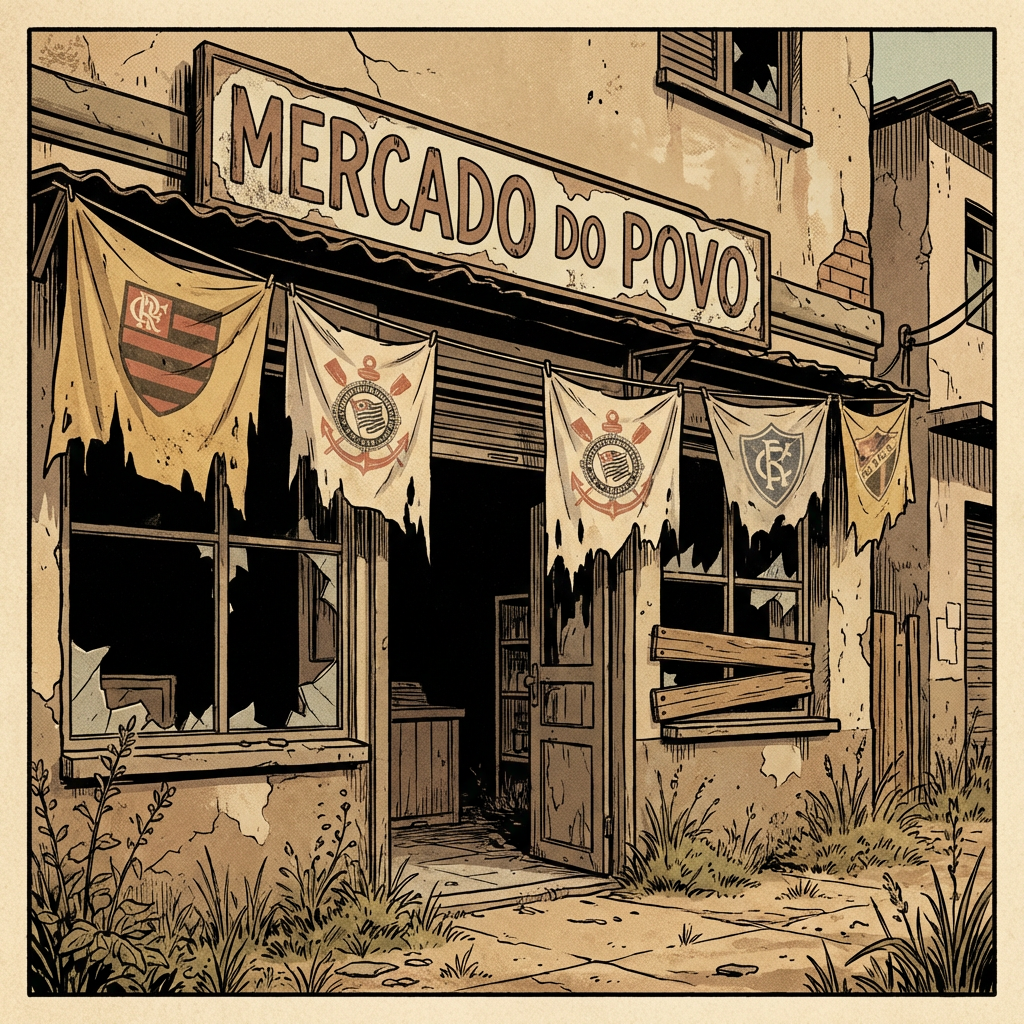
The aftermath was a sobering period of reckoning. Carlos was forced to close two of his five shops, laying off loyal staff. The vibrant storefronts that once pulsed with life became boarded-up eyesores. The relationship with his neighborhood was forever altered; the trust was broken.
> The final whistle blew not on the pitch in Belo Horizonte, but in the streets of Rio weeks later, as a community collectively understood that some wagers cost more than money.
Yet, from the wipeout came hard-earned lessons. Carlos, chastened and wiser, slowly rebuilt. He diversified, moving away from high-risk event-based promotion and focusing on sustainable, low-margin services like bill payments and wire transfers. He learned that a business woven into the fabric of a community cannot afford to gamble with that community’s spirit—or its savings. The Carnival of Cash was a seductive dream, but its collapse taught a universal truth: in business as in football, no victory is ever guaranteed, and true resilience is built for the long game, not just one spectacular season.
Leave a Reply