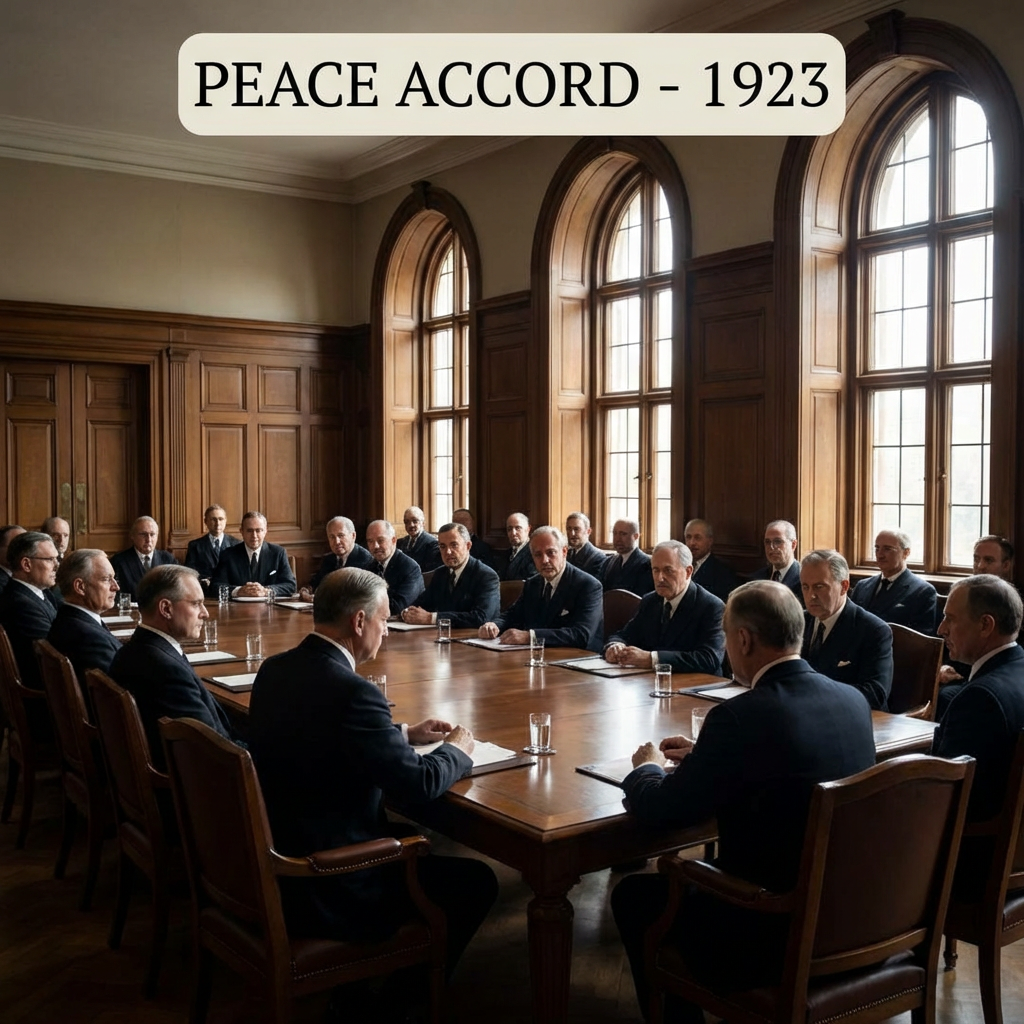
For decades, the grand halls of diplomacy have echoed with complex treaties and weighty ultimatums, often leaving the fundamental drivers of conflict untouched. Then, in a modest conference room overlooking the Seine, a simple, data-backed idea was presented—an idea that would pivot the world’s approach from competing for what’s scarce to celebrating what’s shared.
Paris Peace Summit: Deadlocked on Destiny
The 2025 Paris Peace Summit was envisioned as a historic finale to years of escalating regional tensions and proxy conflicts. World leaders, advisors, and seasoned diplomats gathered, armed with position papers and red lines. The agenda was familiar: resource allocation, territorial disputes, and security guarantees. Yet, by the third day, negotiations had crystallized into an immovable stalemate. Every proposed concession was seen as a loss of sovereignty; every potential agreement was a zero-sum game. The mood in the Palais de Chaillot was one of profound frustration, a sense that humanity was perpetually destined to fracture along the same ancient fault lines of greed and fear.
Key points of the deadlock included:
- Resource Scarcity Mentality: Negotiations were solely focused on dividing finite resources—water, minerals, energy—inevitably creating winners and losers.
- Legacy Grievances: Historical claims and past injustices dominated the dialogue, making forward progress nearly impossible.
- The Security Dilemma: Any nation’s proposal for greater security was instinctively viewed by others as a threat, triggering defensive posturing.
> “We have become experts at carving up the pie,” remarked one weary delegate, “and forgotten we could bake a bigger one together.”
A Young Economist’s Data-Driven Revelation
Enter Dr. Anya Sharma, a soft-spoken behavioral economist invited as part of a next-generation think tank. Observing the cyclical arguments, she requested a short, unscheduled session. Her presentation contained no political maps or weapon counts. Instead, her slides displayed global investment trends, demographic data, and economic projections.
Her central thesis was stark: The global narrative of inevitable conflict is a self-fulfilling prophecy powered by misaligned incentives. She argued that nations, like corporations or sports teams, invest billions in what they measure as valuable. For centuries, the primary measures of national power were territory and military might—investments that inherently breed rivalry.
Her data revealed a critical shift:
- The “Prestige Economy”: Global citizen engagement and national pride were increasingly tied to non-military achievements in science, culture, and yes, athletic excellence.
- The Long-Term Cost of Rivalry: She quantified the staggering opportunity cost of perpetual military preparedness versus investing in human capital.
- A Unified Metric: She proposed that international prestige—a nation’s “soft power score”—could be a more potent and positive measure of success in the 21st century than destructive capacity.
How Sports Investing Can Unite Nations
Dr. Sharma then presented her elegant, unifying mechanism: a voluntary, transparent framework for joint international sports development. The concept was not about the fleeting glory of the Olympic medal table, but about the decade-long collaboration required to build it.
The proposal outlined a system where historical rivals could co-invest in athletic ecosystems, sharing resources for mutual benefit:
- Shared Training Facilities: Arid nations with perfect climates for endurance training could host state-of-the-art facilities funded and used by a coalition of countries.
- Cross-National Athletic Academies: Focused on sports with global appeal, these academies would train young athletes from multiple nations side-by-side, forging lifelong bonds.
- A Global Peace Games: A new, recurring international event specifically for teams formed from multi-national pools of athletes, celebrating cooperation as the ultimate competitive edge.
> “When you fund a soldier, you plan for an opponent. When you fund an athlete, you hope for a competitor. The entire psychological and economic framework is different,” Dr. Sharma explained.
This approach redirects the competitive instinct from destruction to construction, creating shared assets and shared heroes.
A Silent Room and the Weight of Possibility
Following the presentation, the summit’s main chamber fell into a prolonged, contemplative silence. It was not the silence of disagreement, but of cognitive recalibration. Leaders were confronted with a future they hadn’t allowed themselves to imagine: a world where their national success was not intrinsically linked to another’s decline.
The simplicity of the idea was its power. It didn’t require anyone to surrender claims or stand down defenses overnight. It simply offered a parallel track of investment with a higher potential return in global goodwill, economic activity, and national pride. Delegates began to whisper, not about borders, but about potential joint ventures in swim clinics, altitude training centers, and sports medicine research hubs. The very language of the discussion had changed.
Turning From Resources to Rival Athletes
The Paris Summit did not end with a sweeping peace treaty. It concluded with something more foundational: a Framework for Collaborative Prestige. Nations left not with binding concessions, but with Memorandums of Understanding to explore bilateral and multilateral sports development funds. The tide turned from a focus on contested resources to a friendly rivalry in cultivating world-class athletes.
In the years since, the shift has been subtle but significant. Headlines that once chronicled arms deals now also highlight “The Desert Cycling Initiative,” co-funded by four Middle Eastern nations, or the “Himalayan Winter Sports Alliance” between South Asian countries. The world is learning that while it is hard to trust a geopolitical rival, it is easier to cheer for a young footballer or gymnast whose training was made possible by your nation’s partnership.
The simple pitch in Paris succeeded because it reframed the ultimate human endeavor. It suggested that our greatest contest should not be for land or oil, but for a better personal best, a cleaner race, a higher jump—goals that uplift all of humanity in the striving. The path to peace, it seems, isn’t found by silencing our competitive spirit, but by finally giving it a worthy and unifying goal.
Leave a Reply