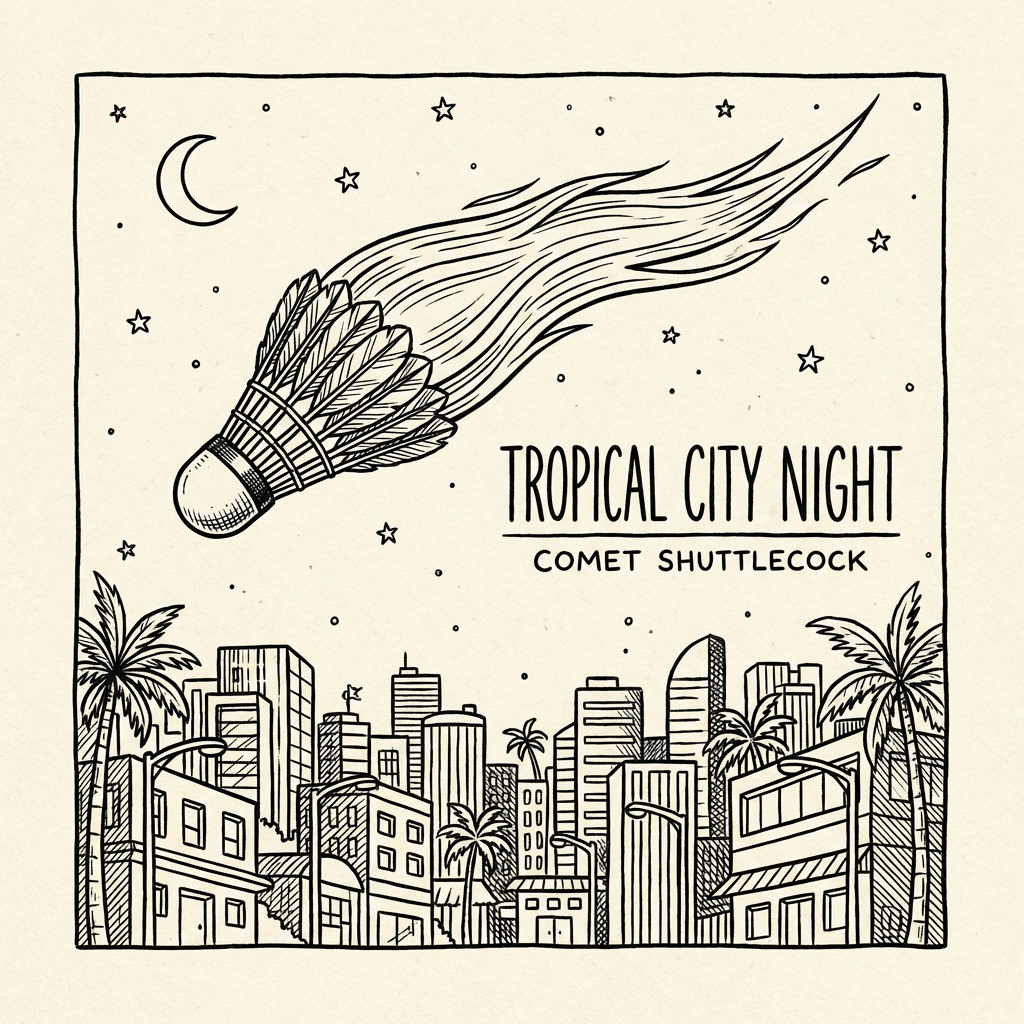
The story of Jakarta is one of relentless ambition and quiet, creeping peril. From its shimmering skyscrapers to its bustling traditional markets, Indonesia’s colossal capital pulses with life. Yet, beneath this vibrant surface, a different narrative unfolds—one of subsidence, flooding, and a complex environmental fight for survival. This duality has often been mirrored in local folklore and contemporary anxieties, imagining a city in dialogue with its own potential demise. In one such powerful modern allegory, the city’s fate is envisioned not by a prophet, but by a game’s most humble instrument, delivering a cryptic message from the deep.
Putri’s Dream: Jakarta Swallowed by Silent Seas
In countless homes across Jakarta, the story begins not with news reports, but with a young girl’s nightmare. Putri, like many children growing up in the city’s northern districts, knows the familiar dread of the annual floods. But her dream is different. She doesn’t see churning, muddy water rushing in from overwhelmed canals. Instead, she envisions a silent, crystalline sea—utterly still and impossibly clear—slowly rising past the fifth floor of her apartment building. The city’s iconic skyscrapers stand not as monuments to progress, but as tombstones in a giant, glassy aquarium. There is no sound of engines or horns, only the mute witness of sunken streets and the quiet dance of fish through silent office corridors. This vision of a peaceful yet absolute absorption captures the most terrifying aspect of Jakarta’s struggle: not a sudden catastrophe, but a gradual, inexorable surrender to water that has lost its roar.
Serpents of Smoke in the Downtown Labyrinth
By daylight, the primary antagonist is visible to all. The city’s traffic is legendary, a ceaseless, choking river of metal. Here, the threat manifests not as water, but as serpents of smoke—endless streams of exhaust coiling from millions of tailpipes. These metallic serpents weave through the downtown labyrinth, a constant, toxic presence.
- They contribute to the city’s notorious air quality index, often ranking among the world’s worst.
- They symbolize the relentless pace and congestion that define daily life, a man-made environmental stressor.
- Along with industrial emissions, they feed into the larger, global challenge of climate change, which intensifies the seasonal storms that batter Java.
This toxic breath from the streets is a persistent, smothering pressure, a daily reminder of the unsustainable systems that fuel the metropolis even as they threaten it.
The Comet-Shuttlecock’s Sudden, Divine Intervention
One evening, as the sun sets behind the haze, a bizarre celestial event interrupts the mundane. From the heavens, a streak of light descends. It is not a meteor, but a glowing, perfectly feathered shuttlecock—the projectile from the traditional Indonesian game of bulu tangkis, or badminton. It pierces the smog layer like a comet, not crashing, but making a gentle, impossible arc before plunging into the rising floodwaters at the heart of the city. Its impact is soundless, but it sends a perfect ring of ripples across the submerged plaza, a signal. The people look on in stunned silence. This object, so familiar from neighborhood courts and family gatherings, has become an otherworldly herald. Its trajectory feels intentional, as if guided by a divine or cosmic player, serving a warning shot from a court far beyond human understanding.
A Spectral Ultimatum from the Sunken City
The morning after the shuttlecock’s fall, a new phenomenon occurs. In the damp, mist-laden air, ghostly projections flicker to life. These are not images of the past, but chilling premonitions of a possible future: a sunken city. The spectral images show a fused reality:
- Seaweed draped over the national monument, Monas.
- Coral colonies blooming from the skeletons of shopping malls.
- Eels slithering through the marbled halls of sunken government buildings.
From these haunting scenes, a collective, voiceless message coalesces in the minds of the onlookers. It is an ultimatum, clear and direct:
> The choice is not between progress and the past. It is between a future you build with wisdom, or a future the ocean builds upon your ruins. The shuttlecock is our serve. Your return is not guaranteed.
This message reframes the crisis. The environment is not a passive victim but an active, responding opponent in a high-stakes game.
Why Investing in Champions Is Our Only Defense
The allegory’s conclusion points not to despair, but to a strategic pivot. The solution lies not in blanket, impersonal policies alone, but in identifying and empowering human ingenuity. The “champions” in this context are multifaceted:
- The Engineer Champion: Innovators developing permeable pavements, revolutionary water pumps, and smart aquifer recharge systems.
- The Community Champion: Local leaders in North Jakarta organizing neighborhood waste management to keep drainage clear, and preserving mangrove forests as natural barriers.
- The Policy Champion: Visionary planners committed to transit-oriented development and enforcing green building codes.
- The Cultural Champion: Artists and storytellers, like the creator of this very allegory, who reshape the public narrative from one of inevitable doom to one of urgent, winnable contest.
> Just as in a championship badminton match, victory against subsidence and flooding requires precision, agility, and unwavering focus on the long rally ahead. We must back our star players.
Funding, political will, and public support must flow to these champions. The dream of the silent sea and the vision of the sunken city are powerful warnings, but they are not prophecies. They are the opening serves in a match for Jakarta’s survival. The city’s return—a powerful, strategic slam that secures a sustainable future—is still possible, but only if we invest in the team that can deliver it.
In the end, “Jakarta’s Dream: A Shuttlecock’s Warning from the Deep” is more than a story. It is a cultural call to action, urging the city to see its environmental battle as the defining game of its existence. The shuttlecock has landed in our court. Now, we must decide how to return it.
Leave a Reply