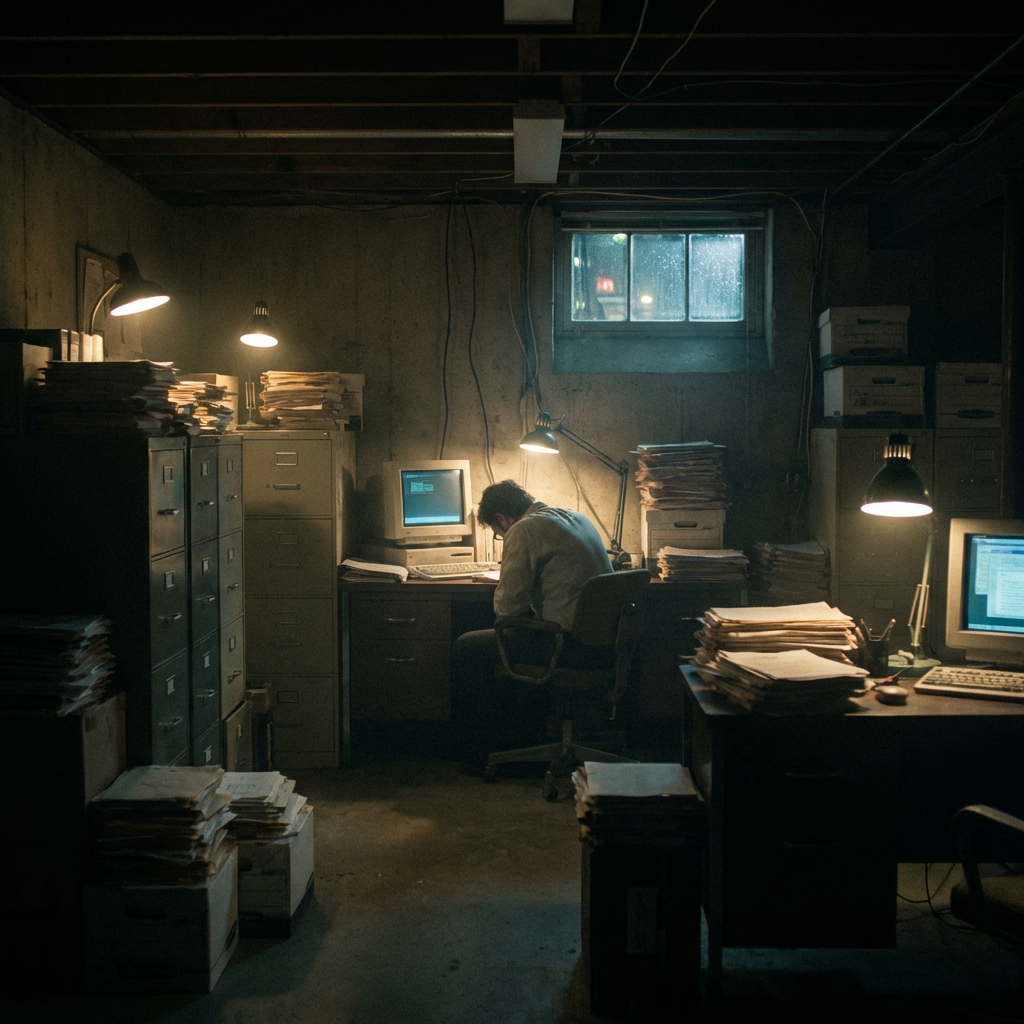
I never intended to become Iceland’s whistleblower. In a nation praised for its pristine landscapes, dramatic geysers, and fierce independence, we rarely turn a critical eye inward on the social fractures widening beneath our feet. My work was bureaucratic, centered on the minutiae of tourism permits and land use reports. It was in that mundane world of official documents that I first saw the shadow. This is an account of my silent exile for exposing Iceland’s hidden betting crisis—a truth many prefer buried beneath the volcanic rock.
The Discovery in a Tourism Permit Memo
My role involved reviewing permit applications for new businesses, ensuring they complied with zoning laws and local regulations. One day, a routine application for a modest “entertainment lounge” in a small coastal town caught my eye. The financials seemed oddly inflated for the proposed scale.
- The Lead: Cross-referencing the applicant’s name led me to a labyrinth of shell companies.
- The Pattern: Each was linked to licenses for gaming machines, often tucked into gas stations, convenience stores, and even family-friendly tourist centers.
- The Memo: Buried in an inter-departmental memo was a throwaway line: “…permit expedited under economic development initiative for rural areas, aligns with tourism and leisure growth metrics…”
This wasn’t about leisure. I began to dig, and the paperwork revealed a deliberate, systemic embedding of electronic betting terminals in everyday life, masquerading as benign economic stimulus.
> “The most effective cages are not made of bars, but of normalcy. When a harmful activity is woven into the fabric of daily errands, it becomes invisible.”
A Hidden Crisis Draining Icelandic Families
Beyond the spreadsheets, a human tragedy was unfolding. I spoke discreetly to social workers, debt counsellors, and pastors in communities outside Reykjavík. The picture they painted was stark:
- Access Over Ethics: Machines were available in locations where traditional casinos would never be permitted, operating long hours with minimal oversight.
- The Debt Spiral: Stories emerged of fishermen, tradespeople, and young adults losing entire paychecks in minutes, then turning to high-interest loans to hide their shame from families.
- The Social Cost: This wasn’t just individual loss. It was community decay—savings for children’s education spent, small family businesses failing as disposable income vanished into the machines.
The crisis was hidden by Iceland’s image of prosperity and by the sheer, quiet desperation of its victims. Financial shame is a powerful silencer.
Whistleblowing from a Windowless Basement
Armed with data and anonymized case studies, I prepared a report. I had no press contacts, no platform. My “office” became a windowless basement storage room after hours, where I compiled findings away from network monitors.
My strategy was simple, perhaps naive:
- Document Everything: I created a primary file with evidence and a separate, encrypted log of my process.
- Anonymize Sources: All personal stories were stripped of identifying details.
- Target Selective Outreach: I sent the report to three entities: a key parliamentary committee chair, the national audit office, and a single journalist known for long-form investigative work.
I used encrypted channels and public Wi-Fi. The report’s title was blunt: “The Slot in the Shop: How Betting Machines Are Undermining Iceland’s Social Fabric.”
Silenced for Exposing the Betting Truth
The reaction was not public outrage—not at first. The silence was the first weapon.
- Professional Isolation: Within days of the report’s leakage, I was reassigned to a “special archival project” with no clear objectives or end date. My access to current permits and databases was revoked.
- The Narrative Shift: Internal whispers labeled me as “unstable,” “overly emotional,” and “misinterpreting economic data.” The focus became my breach of protocol, not the crisis I exposed.
- Stalled Momentum: The official inquiries I had petitioned were suddenly delayed, awaiting “further review.” The journalist faced legal threats from corporate entities tied to the machine operators.
The message was clear: The truth was an inconvenience. The system would protect itself by dismantling the messenger.
My Exile After Revealing Iceland’s Secret
I am in exile, though I never left the country. It is a silent, professional, and social exile.
- Career Ended: My public sector career is over. I am unemployable in my field, blacklisted by implication.
- Social Frost: Old colleagues avoid me. In a small society, being labeled a “troublemaker” carries a profound chill.
- The Personal Toll: The stress has taken its toll on my health and personal relationships. The battle moved from exposing facts to preserving my own sanity.
Yet, this quiet exile is not without purpose. The story, once seeded, could not be fully erased. Other researchers and reporters, using my report as a map, have begun their own investigations. The term “hidden betting crisis” is now occasionally uttered in Alþingi, our parliament.
> Exile is not just a punishment; it can be a vantage point. From here, I see not my own end, but the beginning of a necessary, uncomfortable national conversation.
Conclusion
Iceland’s bet is that silence will outlast scandal. That the allure of easy tax revenue and the sheen of tourism will continue to obscure the machines draining hope from our towns. My exile is the price for disrupting that bet. I spoke not of a foreign threat, but of a domestic compromise—a choice to trade community well-being for discrete profit. The hidden crisis remains, but it is slightly less hidden now. And sometimes, that is the only victory a whistleblower can hope for: to turn a secret into a question that an entire nation must, eventually, answer.
Leave a Reply