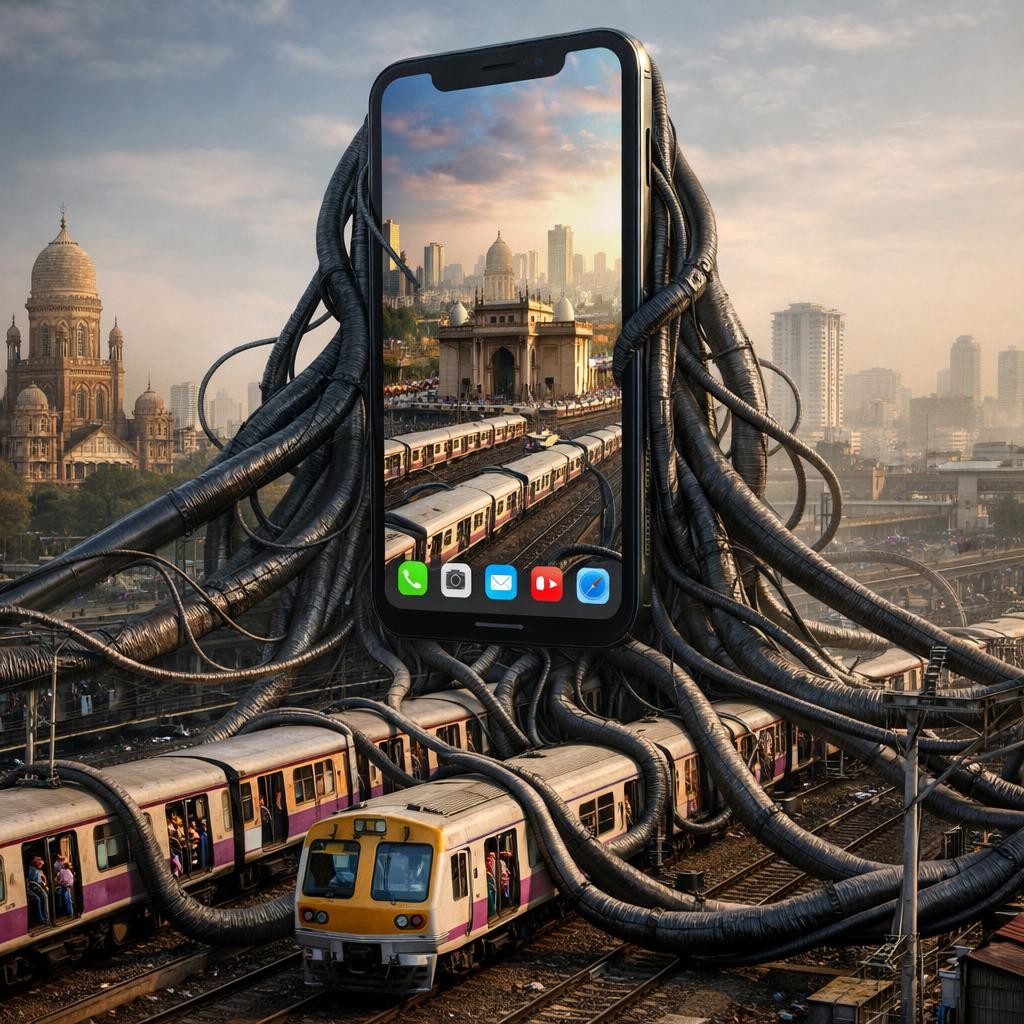
Mumbai, the city that famously never sleeps, now finds itself in a silent, digital battle on its teeming transit arteries. Its workforce, a resilient legion known for overcoming floods and delays, is facing a new kind of disruption—one that doesn’t stem from infrastructural collapse but from the siren call of smartphone screens. Betting apps, and the broader landscape of micro-gambling and online rummy, have launched an insidious siege on the commute, transforming trains and platforms from spaces of transit into arenas of chance. This digital wave is not just a distraction; it’s actively hijacking attention, diluting productivity, and injecting a volatile layer of financial and social risk into the city’s daily rhythm.
An Unstoppable Chokehold on Mumbai’s Daily Commute
The local train network is Mumbai’s lifeline, a circulatory system that pumps millions to work and back each day. This captive audience, crammed into compartments or waiting on platforms, represents a perfect storm for digital engagement: idle time, boredom, and high-speed mobile connectivity. Enter betting apps, with their promise of instant gratification, potential windfalls, and a thrilling escape from the monotony of the commute. They are not just present; they have achieved saturation. Screens flicker with card tables and live match odds, creating a pervasive atmosphere of casual gambling that has become normalized. For many, the ritual of compounding a local transit pass now runs parallel to the urge to open their favorite betting platform.
The chokehold is psychological. Aligned with train schedules and match timings, these apps create a forced cycle of engagement, where commute time equals betting time. This shift has turned a fundamental urban necessity into a behavioral trap.
Matches vs. Rush Hour: A Battle for Attention
This new urban ritual pits real-world schedules against digital ones, creating a clash of priorities.
- The office clock is in constant competition with match start times. Does one focus on preparing for the day’s first meeting, or on placing a live bet before the first cricket over is bowled?
- Congestion delays at stations are no longer a source of pure frustration. For the enmeshed user, an extra 15 minutes becomes an opportunity for “just one more hand” of rummy or a last-minute wager, further detaching them from the physical reality of their commute.
- The shared, collective purpose of the commute—moving from point A to B—fragments into thousands of individual, high-stakes digital pursuits, eroding the shared experience of the city.
Commodified Focus Derails Trains and Timetables
The most tangible consequence of this hijacked attention is what occurs on the platform and beyond. Derailed decision-making becomes a public safety hazard.
- Instances of commuters missing their stops because they were engrossed in a game’s final moments are no longer isolated anecdotes.
- The mad rush at stations is compounded by people slowing down or stopping abruptly to finalize a transaction on their phone.
- Where once trains buzzed with conversations, book pages turning, or quiet contemplation, the new soundscape is punctuated by the synthetic chimes of game wins and the groans of losses.
> Important Tip: If you find yourself habitually opening a betting app the moment you board a train, try a conscious substitution: switch to a podcast, an audiobook, or even a simple puzzle game without monetary stakes. The goal is to break the automatic association between commute and gambling.
From Platform to Parlor: The Betting App Obsession
For many, the platform game is merely a warm-up. The apps are engineered to hook users with their seamless experience and enticing bonuses, making the transition from distraction to obsession dangerously fluid. By the time one reaches the office or home, the user’s mindset is already primed. What began as a way to “kill time” on the train evolves into a continuous engagement, blurring the lines between leisure, work, and compulsive behavior.
- Small initial bets, validated by early minor wins, can gradually scale up.
- Micro-gambling at frequent intervals normalizes the act of betting money as a part of daily downtime.
- The journey’s end no longer brings relief from the habit; it simply shifts the activity to a new venue, with psychological investment already secured.
When Stakes Rise, Public Productivity Evaporates
The ultimate cost of this transit-time gambling epidemic is paid not just by individuals but by the city’s collective economic health and social well-being. When a significant portion of the commuting workforce is preoccupied with gambling apps, the city’s famed human capital is undercut.
- Mental energy spent calculating odds is mental energy diverted from professional planning and creative thinking.
- Financial losses incurred during the commute can cause stress, anxiety, and distraction that carry over into the workplace, diminishing concentration and output.
- The normalization of this behavior among peers creates a social pressure that can pull others into the vortex, multiplying the problem.
The city’s frantic pace once symbolized ambition and efficiency. There is a cruel irony that this same captive transit time is now being monetized and exploited by betting platforms, seeding distraction and potential financial peril among those who drive Mumbai forward.
Mumbai’s transit system, a marvel of human endurance, is being weaponized against the very commuters it serves. Betting apps, by capitalizing on idle minutes and high-pressure environments, are derailing more than just individual attention spans—they are introducing systemic friction into the city’s daily flow. The battle is for cognitive real estate; and when the stakes are public safety, financial stability, and productive energy, it’s a battle the city cannot afford to lose. Addressing this requires more than individual willpower—it demands a public reckoning with how digital temptations are reshaping foundational urban behaviors and chipping away at the resilience Mumbai is known for.
Leave a Reply