Contents
- Introduction: The Rise of the Synthetic Arena
- How AI Generates Entire Sports Ecosystems
- The Illusion of Engagement: Why Fans Are Drawn to Fake Sports
- The Dark Side: Gambling Addiction in a Synthetic World
- Real Athletes, Real Value: Why Human Sports Matter
- Investing in Reality: A Human-Anchored Alternative
- Conclusion: Reclaiming the Real Game
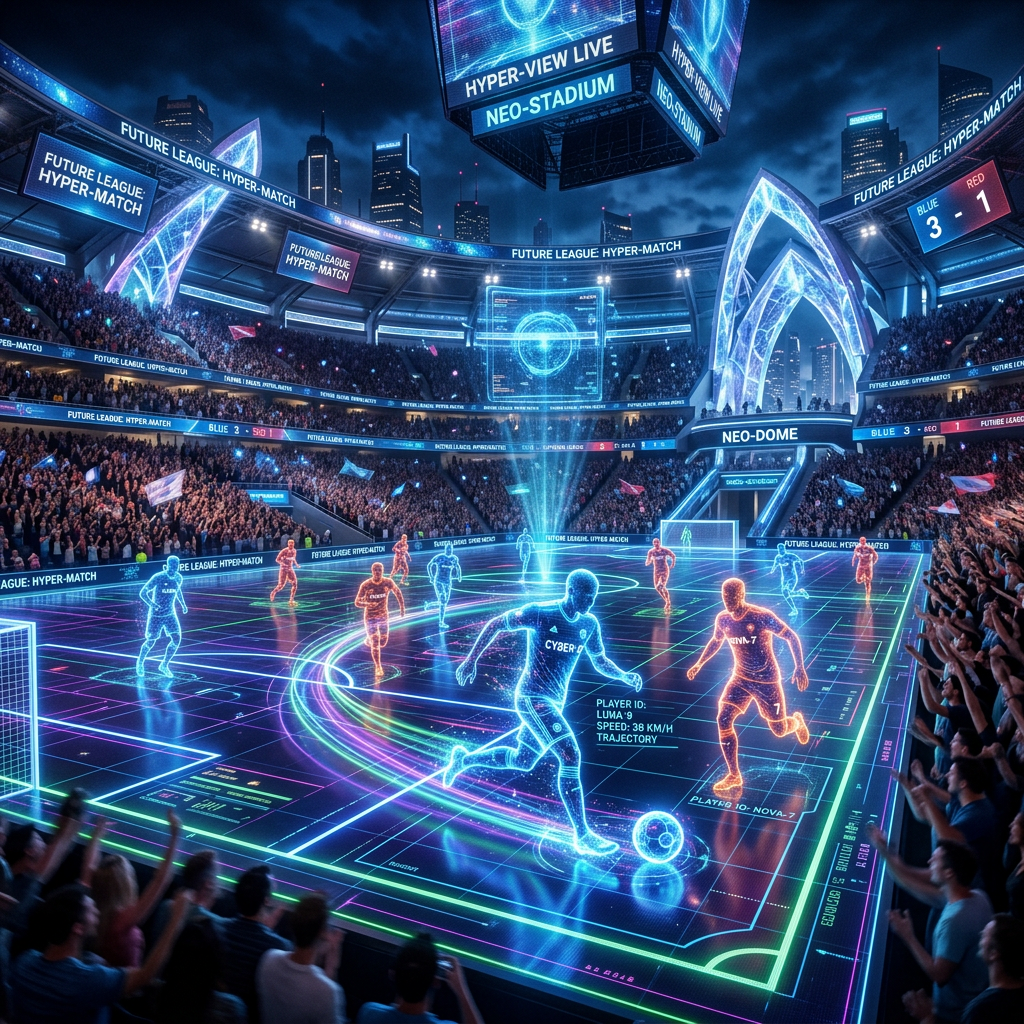
Imagine a football league where every player is a digital phantom, every game is scripted by code, and every statistic is optimized to keep you glued to the screen. This is not a video game—it’s a growing phenomenon known as AI sports simulation. With platforms like the AI Sports Network drawing over 100,000 viewers to their fake leagues, the line between real athleticism and algorithmic entertainment is blurring. But at what cost? As synthetic sports rise, they threaten to replace real athletes, distort fan identity, and create a new frontier of gambling addiction. It’s time to see through the mirage and reclaim the authentic sports experience.
Introduction: The Rise of the Synthetic Arena
The AI Sports Network’s fake football league is a case in point: it features AI-generated athletes with realistic stats, game narratives, and league standings. Viewers tune in by the thousands, unaware—or uncaring—that the sweat and tears are simulated. This is the new face of sports entertainment: algorithmic sports that prioritize engagement over authenticity. But as these synthetic sports gain traction, they erode the very foundation of what makes sports meaningful: real human effort, unpredictability, and community. This article exposes the hidden dangers of AI sports simulations and offers a human-centered alternative.
How AI Generates Entire Sports Ecosystems
Behind every AI sports simulation lies sophisticated technology. Machine learning models ingest vast datasets from real sports—player performance, team strategies, historical outcomes—to generate realistic but entirely synthetic content. These systems can create AI-generated athletes with unique attributes, simulate entire seasons, and even produce highlight reels that mimic real broadcasts. Platforms like ‘AI Sports Network’ use generative adversarial networks (GANs) to produce lifelike player models and commentary. The result is a seamless illusion that feels authentic but is entirely manufactured.
The technology is not just about visuals; it extends to outcome prediction. Algorithms calculate probabilities for every play, ensuring that games remain competitive and engaging. This sports simulation technology is so advanced that it can mimic the drama of a last-minute touchdown or a buzzer-beater. But while it may entertain, it lacks the soul of real competition.
The Illusion of Engagement: Why Fans Are Drawn to Fake Sports
Why are fans flocking to synthetic sports? The answer lies in psychology. AI sports simulations offer a sense of control and predictability that real sports cannot. Fans can customize leagues, tweak player attributes, and even influence outcomes—all within a dopamine-driven engagement loop. Research shows that these platforms exploit the brain’s reward system, releasing dopamine with every simulated victory or near-miss. This creates a cycle of addiction that real sports, with their inherent unpredictability, rarely achieve.
Moreover, synthetic sports provide an escape from the emotional rollercoaster of real fandom. There is no heartbreak over a star player’s injury or frustration over a referee’s call. But this sanitized experience comes at a cost: it distorts fan identity. Fans who invest emotionally in fake leagues may find themselves disconnected from the real athletes and communities that give sports their meaning.
The Dark Side: Gambling Addiction in a Synthetic World
Perhaps the most insidious aspect of AI sports simulations is their role in fueling sports gambling addiction. Because these leagues are unregulated, they become a playground for AI betting. Fans can wager on simulated games with real money, often without the safeguards that exist in traditional sports betting. The outcomes are algorithmically determined, yet gamblers believe they can beat the system.
Consider the case of a fan who lost $10,000 betting on simulated games. He thought he had found an edge by studying the AI’s patterns, but the house always wins. Synthetic sports gambling is particularly dangerous because it lacks the natural breaks of real sports seasons—games can be generated 24/7, creating a non-stop gambling environment. This has led to a surge in addiction, with devastating consequences for individuals and families.
Warning: The Hidden Cost of Synthetic Betting
Unlike traditional sports betting, AI-generated games have no regulatory oversight. The odds are controlled by algorithms, and there is no guarantee of fairness. If you or someone you know is struggling with gambling addiction, seek help immediately.
Real Athletes, Real Value: Why Human Sports Matter
Amid the rise of synthetic sports, it’s easy to forget the irreplaceable value of real athletes. Human sports are defined by unpredictability, resilience, and the emotional connection between players and fans. Stories like a rookie overcoming injury to win a championship or a team rallying after a tragedy cannot be scripted by an algorithm. These moments create a shared experience that strengthens communities and inspires generations.
Moreover, real sports have a tangible economic impact. They support jobs, local businesses, and entire industries. When fans shift their attention to fake leagues, they divert revenue away from real athletes and organizations. The authentic sports experience is not just about entertainment; it’s about preserving a cultural institution that has brought people together for centuries.
Investing in Reality: A Human-Anchored Alternative
So, how can fans and investors protect the integrity of sports while still engaging with the excitement of competition? The answer lies in human-anchored investing. Platforms like ‘RealSport Invest’ allow individuals to invest directly in real sports assets—such as athlete contracts, team shares, or league revenue streams. This approach not only provides financial returns but also supports the athletes and organizations that make sports authentic.
Unlike synthetic sports, which are designed for short-term engagement, human-anchored investing builds long-term value. It fosters a sense of ownership and community, aligning financial incentives with the health of real sports. By choosing to invest in reality, fans can help ensure that the future of sports remains human-centered.
| Feature | Synthetic Sports | Human-Anchored Investing |
|---|---|---|
| Engagement | Algorithmic, short-term dopamine loops | Authentic, long-term community building |
| Value | Fake assets, no real-world impact | Real assets, supports athletes and leagues |
| Risk | Unregulated, gambling addiction | Transparent, regulated investments |
| Outcome | Distorted fan identity | Strengthened fan connection |
Conclusion: Reclaiming the Real Game
The AI sports mirage is seductive, but it threatens to replace the very essence of sports with a hollow imitation. As algorithms generate fake leagues and AI-generated athletes, we risk losing the unpredictability, emotion, and community that make sports meaningful. The rise of synthetic sports gambling only compounds the danger, trapping fans in cycles of addiction.
But there is a way forward. By embracing human-anchored investing and supporting real athletes, we can preserve the authentic sports experience for future generations. The choice is ours: we can continue to chase the algorithmic illusion, or we can reclaim the real game. The future of sports depends on it.
Leave a Reply