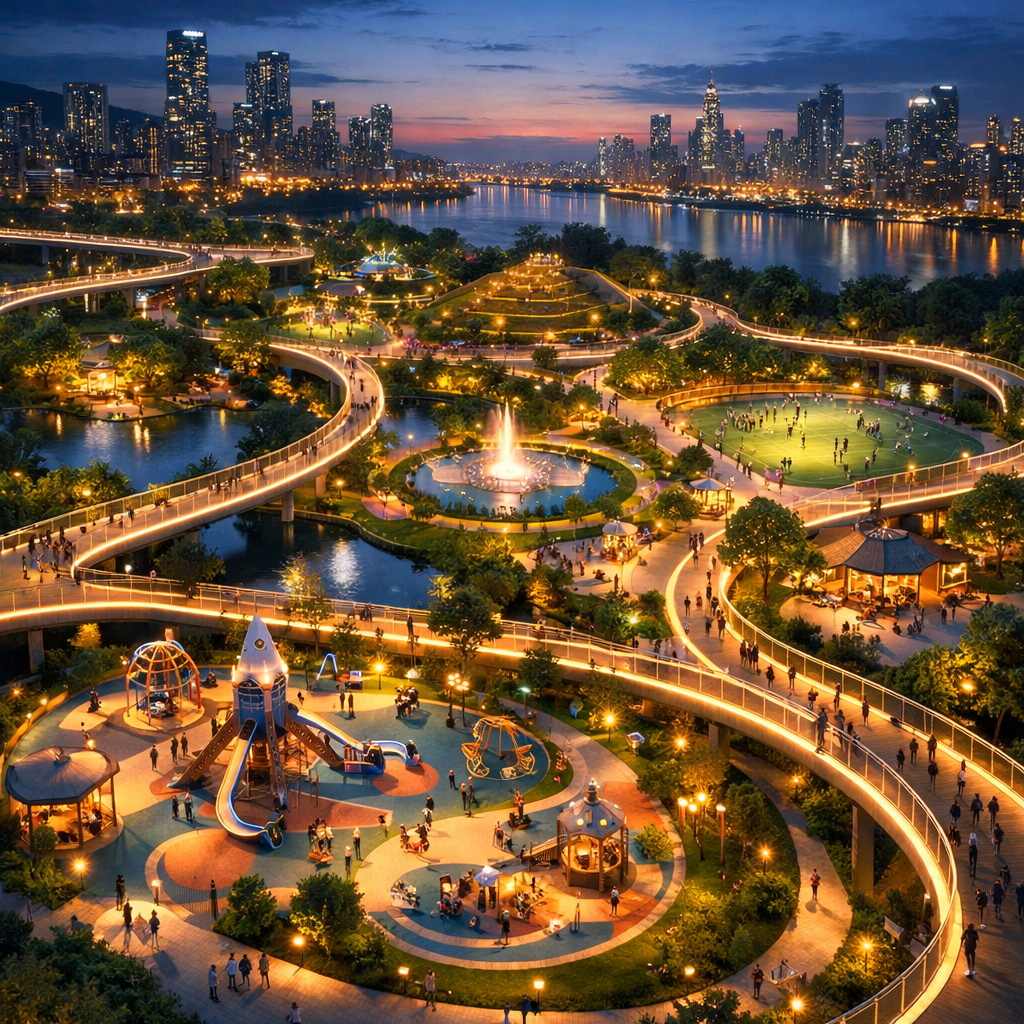
In our digital-first century, connection has become a paradox. We are, on paper, more connected than any society in history, plugged into global networks and virtual communities. Yet, a pervasive sense of isolation and social fragmentation grows. This chasm isn’t just emotional; it’s becoming physical, cultural, and economic. It’s time for a fundamental re-investment—not in another disruptive app or virtual platform—but in the most ancient and proven technology for building trust, empathy, and vitality: play. Investing in play means deliberately channeling resources, time, and intention into creating spaces and opportunities for unstructured, physical, human interaction. This is not a frivolous pursuit. It is an urgent strategy for rebuilding the fabric of our communities, our physical health, and our shared sense of humanity.
The High Price of Our Disconnected World
The symptoms of our disconnection are well-documented but worth recounting to understand the stakes. We are living through what some sociologists call a “friendship recession” and a public health crisis of loneliness. The economic and social costs are staggering.
- The Loneliness Epidemic: Studies consistently show rising rates of reported loneliness, which is linked to a 25-30% increased risk of cardiovascular disease and stroke, not to mention its severe impact on mental health.
- Erosion of Social Trust: The casual, daily interactions that build “bridging social capital”—trust between acquaintances and different community groups—have dwindled. We transact online but commune less in person.
- The Physical Cost of a Sedentary Life: Our screen-centric lives contribute to a host of physical ailments, from musculoskeletal issues to metabolic diseases, creating immense strain on healthcare systems.
- The Performance Trap: From childhood, our leisure has become increasingly optimized and goal-oriented (think travel sports, quantified fitness). Spontaneous, non-competitive interaction is often sidelined, turning potential joy into another source of pressure.
> The antidote to isolation isn’t just more connection; it’s the right kind of connection—the embodied, co-present, and cooperative kind that play uniquely fosters.
More Than a Game: Rebuilding Community Ties
Play is the original social networking protocol. It operates on rules of engagement that are fundamentally different from transactional or performance-based interactions. When we play together—whether in a pickup basketball game, a community garden, or an improvised block party—we engage in a shared enterprise of fun. This simple framework is revolutionary.
- It Levels the Playing Field: Titles, job descriptions, and social status often melt away on a field or in a creative workshop. You are judged by your participation and sportsmanship, not your LinkedIn profile.
- It Fosters Spontaneous Cooperation: Play requires reading social cues, negotiating rules, and working toward a common, if ephemeral, goal. These are the micro-skills of a functional community.
- It Creates Third Places: Sociologist Ray Oldenburg’s concept of “third places” (not home, not work) is vital. Parks, recreation centers, playgrounds, and pubs where games happen are the physical infrastructure of community. Investing in play means investing in building and maintaining these crucial, accessible spaces.
Investing in People, Not Just Performance
A major shift in mindset is required. Our cultural and financial investments in recreation have become skewed toward elite performance and spectatorism. We fund massive stadiums for professional athletes and travel teams for children, often overlooking the simple, accessible play infrastructure for everyone else.
True investment in play means prioritizing participatory culture over spectator culture. This includes:
- Municipal Funding: Directing public funds toward maintaining local parks, public pools, community centers, and creating multi-generational play spaces that invite interaction across ages.
- Corporate Responsibility: Companies can sponsor local leagues, create game nights, or design workplaces with spaces for casual interaction and play, understanding that social cohesion boosts innovation and resilience.
- Community Initiatives: Supporting neighborhood tool libraries, block parties, or “play streets” where roads are temporarily closed for recreation reaffirms the street as a site of community, not just transit.
> Think of it as social infrastructure funding. Just as we invest in bridges and broadband, we must invest in the experiences that connect us human to human.
From Screens to Fields: A Physical Renaissance
The digital world offers connection, but it is a disembodied one. Play brings us back into our bodies and our physical environment. This physical renaissance is critical for holistic well-being.
- Tactile Learning & Problem-Solving: Building a fort, navigating a hiking trail, or dancing in a group requires a synthesis of sensory input and motor response that screens cannot replicate.
- Risk and Resilience: Appropriate, managed risk in physical play (climbing a tree, learning to fall) teaches resilience, self-assessment, and grit in a tangible way.
- The Joy of Movement: Rediscovering movement for its own sake—for the feeling of wind while running, the satisfying thwack of a tennis ball, the shared exhaustion after a game—reconnects us to the innate joy of being physical beings.
This isn’t a call to abandon technology, but to re-balance our lives. It’s about creating irresistible, real-world alternatives that meet our deep-seated needs for touch, shared laughter, and kinetic joy.
Play as the Cornerstone of Human Culture
Throughout history, play has been the laboratory of culture. Rituals, festivals, sports, and arts all have their roots in play. They are how we practice social bonds, explore collective identity, and experience collective effervescence—the thrill of shared emotion and purpose. To deemphasize play is to erode a cornerstone of what makes us human.
Investing in play is an investment in social antibodies against polarization, in public health, and in plain, old-fashioned happiness. It requires seeing the weekend soccer match, the city park chess tables, and the community dance class not as peripheral luxuries, but as central to our civic and personal health.
The path forward is clear. We must consciously choose to build, fund, and participate in the playful, physical, and communal. We must champion policies that create spaces for it, business models that support it, and personal habits that prioritize it. In a world expertly engineered to capture our individual attention, rebuilding our physical, human connections through play may be the most radical and necessary investment we can make. Let’s get started.
Leave a Reply