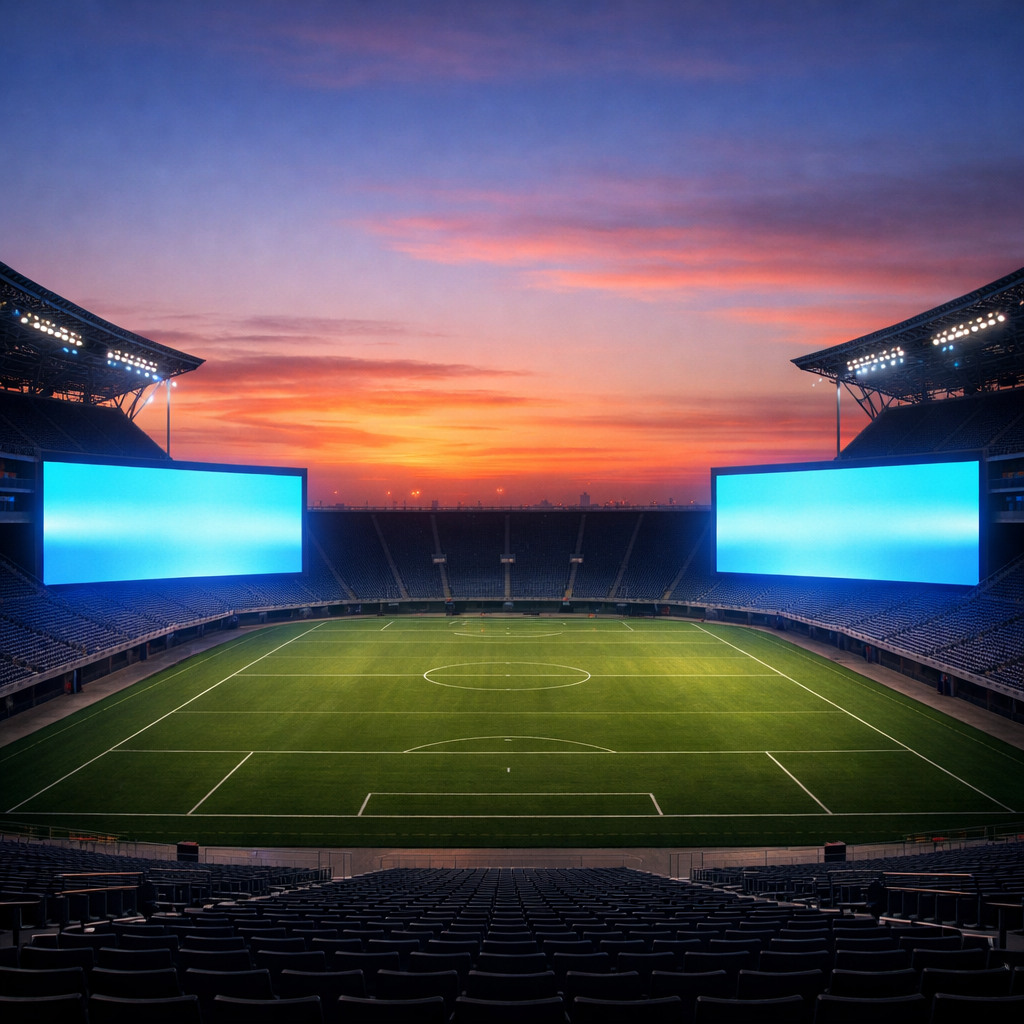
Modern sport can sometimes feel like an algorithm. Its beats are predicted by spreadsheets, its emotions packaged for global broadcast, its narratives pre-written. But recently, in the chaotic, breathing heart of Mexico City, I saw a glimpse of a truer version—the defiant, beating heart of the thing itself, still alive, still fighting back.
A Cold Digital Dawn Descends Upon Azteca Stadium
The Estadio Azteca is a temple of the gods, both earthly and heavenly. It’s where Pelé and Maradona ascended, and where the roar of a hundred thousand souls can feel like a tectonic event. But on this visit, a new presence was palpable. It wasn’t in the stands, but on every other phone screen I saw. Performance analytics flickered beside live-action replays. Live betting odds updated in real-time next to fans desperately sharing shaky videos. A disconcerting quiet fell during lulls in play, replaced by the frantic tapping of screens as people engaged with a parallel, digital match of data and probability.
For many, sport had become a two-screen experience: one eye on the physical struggle before them, the other on the virtual metrics and financial stakes on their palms. The sacred union of fan, player, and moment was being mediated—and often fractured—by a layer of binary code.
When Algorithms Chanted But Fans Remained Silent
This digital overlay created bizarre new rituals. I heard more passionate debates about Expected Goals (xG) than about a player’s visible heart. People around me seemed to celebrate a successful algorithmic prediction—a correct bet on the number of corners—with the same fervor as a last-minute equalizer. The experience was becoming gamified and commodified, where the drama was not just on the pitch but in the personal profit-and-loss statement scrolling on a device.
The most haunting symptom was the silence. Not a true silence, but a distracted hush. The kind where a thousand people are present but mentally elsewhere, connected to a global data stream but disconnected from the person sweating and striving twenty yards away. The collective breath, the shared gasp, the synchronized curse—these were being jeopardized.
The Goal That Silenced Every Screen
And then it happened. It wasn’t a championship-winning goal. It was sloppy, born of a defensive error in the 78th minute. A young local striker, all frantic limbs and pure desire, pounced. The ball trickled, agonizingly, over the line. For one seismic second, nothing happened.
Then, the dam broke.
A roar erupted that was primal and unfiltered. It wasn’t data. It was pure, animal joy. In my periphery, I saw a beautiful thing: phones, raised to record, were suddenly dropped or waved chaotically in the air. Screens went dark, forgotten. For the next five minutes of pure pandemonium, the digital layer evaporated. Ten thousand individuals became a single, pulsing organism, celebrating not a statistical probability met, but a human moment achieved. In that eruption, the soul of sport declared itself. It was a palpable rebellion against the quiet alienation of the algorithm.
The Church of Shared Ecstasy, Fully Awake
This is what we risk outsourcing to machines and markets: the communal catharsis that only live, unmediated sport can provide. The Azteca, in that moment, transformed. It was no longer an arena hosting a content product. It became a church—a church of shared ecstasy.
- The shared hope that tenses seventy thousand shoulders at once.
- The shared despair that manifests as a collective groan rising to the sky.
- The shared redemption found in an unexpected goal, uniting strangers in hugs and high-fives.
These are non-transferable experiences. They cannot be digitized, tokenized, or folded into a betting slip. They are the residue of authentic presence, and in Mexico City, I felt its power surge back, washing away the cold digital dawn, if only for a glorious half-hour.
How to Redeem Sport from Binary Betting Sheets
Witnessing this fightback was a call to action, not for leagues or broadcasters, but for us—the fans. To be a custodian of the soul of sport is a conscious choice. Here is how we can reclaim it:
- Practice Digital Fasting: For one half, or even one crucial quarter of the game, lock your phone away. Be present only in the flesh-and-blood reality of the event.
- Seek the Human Story, Not the Data Point: After the game, talk about the player’s exhaustion, the coach’s gamble, the feeling in the crowd—not just the possession percentage.
- Vote With Your Attention: Engage most deeply with the parts of the game that are about human triumph and tragedy, not statistical outcomes. Your focus is your currency.
- Celebrate the Unquantifiable: Applaud the show of grit, the sportsmanship, the raw emotion. These are the elements that algorithms fail to capture and commodify.
- Remember the “We”: Make an effort to connect with those around you at an event. That shared experience is the bedrock of fandom.
> “Sport’s most vital statistic is not found on a spreadsheet, but in the number of hearts beating in unison, feeling the same hope, the same anguish, the same impossible joy.”
The takeover is not complete. In the dusty pitches of the suburbs, in the deafening bowls of ancient stadiums, the soul of sport is a resilient force. It’s in the mud, the sweat, the sudden, deafening silence before a penalty, and the explosion after. It’s fighting back. And as I learned in Mexico City, its most powerful weapon is our own willingness to look up from the screen, to feel the collective pulse, and to lose ourselves, completely and authentically, in the beautiful, unscripted, human game.
Leave a Reply