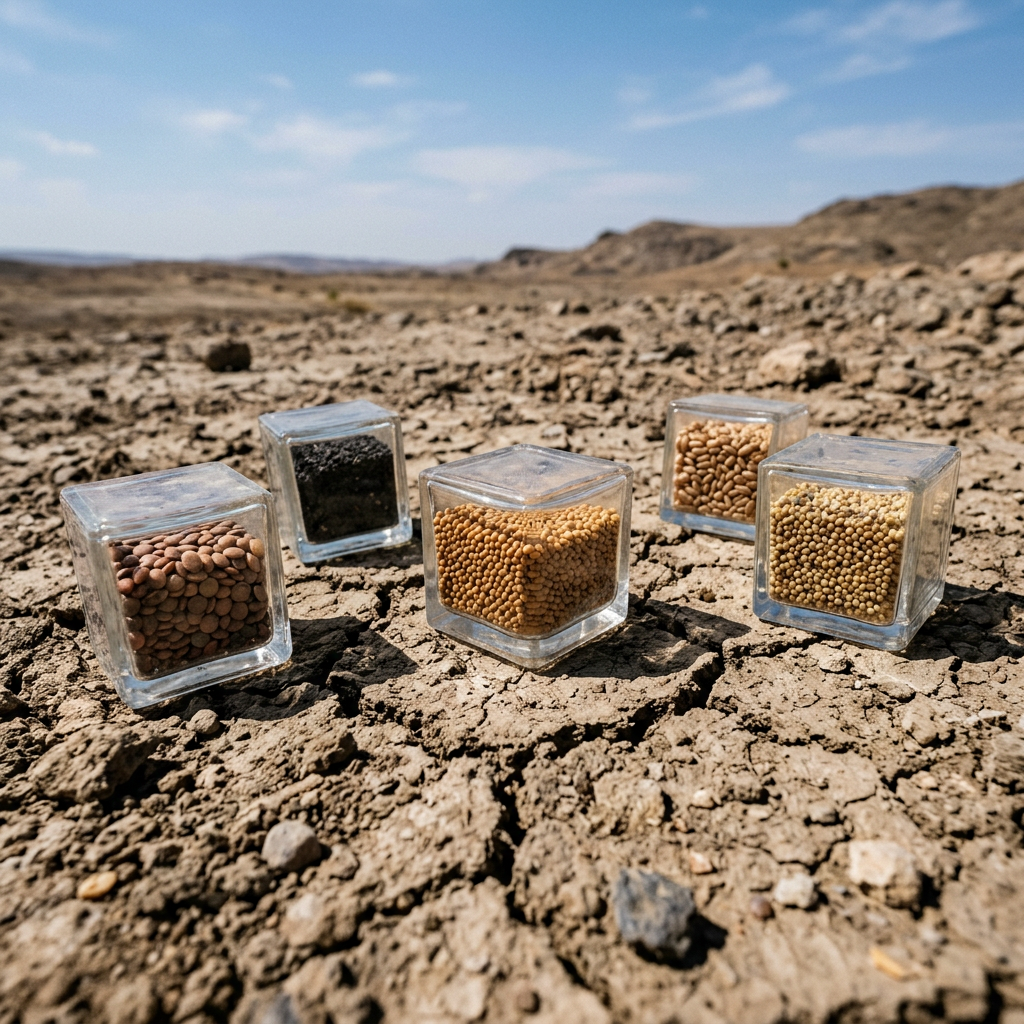
In the bustling heart of East Africa, a city pulses with ambition and despair in equal measure. Nairobi, a symbol of rapid growth and entrenched inequality, stands at a crossroads. The vision of “Nairobi 2028” is often painted in glossy brochures of technological hubs and gleaming infrastructure. But a darker, more disturbing counter-narrative is emerging from the shadows of its sprawling informal settlements and contested farmlands. It’s a story not of harvest, but of deliberate barrenness—a future where the seeds of progress are sown with salt, guaranteeing that the rivers of tomorrow will run deliberately bitter. This is the legacy of systemic betrayal, engineered scarcity, and a justice system turned weapon.
The WORMWOOT Betrayal: Seeding Future Famine
The term WORMWOOT has emerged from activist circles as a chilling acronym: Weaponized Ownership and Resource Management With Oppressive Outcomes Tactics. It describes a modern, sophisticated form of asset stripping and environmental sabotage, disguised as development or financial innovation. In the context of Nairobi 2028, WORMWOOT isn’t a sudden disaster; it’s a slow, calculated process.
At its core, this betrayal involves several key mechanisms:
- Algorithmic Land Grabs: Using opaque digital platforms and murky public-private partnerships, community-held lands on the city’s crucial food-producing periphery are reclassified, not by bulldozers, but by lines of code. Small-scale farmers receive notifications, not eviction notices, freezing their rights in a digital purgatory.
- Seed Sovereignty Erosion: Aggressive promotion of non-regenerative proprietary seeds creates a cycle of debt and dependency. These seeds, often engineered for single harvests, turn farmers into permanent tenants of agri-corporations, stripping away millennia of adapted, saved, and shared seed knowledge.
- The Financialization of Famine: Basic food commodities become volatile assets in speculative global markets. The price of maize or beans in Kibera is no longer tied solely to the rains in Ukambani, but to trading floors thousands of miles away, turning hunger into a profitable derivative.
As one agricultural elder from Kiambu lamented in a community meeting, “They have not just taken the land; they have taken the future from the soil itself. They promise irrigation, but deliver only the salt of debt.”
Famine Markets and the Sown Salt of Justice
When food security is dismantled, a perverse new economy rises from the ashes. The famine market is an ecosystem that thrives on scarcity. It’s where emergency aid becomes a political bargaining chip, where inflated prices for basic staples benefit a connected few, and where the desperate trade ancestral land rights for a single bag of government-subsidized flour.
This market is fertilized by a justice system turned to salt. Key legal and social tools are co-opted:
- Strategic Litigation: Laws meant to protect the environment are wielded against smallholders for minor infractions, while large-scale, destructive projects proceed unimpeded under “special development permits.”
- Data-Driven Exclusion: Digital IDs and land registries, promoted as tools for inclusion, become gatekeeping mechanisms. Access to subsidized fertilizers, water credits, or even relief food is algorithmically denied to those deemed “ineligible” based on contested data.
- NGO Industrial Complex: A proliferation of well-funded think tanks and consultancies produces reports that pathologize poverty, framing systemic theft as a problem of “inefficient land use” or “lack of innovation” among the poor.
> The most bitter salt sown is the corruption of hope. When communities see that the institutions meant to protect them are actively engineering their deprivation, the social contract doesn’t just fray—it dissolves into a toxic mist of cynicism and rage.
When Engineered Rivers Run Deliberately Bitter
Water is the lifeblood of Nairobi, and its control is the final, most devastating front in this silent war. The “bitter rivers” are a literal and metaphorical reality. Deliberate mismanagement and profiteering turn sustenance into poison.
Infrastructure as a Weapon: New dams and water treatment projects, flagship achievements of the “Nairobi 2028” vision, are often routed to prioritize luxury developments, export-oriented flower farms, and industrial zones. The pipelines literally bypass thirsty informal settlements. This isn’t neglect; it’s a hydraulic blueprint for segregation.
- Pollution with Impunity: Industries facing hefty fines for dumping waste into rivers instead pay smaller, consistent bribes, transforming waterways into open sewers for adjacent communities. The cost of clean-up is eternally socialized, while profits are privatized.
- The Psychology of Scarcity: Beyond physical thirst, this engineered shortage creates a perpetual crisis mindset. It stifles long-term community planning, fractures collective action (as neighbors compete for a single working tap), and makes people malleable to the promises of any authority figure who offers a temporary solution.
The bitter river is more than polluted water; it’s the flow of distrust, the erosion of communal bonds, and the toxic belief that the future holds less, not more, for one’s children.
Ultimately, “Nairobi 2028: Sowing Salt, Reaping Bitter Rivers” is not a prophecy of inevitable doom, but a stark diagnosis of a deliberate strategy. It names the quiet violence of financial instruments, legal obfuscation, and engineered scarcity that, brick by digital brick, constructs a city of haves and have-nots. The gleaming towers of a “Silicon Savanna” cannot stand for long on foundations of salt. Recognizing WORMWOOT tactics, exposing the famine markets, and confronting the reality of deliberately bitter rivers is the painful but necessary first step. The reclamation must begin—not just of land and water, but of the very narrative of the future, insisting that progress which poisons its own roots is not progress at all, but a sophisticated form of societal suicide. The harvest of 2028 depends entirely on the seeds we choose to sow today.
Leave a Reply