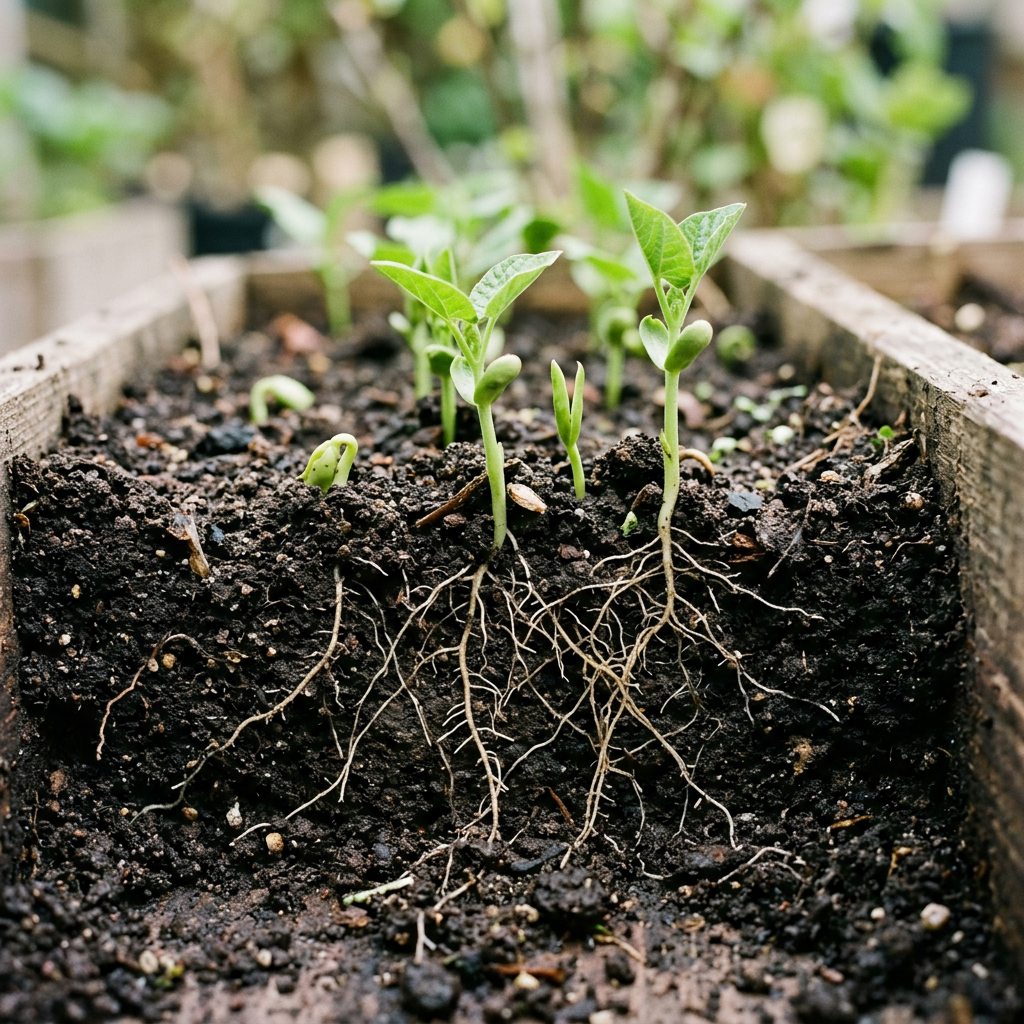
In a world spinning ever faster, awash in the cold logic of pixels and portfolios, a faint, rhythmic murmur persists. It is the sigh of a field at dusk, the rustle of dried stalks in the wind—it is The Barley’s Whisper. This is not merely the sound of agriculture, but an ancient plea for a covenant of life, echoing now through the actions of gleaners old and new, challenging us to listen.
In Fields Where Faithful Walked, a Modern Echo
Long ago, in the Levantine sun, a practice was codified not for efficiency, but for grace and sustenance. Farmers were instructed not to harvest the edges of their fields, nor to pick up the sheaves they dropped. This bounty, left behind by design, was for the alien, the fatherless, and the widow. This is the story of Ruth, a gleaner who followed the reapers in the field of Boaz, gathering what was intentionally left for her survival and dignity. This was an economic system with a beating heart, built on the recognition that the land’s true produce wasn’t just grain, but community and mercy.
Today, this echo finds form not only in community farms and food banks, but in any act where we deliberately leave margin for others. It’s the project manager who leaves “gleanings” of credit for junior team members, the chef who redirects surplus to a shelter, or the programmer who shares open-source code. The modern gleaner is anyone who practices intentional margin, understanding that hyper-efficiency can starve the human spirit.
Harvest’s Whispers Rise Amidst Digital Storms
Our age is defined by a different kind of harvest: one of attention, data, and financial speculation. We scroll through endless fields of content, “reaping” information, while algorithms determine what is left at the edges of our digital perception. In this storm of notifications and market ticks, the barley’s whisper grows faint, but more urgent. Can we hear a plea for life over the din of a trendline or a viral clip?
The principles of gleaning ask us to recalibrate:
- Leave the Corners: Intentionally disengage from the digital harvest to be present in the physical world.
- Do Not Glean the Fallen Sparks: Avoid chasing every notification or reactive piece of news; let some “drops” go to preserve mental peace.
- The Second Pass: Revisit ideas, relationships, and projects with a spirit of gathering overlooked value, rather than constantly seeking the new.
> “The most fertile field is often the one we think we have already harvested. True abundance lies in the patient, second look.”
The Currency of Grain vs. A Wager’s Gain
Here lies the core tension. Ancient harvests dealt in tangible currency: grain that became bread, sustenance that directly translated to life. Our modern economy increasingly trades in abstracted, high-stakes wagers—derivatives, cryptocurrencies, and speculative assets detached from tangible, life-giving produce.
- Grain Currency: Nourishing, communal, slow, rooted in natural cycles, creates shared resilience.
- Wager’s Gain: Abstract, individualistic, frantic, rooted in volatility, creates isolated fortune (or ruin).
The barley whispers a warning: when we base our security on the wager instead of the grain, we build our house on the trading floor, not on the good earth. We risk becoming spiritual debtors, gambling with the very resources meant to sustain life.
Earth’s Simple Plea: Sustain Instead of Staking
The land itself models this. A healthy field operates on cycles of giving and receiving, growth and fallow rest. Its plea is simple: “Sustain me, that I may sustain you.” It does not ask to be staked in a futures contract, but to be tended, rotated, and allowed to breathe.
This translates to a call for regenerative practices in all we do:
- In agriculture: Prioritizing soil health over maximum yield.
- In business: Valuing employee well-being and long-term stability over quarterly spikes.
- In personal life: Investing time in relationships and crafts that bear slow fruit, rather than betting all our energy on a single, fleeting opportunity.
To heed this plea is to move from an extractive mindset to a symbiotic stewardship.
A Ruthful Path, Rooted in Covenant of Life
Ultimately, “The Barley’s Whisper” invites us to walk a Ruthful Path. This is not just about kindness, but about the specific, courageous faithfulness Ruth displayed—a commitment to people and place that led her into the unknown field. Her story is a covenant of life: a promise that our systems and personal choices will favor preservation, dignity, and shared abundance.
This covenant asks us:
- To see the margins of our “fields”—be they time, wealth, or influence—as sacred spaces for others.
- To measure success not just by what we acquire, but by what we intentionally leave for the vulnerable.
- To root our security in the generative, life-giving cycles, not in the anxious gamble of the next big thing.
In listening to the barley’s whisper, we rediscover that the true harvest was never just in the barn. It is in the strength of the community fed, the dignity of the gleaner welcomed, and the profound, quiet peace of knowing our lives are part of a sustaining, rather than a staking, story. The field is speaking. It is time to lean in and hear its plea for life.
Leave a Reply