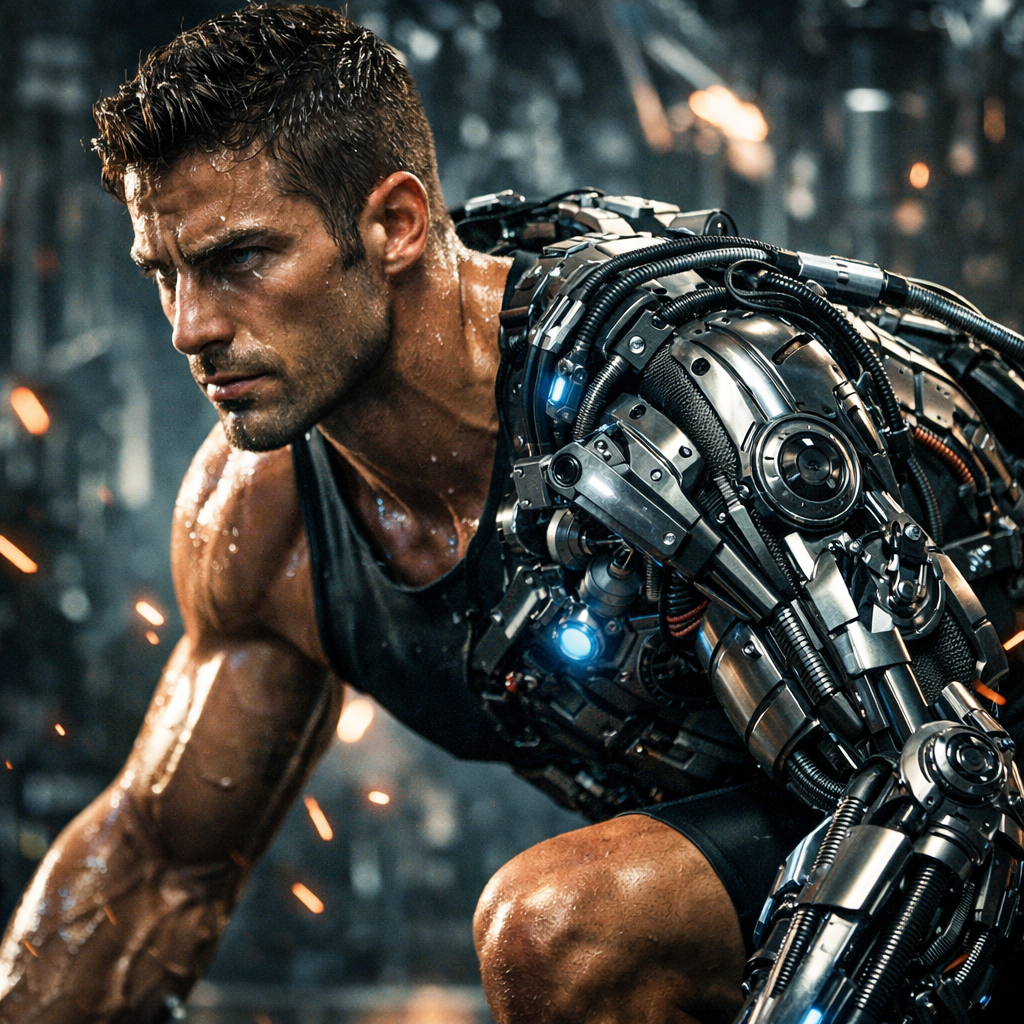
The world of industrial engineering and high finance rarely intersect. One deals with the tangible realities of load-bearing steel, coolant loops, and grid stability; the other with the abstract, volatile pulses of market sentiment. As an engineer tasked with keeping remote, sub-zero electrical substations from freezing solid, my entire professional mindset was built on redundancy, risk mitigation, and the relentless battle against entropy. I saw the markets as a chaotic, overheated system—until the deep freeze of my own finances taught me that the coldest assets can sometimes generate the most surprising heat.
Siberia’s Deep Freeze and Financial Ice Age
My career has been defined by the cold. For over a decade, I’ve worked as a “grid hardening” specialist, designing and maintaining power infrastructure in some of the most frigid, remote corners of Siberia and Northern Canada. My world is one of:
- Extreme Temperatures: Routinely -40°C and below.
- Physical Failures: Metal fatigue, frozen lubricants, and insulation breakdown.
- Relentless Prevention: A philosophy of anticipating every possible point of failure.
Ironically, while I expertly managed these physical risks, my personal finances were entering their own ice age. My conservative portfolio, built on “safe” blue-chip industrial stocks and bonds, was stagnating. Adjusted for inflation, it was slowly losing value—a quiet, imperceptible decay not unlike the creeping frost heave that can topple a transmission tower. My engineer’s brain recognized a failing system, but my investor’s toolkit seemed empty. The traditional “warm” assets of the market felt as inaccessible as a tropical beach.
Discovering a Warm Asset in a Frozen System
The epiphany came not from a financial analyst, but from a routine maintenance trip. To stave off boredom during a 72-hour monitoring shift at a remote substation, I downloaded a documentary on sports science and human performance technology. The parallels were immediate and striking.
> The principles of optimizing an athlete—managing energy systems, preventing catastrophic injury (system failure), and leveraging data for incremental gains—were not so different from managing a complex grid. Both are about achieving peak performance under extreme stress.
I began to see elite athletes as highly refined, biological machines. The industries that supported them—not just teams or leagues, but the technology behind biometrics, recovery, and data analytics—were solving problems analogous to my own: monitoring critical systems, predicting failures, and enhancing efficiency. This was a sector built on measurable output and innovation, a language my engineering mind understood intuitively.
The Unlikely Shift to Sports Performance Stocks
Armed with this new lens, I began researching with the same diligence I’d apply to a new turbine specification. This wasn’t about betting on who would win the championship; it was about investing in the infrastructure of performance. I shifted a portion of my capital from my icy traditional holdings into what I called “performance tech.” My criteria were strict, mirroring my engineering standards:
- Measurable Impact: Companies whose products had clear, data-backed efficacy (e.g., wearable lactate monitors, AI-powered motion capture).
- Scalable Technology: Solutions applicable beyond elite sports to wellness, rehabilitation, and military training.
- Strong R&D Investment: A balance sheet showing commitment to continuous improvement, not just marketing.
- Resilient Demand: Focus on performance and health, which are evergreen drivers, not fleeting fan merchandise.
This strategic pivot led me to a handful of firms specializing in advanced materials for equipment, proprietary athletic analytics software, and non-invasive recovery devices. They were, in financial terms, my new “critical node” investments.
My Portfolio Now Thrives Where Machines Fail
The result has been a profound lesson in interdisciplinary thinking. Where my old industrial stocks remained sluggish, sensitive to the very commodity cycles and macroeconomic frosts I battled physically, the sports performance sector proved dynamic and resilient.
My portfolio, once frozen, now has a core that generates consistent growth. It’s powered by humanity’s unchanging drive to push physical limits, a trend far more predictable than the whims of the commodity market. The heat isn’t from a speculative frenzy, but from the tangible fire of human endeavor and the technology that fuels it.
As an engineer, I am trained to see failure points. My journey taught me that the greatest failure in investing can be a rigidity of thought—sticking to the familiar ecosystem even when it’s cooling down. Sometimes, the warmest investment opportunity is found by looking at an entirely different system, recognizing the fundamental principles of performance and resilience, and having the courage to redirect the flow of capital. Now, when the alarms sound in my substations warning of a deep freeze, I can take comfort knowing part of my wealth is diligently working in a realm where human potential, not metal, is the critical asset being optimized.
Leave a Reply