In the heart of Morocco’s Rif Mountains lies Chefchaouen, the famed Blue City, where every winding alley and ancient step is washed in serene shades of azure, cobalt, and sapphire. For years, this tranquil mountain retreat has drawn travelers seeking a respite from the clamor of modern life. Yet, beneath its placid surface, the community, like many others, navigates the undercurrents of economic uncertainty and the rapid pace of global change. In a surprising turn, a profound sense of solace and stability emerged not from the city’s famed pigments or traditional crafts, but from a shared, predictable sports calendar—a framework of matches, tournaments, and events that began to dictate the weekly rhythm of life in a uniquely comforting way.
The Rhythm of a Relay in the Blue Medina
The medina of Chefchaouen is a labyrinth of sensory experiences: the scent of leather and spices, the sound of haggling in the souks, the cool touch of blue-washed walls. Into this timeless scene, a new pulse was introduced through organized sports. What began as a few local football matches soon evolved into a structured calendar encompassing:
- Weekly Community Football Leagues, where neighborhood teams from the hillside douars would descend to compete.
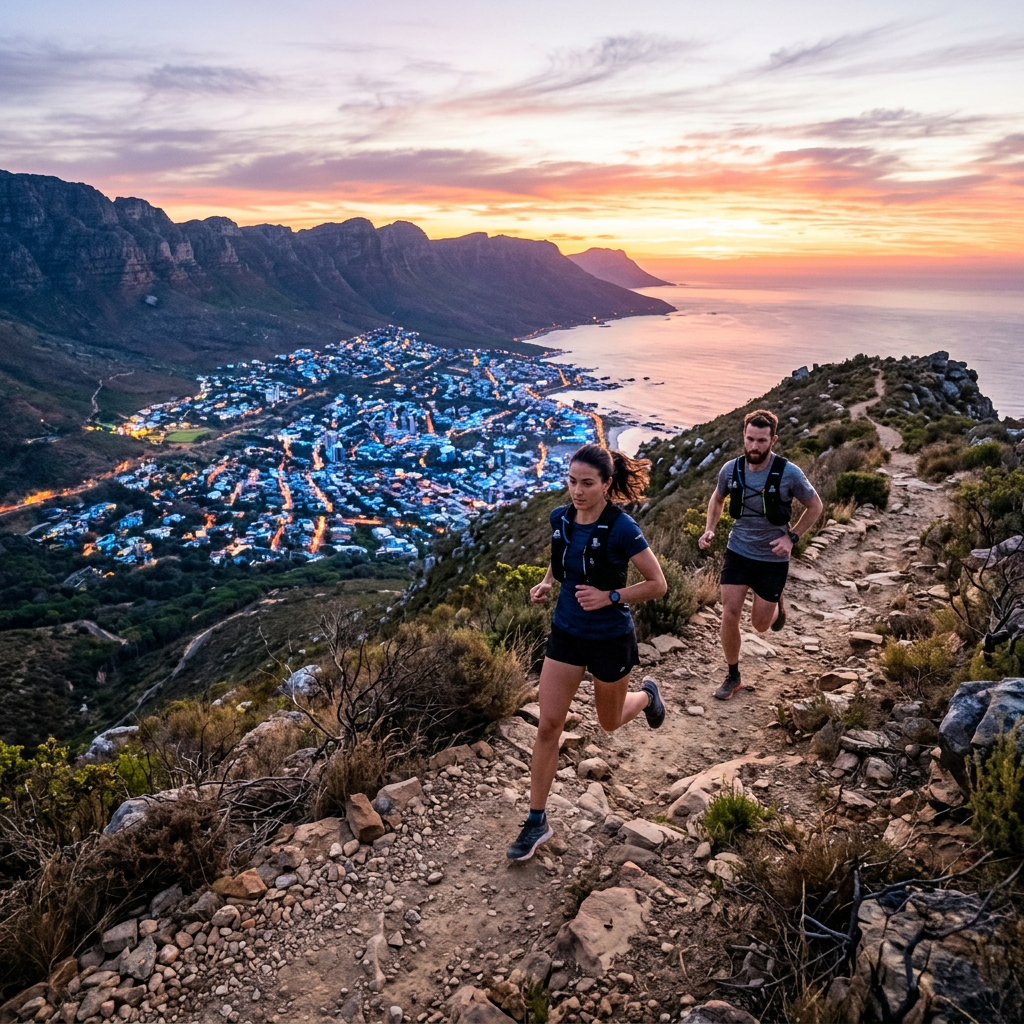
- Scheduled Mountain Trail Runs, leveraging the stunning Rif Mountain paths for athletic challenge and tourism.
- Bi-annual Youth Tournaments for basketball and volleyball, often held in the main square or local school courtyards.
- Friendly international fixtures during major global events, like the World Cup or Africa Cup of Nations, broadcast in communal cafes.
This calendar did more than schedule games; it created a relay of anticipation. As one event concluded, the community’s focus would seamlessly pass to the next, creating a continuous, forward-looking narrative.
> “In the medina, time can feel circular, bound by tradition. The sports calendar gave us a line to follow into the future—a shared timeline we were all reading together,” noted a local café owner.
When Markets Panic, the Kickoff Time Held
Like many tourist-dependent economies, Chefchaouen is vulnerable to external shocks—global recessions, travel advisories, or local droughts could cause the vital market for crafts, guides, and lodging to stutter and panic. During these periods of anxiety, a fascinating phenomenon occurred. The sports schedule remained unshakable.
While daily income became unpredictable, the following elements provided a critical framework:
- Predictable Social Gathering: Every Saturday at 4 PM, the match would begin, irrespective of that day’s tourist footfall.
- Neutral Topic of Conversation: Discussions shifted from worrying over sales to debating a team’s strategy or a referee’s call, relieving social tension.
- Micro-Economic Activity: The sale of tea, snacks, and team scarves around events created small, reliable cash flows.
- A Scheduled Escape: For ninety minutes, the collective worry was voluntarily suspended for the universal language of play.
This immovable fixture—the kickoff time—became an anchor, a non-negotiable appointment with community and respite.
A Blue City Anchored by Predictable Play
The intrinsic value of the calendar lay in its predictability, a quality that contrasted beautifully with the city’s dreamlike, amorphous blue hues. In an environment designed to inspire contemplation and wonder, the sports schedule provided structure. This wasn’t about fostering fierce competition, but about providing communal certainty.
Key ways this “predictable play” anchored the city include:
- Reinforcing Local Identity: Teams named for local landmarks (the “Jebel Elkalaa Falcons,” the “Ras Elma River FC”) strengthened residents’ connection to their home.
- Integrating Youth: Young people found a formalized role as players, organizers, or supporters, channeling their energy and reducing idleness.
- Creating a Tourist Sub-Culture: Visitors began to schedule trips around major tournaments, adding a new layer to the “Chefchaouen experience” beyond photography.
- Fostering Inter-Generational Bonding: Grandparents, parents, and children shared in the collective experience of a game, bridging traditional and modern interests.
The Unshaken Schedule and Our Economic Peace
Ultimately, the lesson from Chefchaouen is profound in its simplicity. In the face of economic fragility, monumental solutions are often sought. Yet, the unshaken schedule of local sport offered something arguably more valuable: economic peace. It provided a psychological stabilizing force, a shared civic ritual that maintained social cohesion when material circumstances threatened to fray it. The economic peace wasn’t about generating vast wealth, but about preserving the social fabric that allows an economy to eventually recover and thrive.
The blue walls of Chefchaouen have long symbolized peace, spirituality, and a retreat from the world. Now, intertwined with that legacy is the memory of how the simple, steadfast timing of a game provided a different kind of sanctuary—one of temporal certainty and collective heart, proving that sometimes, the most potent remedy for uncertainty is a reliably scheduled moment of shared focus and joy.
Leave a Reply