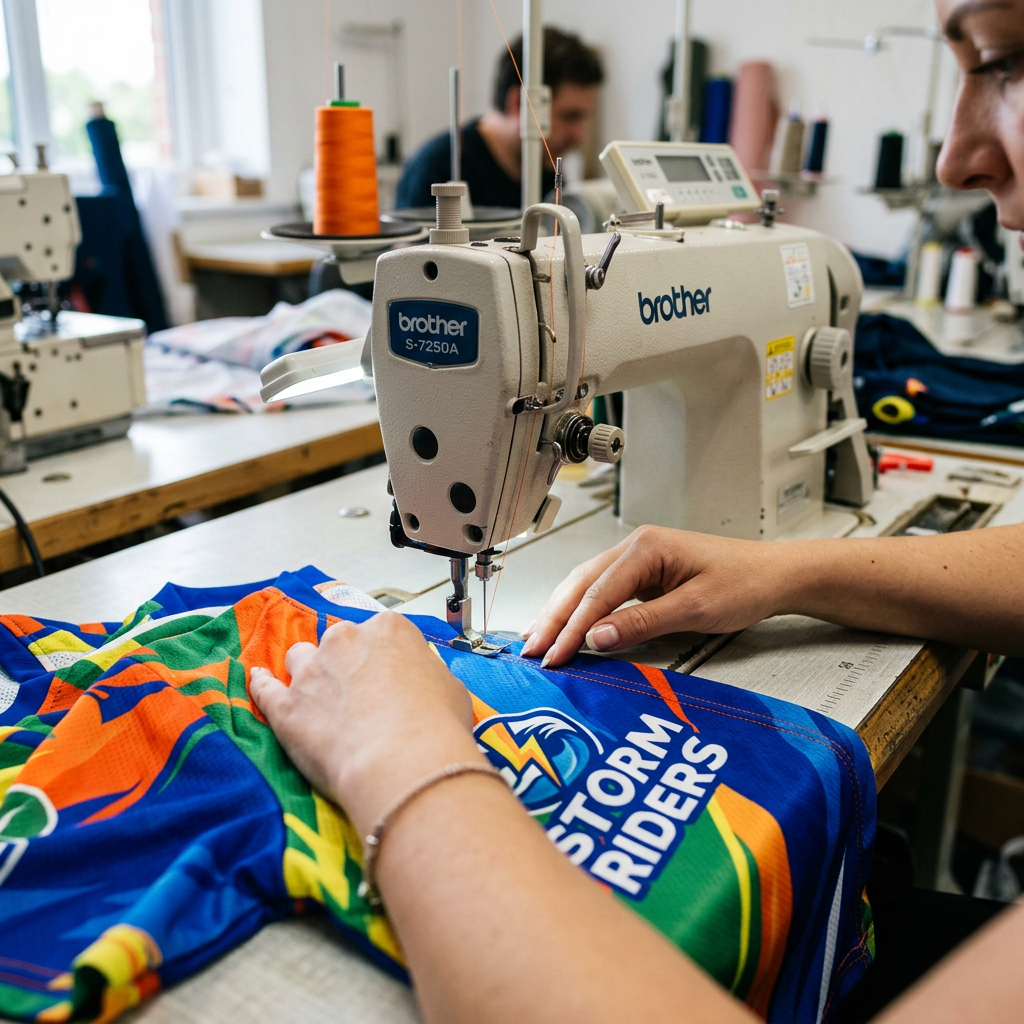
Running a small business is a masterclass in navigating uncertainty, and for years, my tailor shop rode a rollercoaster I could never control. The dazzling highs of the holiday season and summer weddings were always undercut by the long, quiet stretches where the sewing machines seemed to echo in an empty space. I prided myself on exquisite workmanship, but my business model was fragile—pinned together by threads of chance. That is, until I discovered an unlikely, steadfast anchor: the predictable, calendar-driven world of organized sports. My business wasn’t saved by a sudden influx of celebrity athletes; it was saved by the seasonality I’d been missing all along.
From Seasonal Frenzy to Seasonal Consistency
For decades, my shop’s rhythm was dictated by the traditional fashion and event calendar.
- The Crunch: From April to September, we were deluged with wedding alterations, prom dress fittings, and vacation wardrobe tailoring. From November to December, it was all holiday parties and family gatherings.
- The Drought: But January through March, and much of October, were often ghost towns. The inconsistency made staffing a nightmare and cash flow a constant source of stress.
- The Pivot Point: I realized I was serving life’s “big events,” but I was ignoring the recurring, scheduled events that filled people’s calendars every single year. That’s when I looked beyond my storefront to the local sports fields, gyms, and arenas.
Stitching Success to Predictable Schedules
Engaging with the sports world required a shift in perspective and services. It wasn’t about haute couture; it was about durability, function, and team identity. I began to offer specialized services tailored to this new clientele:
- Team Uniform Alteration and Repair: Schools and local leagues always need jerseys hemmed, numbers re-sewn, and tears mended. I offered bulk rates and quick turnarounds.
- Performance Wear Customization: For serious amateurs and semi-pro athletes, I learned to work with technical fabrics to tailor compression gear for a better fit.
- Logo and Embroidery Add-ons: A local running club wanted their logo on jackets. A corporate softball team needed last-minute name additions. This became a lucrative side stream.
- Gameday “Lucky” Alterations: Believe it or not, we started getting requests to take in a shirt or hem pants for a fan’s “game day outfit” that hadn’t been worn since last season.
The key was the predictability. Little League season starts in April. Football training camps begin in late summer. Marathon season has its buildup. These schedules gave me a blueprint for my own business year.
How Game Day Forecasts Saved My Business
The true magic happened when I started using the sports calendar not just as an order log, but as a proactive planning tool.
> Treat the local sports calendar like your business almanac. When the high school football schedule is published, your marketing for letterman jacket repairs should be ready to go.
I created a “Sports Season Map” for my shop:
- Pre-Season (6-8 weeks out): Market uniform check-ups and team orders. Contact local league organizers directly.
- In-Season: Focus on quick-turnaround repairs and promoting fan gear customization.
- Post-Season/Championships: Offer services for trophy jacket customization or commemorative patches for winning teams.
- Off-Season: Target individual athletes for alterations to their personal training gear and plan for the next year’s leagues.
This model smoothed out our cash flow dramatically. The slow months filled with preparatory work and orders from indoor sports, creating a new, reliable baseline of income.
A Tailor’s Tale: Anchored by Athletics
My shop still does beautiful wedding gown alterations and suit fittings. Those are the showcase pieces in our window. But the humming engine of the business is now found in the stacks of numbered jerseys and the boxes of team jackets waiting for pickup. The steady rhythm of sports seasons provided a framework that my business desperately needed.
I learned that stability for a small business doesn’t always come from a single, massive contract. Sometimes, it comes from a hundred small, recurring stitches tied to the passions of your community. The world of sports, with its unwavering schedules and communal spirit, gave my trade a new pitch to play on—one that isn’t subject to the whims of fashion or the silence of an empty calendar. In finding an anchor in athletics, I didn’t just save my shop; I gave it a legacy play, stitching myself into the fabric of the local teams and fans for seasons to come.
Leave a Reply