The air is thin and cold, and the mist hangs like a shroud over the ancient trees. This is a cloud forest, a place where the real and the mythical blur. But this story is not about vines or orchids; it is about billion-dollar scoreboards and broken hearts. Somewhere in the high-altitude silence, a prophecy has been spoken: the sports market, as we built it, is dying. The question is whether we let it fall into a chasm of its own making, or whether we can find the path to save it.
We have entered an era where the roar of the crowd is often drowned out by the click-clack of a digital slot machine. The soul of competition is being wagered away, not by the athletes, but by the very system that claims to celebrate them. This article explores how we got lost in the fog and what ancient wisdom might guide us back to solid ground.
The Cloud Forest Prophecy: A Warning for Sports
Imagine a league office. The executives stare at a chart that shows viewership dropping, but betting handle rising. The prophecy whispers: “If you trade trust for a transaction, you will lose both.” The data is stark. A recent study shows that 18-34 year-old males are more likely to know the odds of a game than the rules of the sport. The emotional investment is shifting from “we won” to “my bet won.”
This is not a moral panic; it is a structural collapse. When the primary relationship between a fan and a sport is mediated by a gambling app, the loyalty becomes paper-thin. A bad beat on a Tuesday night does not just sour the mood; it kills the franchise’s brand equity. The prophecy suggests that the sports market has entered a critical danger zone where the very definition of “sports entertainment” is being erased.
How Gambling’s Profit Machine Broke the Market
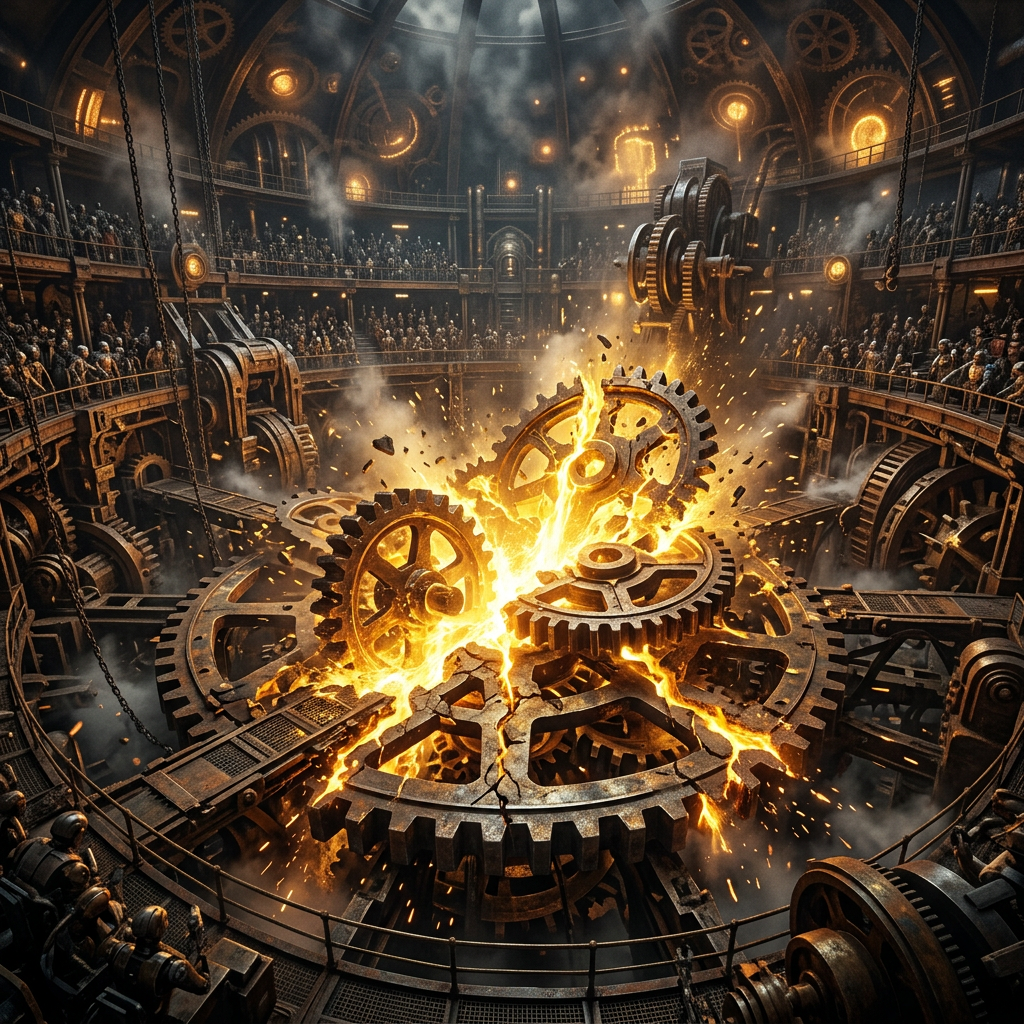
The integration of sports betting came with a promise: more engagement, more revenue, a bigger pie. But the machine has a voracious appetite. Here is how the gears have ground down the market:
- Over-saturation of Ads: The broadcast of a game now feels like a laundry list of betting platforms. The line between highlighting the “play of the game” and the “payout for the parlay” has vanished.
- Conflict of Interest: Teams and leagues actively promote gambling, yet punish players for betting. This hypocrisy erodes institutional credibility.
- Integrity Crisis Point: While game-fixing remains rare, the sheer volume of micro-bets (e.g., “Will the next free throw miss?”) creates an environment where suspicion is constant, poisoning the well for honest competition.
- Fan Alienation: For the traditional fan who loves the “pure” game, the constant gambling narrative feels like a hostile takeover of their safe space.
The profit machine has succeeded in extracting short-term cash, but it has broken the emotional contract between the sport and its audience. The market is now flooded with “whales” (high-stakes bettors) and emptied of “cultivators” (lifelong fans).
Unearthing the Lost Blueprint to Replace Chaos
Deep in the metaphorical cloud forest, there is a forgotten scroll. It contains a blueprint for a market that thrives on passion rather than price. This is not about banning gambling, but about rebalancing the ecosystem. The old blueprint had three sacred pillars:
- The Sanctity of the Result: The outcome of the game must be sacred. It must exist for the athlete, the team, and the community first. The bet is a secondary, tertiary event.
- The Value of Narrative: Fans buy into stories, not probabilities. The underdog journey, the veteran’s last stand, the rookie’s debut – these are assets that betting cannot commodify.
- Community as Shareholder: The traditional model treated fans as consumers. The new model must treat them as stakeholders. When a fan feels ownership, they don’t walk away after a loss.
> Ancient Tip: The “Cloud Forest Philosopher” always said: “A market built on one bet will fall in one season. A market built on a thousand memories will last a thousand seasons.”
Rebuilding the Sports Market from Ancient Mist
How do we apply this ancient wisdom to our modern mess? The process is slow, but necessary. It requires uncomfortable decisions:
- Segregate the Offerings: A “Sports Watch” stream should exist without any betting lines, commentary, or statistics. Let the pure game breathe. The betting experience should be a completely separate, opt-in universe, not the main canvas.
- Tax the Mechanism for Growth: Implement a “community tax” on every gambling dollar that goes directly into local youth sports, stadium renovations for public use, and athlete mental health programs. Turn the vice into a virtue.
- Reinforce the Human Element: Mandate that a percentage of broadcast time focuses on the athlete as a person, not as a statistical variable. Highlight charity work, family, and the struggle of training.
- Limit the Flow of Instant Gratification: Ban live micro-betting that interrupts the flow of the game. The offer to bet on the next pitch before the inning starts is a distraction, not an enhancement.
> Key Reminder: We are not building an algorithm; we are building a culture. Data can inform, but only human connection can sustain.
The Choice: Save the System or Watch It Fall
The cloud forest prophecy does not lie. It is a fork in the path. The first path is paved with easy money, sponsored odds, and a fanbase that cares only about the bottom line of their slip. This path leads to a cliff. As the emotional investment wanes and the margins on betting tighten, the market will implode. The death spiral looks like this: lost fans → reduced ad revenue → desperate casinos → more intrusive betting → more lost fans.
The second path is harder. It requires the leagues, broadcasters, and sportsbooks to cooperate in reducing their own short-term greed. It asks us to rebuild the ancient mist of excitement, mystery, and communal joy that once defined sports.
Conclusion
We stand at the eye of the storm. The “Cloud Forest Prophecy” is not about a specific team or a single scandal; it is about the soul of the industry. The sports market can still be saved, but the time for half-measures is over. We must choose to value the fan over the gambler, the story over the statistic, and the game over the house. If we do not, the prophecy will fulfill itself. The market will not crash with a bang, but with a whimper—as the mist clears and reveals an empty stadium, with no one left to watch.
Leave a Reply