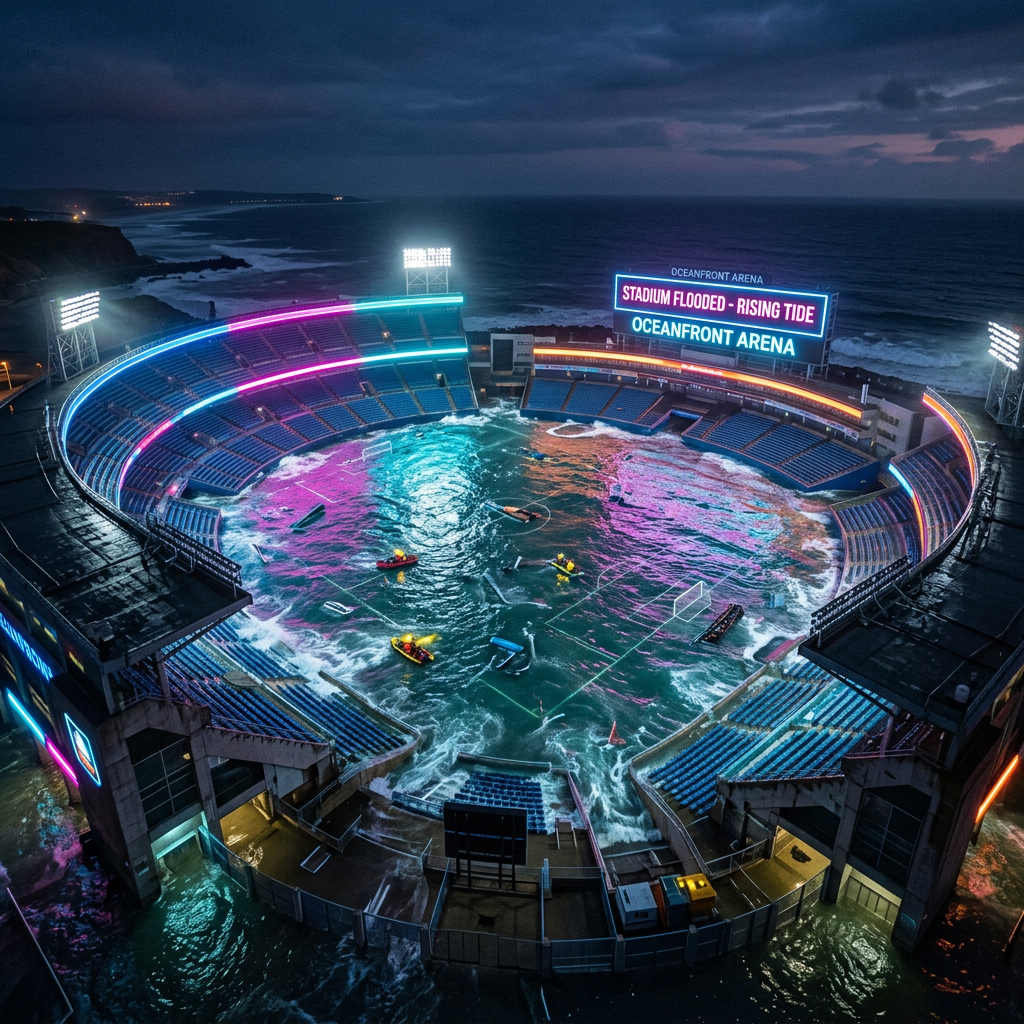
The Dockside Vision: A Harbor’s Warning
Imagine a harbor at dusk. The water is still, reflecting the last light of day. Dockside, the air smells of salt and fresh possibility. This is the essence of sport: a natural, communal gathering place where effort meets reward, where joy is shared without a price tag on every play. But look closer at the shore. A dark tide is rising, not of water, but of gambling. It creeps over the pilings, staining the wood, and beginning to erode the very ground beneath our feet. This isn’t just a metaphor; it’s a reality for countless sports communities worldwide.
The dock represents purity, a space where we gather to witness human excellence. The tide is the intrusion of a system designed to extract value—money, attention, and integrity—from that sacred space. The vision, then, is not to build a higher wall, but to actively reclaim the shoreline. It’s about teaching the next generation to recognize the difference between the thrill of a game and the desperate pull of a bet.
> “The strongest harbor is not the one that blocks the sea, but the one that teaches its sailors to navigate the storm.”
Gambling’s Tide: How Nations Are Drowning
The statistics are no longer whispers; they are roaring floods. In many developed nations, the normalization of sports betting has created a systemic crisis.
- The United Kingdom: A staggering £14 billion is legally wagered on sports annually. The “high street” bookmaker has become as common as the corner cafe, yet the social cost in addiction and family breakdown is seldom publicized.
- Australia: They lose more per capita to gambling than any other nation. “Punting culture” is woven into the fabric of sports commentary, with odds displayed live on screen during matches.
- India & Southeast Asia: The rise of illegal betting syndicates, often tied to organized crime, now dwarfs legal markets. A single cricket match can see billions of rupees traded in unregulated shadows.
The tide here is not just financial. It is a cultural drowning. When a family watches a game, the child learns to ask not “Who is winning?” but “What are the odds?” This shifts the fundamental nature of play from participation to passive consumption, and from hope to speculation. The harbor is slowly filling with this toxic water.
Buried Truths: The Ethical Sports Market
Beneath the surface of every big sponsorship deal and betting app icon lies a rotten truth: the model is built on exploitation. The modern sports-betting complex is shockingly efficient:
- Algorithmic manipulation: Apps use sophisticated data to identify users showing signs of addiction, then target them with “bonuses” and “free bets” to keep them engaged.
- Micro-betting: The industry has moved from simple match outcomes to wagering on single pitches, fouls, or even player temper tantrums. This destroys the narrative flow of sport, turning players into instruments of instant return.
- Player integrity: The pressure is immense. An underpaid athlete in a secondary league may face a choice: take a bribe for a small “accidental” miss, or lose their livelihood. Hundreds of low-level match-fixing scandals go unreported each year.
An ethical sports market would treat gambling like a controlled poison: permitted in tiny, regulated doses, but never advertised, never associated with children, and never allowed to become the primary revenue stream of a league. We have none of that today.
> “When a sports league takes a bookmaker’s money, they are not selling advertising—they are selling their fans’ potential misery.”
Restoring Transparency: Investment Over Addiction
The path back to a healthy harbor is paved with hard choices, but they are not impossible. The key is to replace the stream of gambling revenue with sustainable, transparent investment.
- Fan-owned clubs: Modeled after teams like FC Barcelona or the Green Bay Packers, where supporters hold shares, not betting slips. This aligns the team’s success with the community, not a distant corporation.
- Government windfall taxes: A heavy, non-negotiable tax on gambling operators, ringfenced only for sports infrastructure, youth programs, and addiction recovery centers. Not for general budgets, but purpose-built for sport’s health.
- Data rights sold back: Instead of allowing betting platforms to use live match data for free (to create odds), sports leagues should charge an ethical premium. The funds should then directly lower ticket prices and youth fees, making sport accessible, not addicted.
- Total advertising bans: Just as tobacco was removed from sports, gambling must follow. No logos on jerseys, no ads on broadcasts, and no “responsible gambling” messaging (which is proven to be a placebo, not a protection).
Reclaiming the Game: Stand Against the Scourge
This is not a passive documentary. This is a call to action. Reclaiming the dockside requires every stakeholder to choose the shore over the sea.
- As a fan: Refuse to use any betting app. Talk to your children about the difference between a wager and a waste. Celebrate a great catch or a last-second goal without checking the parlay.
- As an athlete: Understand that your body and your integrity are not commodities to be hedged. Speak out against teammates who engage with fixers. The game is bigger than your bankroll.
- As a policy maker: Study the Australian and UK models as warnings, not blueprints. The “legalize and regulate” approach has failed. Next steps must include mandatory harm caps and loss limits per customer per month.
The tide will not recede on its own. It needs a human chain along the shoreline, locking hands, and pushing back.
Conclusion
The Dockside Vision is not a dream of a perfect, gambling-free world—that may be impossible. It is a vision of balance, where the sport stands taller than the bet. Where a child runs onto a field not to win a wager for a parent, but to feel the grass and the wind. Where the final whistle means a story has ended, not a bet has been settled.
We have allowed the tide to rise too high. But harbors have walls built by generations. It is time to build ours. Reclaim the game. Reject the bet. Stand on the dock, and face the horizon—not the odds board.
Leave a Reply