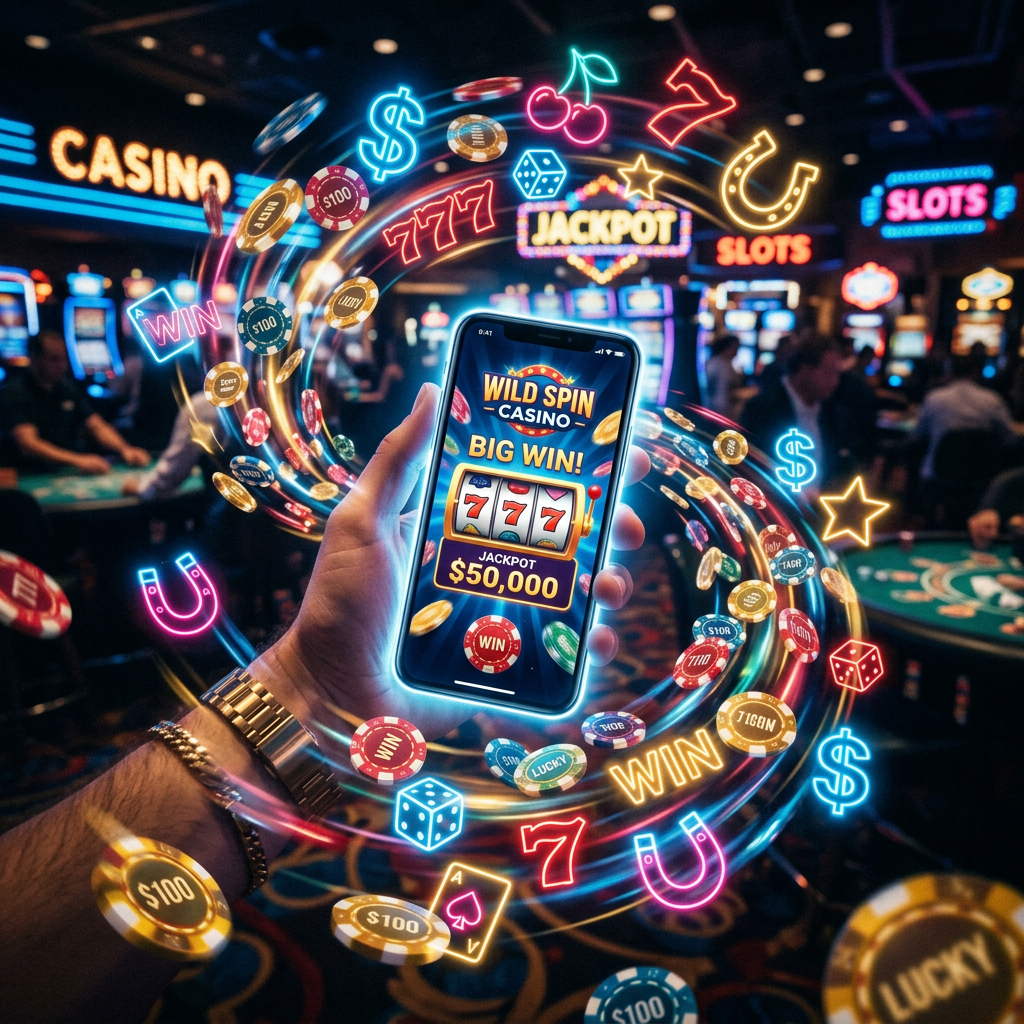
Gambling thrives on a fundamental deception: the promise of easy, risk-free gain from a system that is mathematically engineered to take more than it gives. Yet the cure for this sickness might not lie in stricter laws or endless warnings, but in remembering a market that was stolen from us—a market built on value, patience, and trust. One that could, if reclaimed, heal the very impulse that fuels the gambling world.
The Ancient Stones Speak: A Market Stolen
Long before neon-lit casinos and infinite scroll sportsbooks, human beings traded not on chance but on intrinsic value. Farmers bartered grain for tools. Artisans exchanged a crafted chair for a season’s worth of meat. Every transaction was anchored in real, tangible worth and mutual trust. This was the original market: a system of earned exchange where scarcity, labor, and community set prices.
Then came the abstraction of value—coins that stood for grain, paper that stood for coins, and finally digital numbers that stand for nothing but confidence. Somewhere along this road, a crucial piece was stolen: the direct link between effort and reward. The market of real goods and true worth became a casino of speculation, where money is made not by building or growing but by betting on what others will do next. This stolen market is what we must recognize and reclaim.
Gambling’s Grip: The World’s Addiction Explored
Gambling is not a side effect of capitalism; it is a parasitic twin that feeds on the market’s broken promise. Consider these realities:
- Easy access: A betting app is never closed and never far away.
- Dopamine traps: Near-misses and variable rewards hack the brain’s reward system.
- Social isolation: Digital gambling removes the community that used to check behavior.
- Debt spiral: Losses are disguised as “learning” until the hole is too deep.
- False agency: The illusion of skill in a game of pure chance.
The result is a global epidemic. From sports betting to crypto “trading,” more people than ever are chasing the rush of a win—while the house always wins. The system is designed to keep players in a state of calculated confusion, never quite sure if they are one lucky bet away from escape.
The Value System That Anchors, Not Risks
What if the solution is not to forbid risk, but to redirect it toward productive value? A healing market would be based on three anchors:
> Real goods and services – Money should represent something that exists. > Measurable effort – Reward should be proportional to work or creativity. > Community trust – Transactions should be transparent and reciprocal.
In such a market, the excitement comes not from a spin of the wheel but from:
- Building a skill over time.
- Creating something that others genuinely want.
- Watching a small investment grow through real demand, not speculation.
- Sharing success with the people who helped create it.
This is the market that was stolen—a place where risk is not eliminated, but transformed into the normal, healthy risk of effort and innovation.
How Confusion Profits While Healing Waits
The gambling world thrives on confusion. Why? Because a clear mind does not stay at the table. Consider how the industry maintains its grip:
- Complex odds hide the true probability of loss.
- Bonus structures are designed to be impossible to redeem.
- Losses are rebranded as “experience” or “entertainment.”
- Winners are celebrated while losers are quietly forgotten.
- Time is distorted with no clocks, no windows, and endless play.
Meanwhile, the healing market waits—forgotten, unmarketed, and unglamorous. It cannot afford Super Bowl ads. It does not have an app that buzzes with dopamine hits. It offers slow returns: the satisfaction of a skill learned, a craft perfected, a relationship strengthened. That is why it was stolen—because it is quiet, and gambling is loud.
> “When confusion is profitable, clarity becomes the greatest threat.”
Reclaiming the Market to Reverse the Sickness
To heal a gambling world, we must first name what was taken and then actively reclaim it. This is not a call for prohibition, but for restoration. Here are practical steps:
- Teach real value in schools and homes: show that a dollar is a claim on real labor, not a lottery ticket.
- Support local, tangible economies: farmers’ markets, artisan trades, and community currencies.
- Detox from quick dopamine: set daily limits on speculative trading and digital betting.
- Celebrate patience: share stories of people who built wealth through decades of work, not a single lucky bet.
- Create “slow market” spaces—physical and digital—where value is transparent and transaction history is public.
The gambling world will not disappear, but it can be starved as the stolen market is re-inhabited. Every time you choose a direct purchase from a maker over an auction bid, every time you invest in learning a skill instead of a risky coin flip, you are taking back a piece of what was stolen.
Conclusion
A world addicted to gambling is not a world of immoral people—it is a world that has been disconnected from the marketplace of real value. The cure is not just to say “no” to the casino, but to say “yes” to the market that was always there, quiet and sturdy. By reclaiming markets that reward effort, transparency, and community trust, we do not merely stop an addiction—we build an alternative so compelling that the casino starts to look like what it always was: a hollow imitation of the real thing.
The original market is not gone. It is only waiting for us to remember how to walk into it.
Leave a Reply