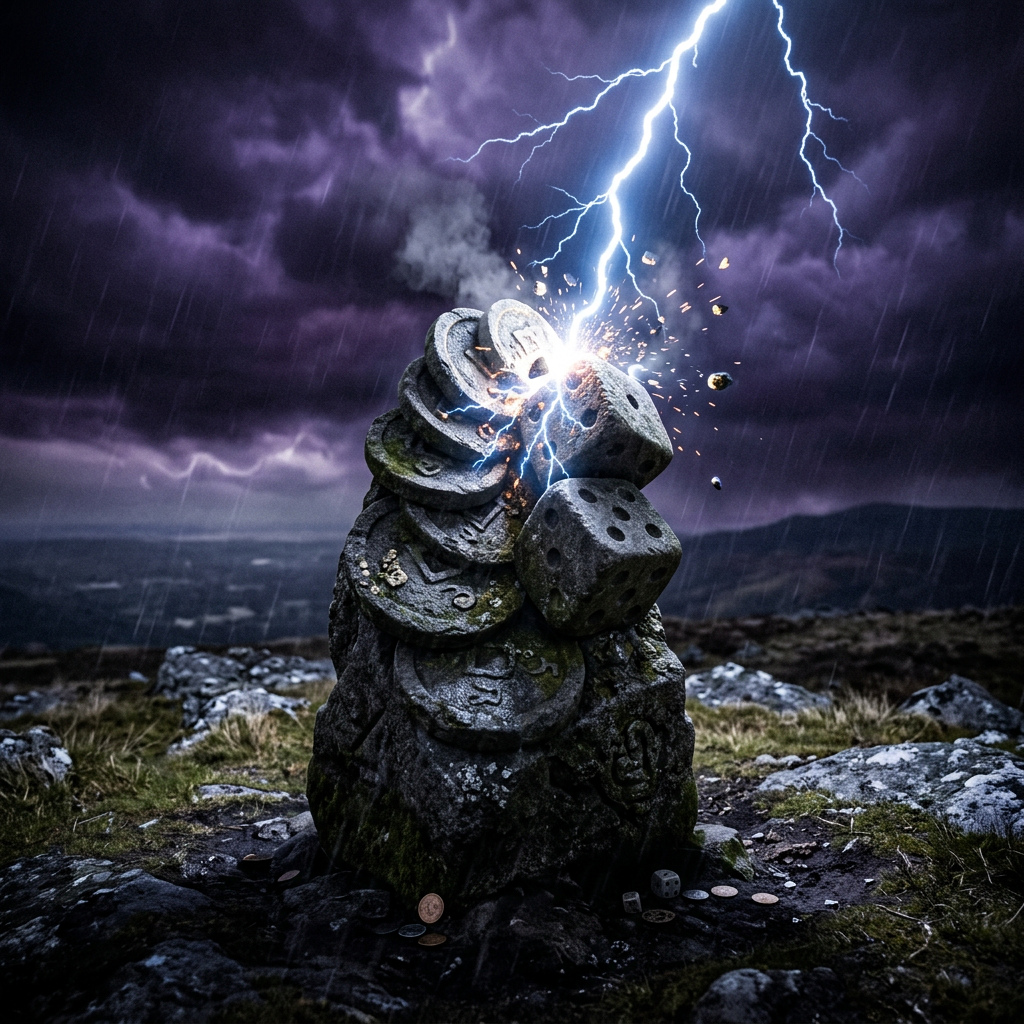
The Tenth Trumpet Sounds Over Sjenica
The old town of Sjenica, nestled in the high plains of the Pešter plateau, has long known how to keep a secret. Its cobbled streets and low stone houses whisper of centuries past—of caravans, of traders, and of a hardy people who learned to endure the long, bitter winters. But on this particular night, the wind carried a different kind of murmur. It was not the rustle of dried leaves or the distant barking of a sheepdog. It was a sound that seemed to come from the very sky itself: the clear, resonant blast of the tenth trumpet.
This was no ordinary call. In the old texts, the tenth trumpet is the one that heralds the final act—the moment when the hidden reckonings of the world are brought into the light. Its note did not bring panic, but a strange, sober clarity. The people of Sjenica stopped in their doorways, their eyes lifted toward the stars. They knew, with a deep, ancestral knowing, that something was about to be revealed.
A Scroll of Judgment Descends from Glory
As the last echoes of the trumpet faded, a luminous scroll unfurled in the heavens above the town’s old mosque. It was not written in ink, but in lines of fire and shadow, forming words that every soul could read in their own heart. The scroll listed the ancient pacts between the people and the earth, the promises made to the mountains and the rivers. And at the bottom, in a script that glowed with sorrow, were the names of those who had broken those promises.
> “The wager-kings are called to account. Their dice are loaded, and their tables are stained.”
The scroll’s language was clear: judgment had begun, not as a punishment, but as a restoration of balance. The merchants who had bought and sold the future, the lords who had gambled with the fates of villages, the ones who had turned life itself into a high-stakes bet—their names were written there. The air grew cold, and a hush fell over Sjenica, for the judgment was not just for the distant power brokers; it was a mirror held up to every heart.
The Cry Against the Wager‑Kings Begins
Then the cry began. It started as a low, rumbling chant from the stone walls, grew into a shout from the marketplace, and finally erupted into a roaring demand from the lips of the people. “No more wager-kings! No more dice on the lives of our children! No more bets on the harvest, on the rains, on the price of bread!” The cry was not one of violence, but of a fierce and holy indignation.
These wager-kings were not just distant tyrants; they were the ones who had turned every aspect of life into a game of chance:
- The land speculators who predicted which fields would dry up and which would flood, then bet against the farmers.
- The merchant princes who wagered on the rise and fall of grain prices, reaping fortunes while villages starved.
- The moneylenders who created complex schemes that made the weather itself a lottery ticket for the poor.
- The false prophets who promised salvation for a price, gambling with the souls of the desperate.
The cry against them was not for revenge. It was for the end of illusion. The people of Sjenica realized that by accepting these games, they had become complicit in their own disenchantment. The tenth trumpet was not just a call to judgment; it was a call to awakening.
Gambling as a Broken Idol in the Storm
As the cry rose, a storm gathered over the plateau. It was a storm unlike any other—a mingling of cold rain and the hot ashes of burned gambling contracts. The people watched as the scroll in the sky began to dissolve, its fiery letters falling like burning coals onto the rooftops. Where they landed, they revealed the true cost of the wager-kings’ games.
Gambling had become an idol, but it was a broken one. It demanded constant sacrifice—not of animals, but of hope, of stability, of trust. The people had been taught to see their lives as a series of odds and probabilities, a cosmic casino where luck ruled over virtue. But the tenth trumpet revealed the lie: there is no neutral chance. Every bet is a prayer, every game is a ritual. And the wager-kings had been worshiping at the altar of disconnection.
> “When you gamble with the future, you sell the present for a ghost.”
The storm raged, but it did not destroy the town. Instead, it cleansed. The gambling dens—the small, smoky rooms where men had lost their wages and their dignity—were flooded with the cold, pure water of the high plains. The dice and cards washed away into the muddy streets. The people who had been enslaved by the next roll of the dice stood blinking in the sudden, harsh light.
Shadows Flee Where the Light of Trumpets Falls
When dawn broke over Sjenica, the storm was gone. The sky was a deep, impossible blue. The tenth trumpet was silent, but its memory hung in the air like the scent of rain on dry stone. The wager-kings were gone—not dead, but fled. Their tables were empty, their ledgers soaked, their schemes exposed. The shadows that had clung to the corners of the town had dissolved in the relentless light of the trumpet’s call.
The people gathered in the main square. They did not celebrate; they stood in a circle, holding hands. They had seen the judgment, and they had heard the cry. Now, they had to learn a new way: a way where trust replaced the wager, where community replaced the game, and where honest work replaced the bet. The tenth trumpet had not saved them; it had given them the chance to save themselves.
Conclusion
The cry against the wager-kings is not just a story for the high plains of Sjenica. It is a story that echoes wherever people have allowed their lives to be turned into a game of chance, wherever the logic of the casino has replaced the logic of the covenant. The tenth trumpet sounds in every moment of clarity, in every refusal to treat the sacred as a commodity. Its call is simple: stop betting on the future, and start building it. The shadows will always flee where the light of such trumpets falls.
Leave a Reply