The Coach Who Made Us Build a Village First
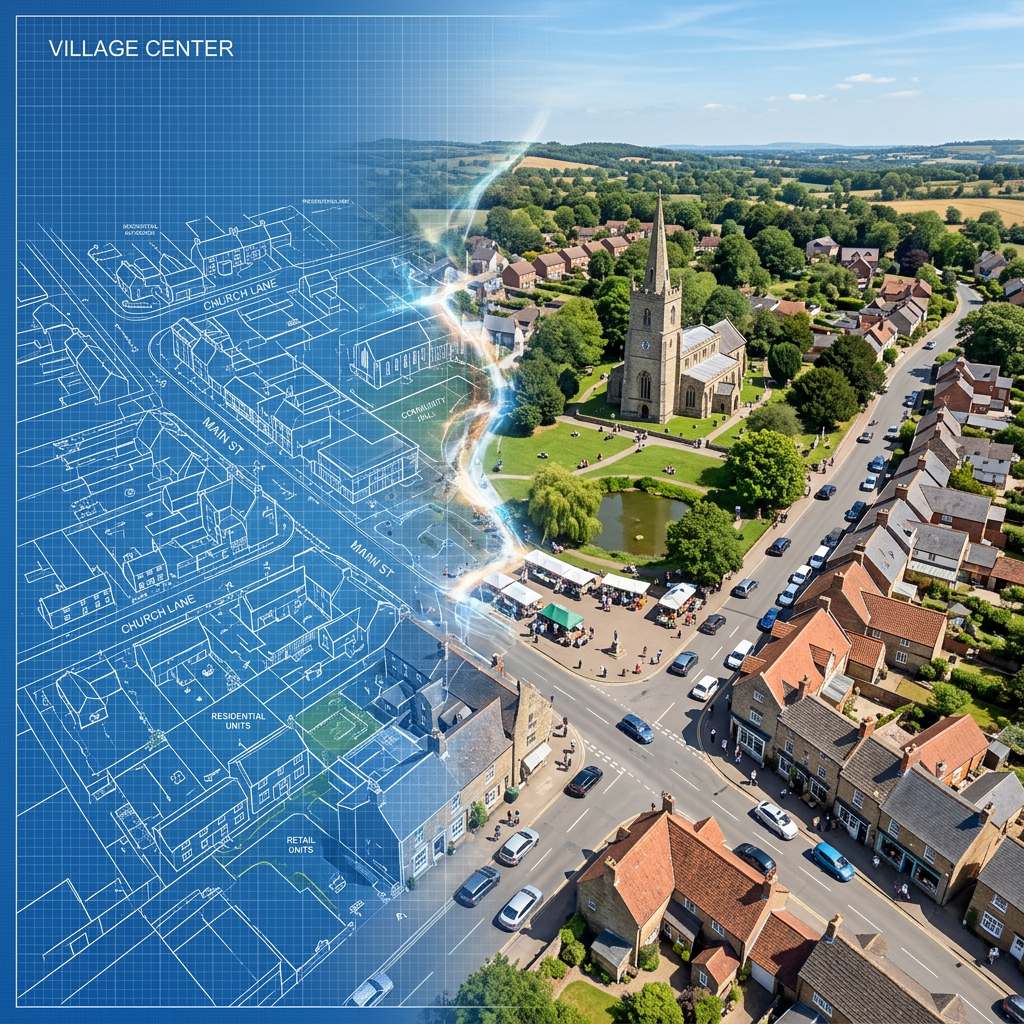
We were a bunch of restless teenagers in a dying rural town, and our idea of a good time was pooling our allowances at a backroom card game. Gambling wasn’t just a pastime; it was the only game in town. That is, until Mr. Harrison, our new soccer coach, arrived. He didn’t start with drills, formations, or even a single soccer ball. He stood in front of us, muddy-cheeked and serious, and said, “Before we learn to play, we’re going to learn to live.” His plan was absurd: we would build a village. Not a training center, not a clubhouse, but a functional community space from the ground up. We thought he was crazy. But as it turned out, he was the only one seeing clearly.
Hammers Before Balls: Learning Civilization Through Labor
Mr. Harrison turned our abandoned practice field into a construction site. Our first week was not about footwork; it was about foundation work. He broke us into teams and assigned tasks that had nothing to do with sports. Here’s how it worked:
- The Survey Team: We learned to measure land, check for level ground, and read basic blueprints. My friend Diego, who had the best poker face, discovered he had a knack for geometry.
- The Materials Crew: We salvaged wood from old barns and collected donated bricks. This taught us resource management and negotiation with local businesses.
- The Builders: We mixed cement, hammered nails, and raised walls. The work was brutal, sweaty, and humbling.
> The wisdom behind the madness: As Mr. Harrison said, “A man who can build a wall can learn to make a pass. But a gambler who only cuts corners will never learn to build anything honest.”
This labor was our hidden school. Each nail we drove felt like undoing a bad bet. Each completed bench or shelf was a win you could see and touch—unlike the phantom wins of a card game. He gave us hammers before balls because destroyed things need rebuilding before new games can be played.
The Hidden Cost of Gambling in Our Small Town
I won’t pretend we were innocent. Gambling in our town was a slow poison. It offered a cheap thrill, but the real cost was invisible to us at first:
- Time: Hours at the table meant lost afternoons that could have been spent learning skills.
- Money: Small bets added up. We lost lunch money, birthday cash, and eventually borrowed small sums from each other.
- Trust: The worst loss was broken friendship. Accusations of cheating, unpaid debts, and silent resentment became the norm.
Gambling was a shortcut to nowhere. It promised something for nothing, but it delivered nothing for everything. The village project highlighted this by showing us the opposite: honest, slow, shared effort that produced a real house.
How Our Shared Work Broke the Gambling Cycle
The transformation wasn’t overnight. It happened in small moments:
- Physical exhaustion replaced nervous energy. After eight hours of lifting beams, nobody had the energy to stay up late gambling.
- Visible progress replaced empty wins. Seeing the walls rise gave a satisfaction that a lucky hand never could.
- Teamwork replaced rivalry. On the construction site, we needed each other. A gambler’s solo thrill meant nothing compared to the feeling of all of us lifting a roof beam together.
By the time the village center was finished—with a small kitchen, a workshop, and a meeting hall—we had built something more important than a building. We had built trust. The card games didn’t vanish immediately, but they lost their power. We now had a place to gather that was ours, a project to maintain, and a coach who treated us like builders, not players.
Saving Ourselves: A Teen’s View on Team and Village
Looking back, Mr. Harrison didn’t save us from gambling directly. He saved us by giving us something better to belong to. We stopped being a gang of gamblers and became a team of creators. The village we built became the heartbeat of our recovery.
> The real lesson: “You can’t fix a broken habit by just taking away the bad. You have to replace it with something good, something that takes sweat and time and other people.”
Today, the village center is still there. It hosts our soccer meetings, community dinners, and workshops for younger kids. I don’t gamble anymore. Not because I’m stronger or smarter, but because I know the feeling of building something real with my own hands. And that feeling? No card game can ever match it.
Leave a Reply