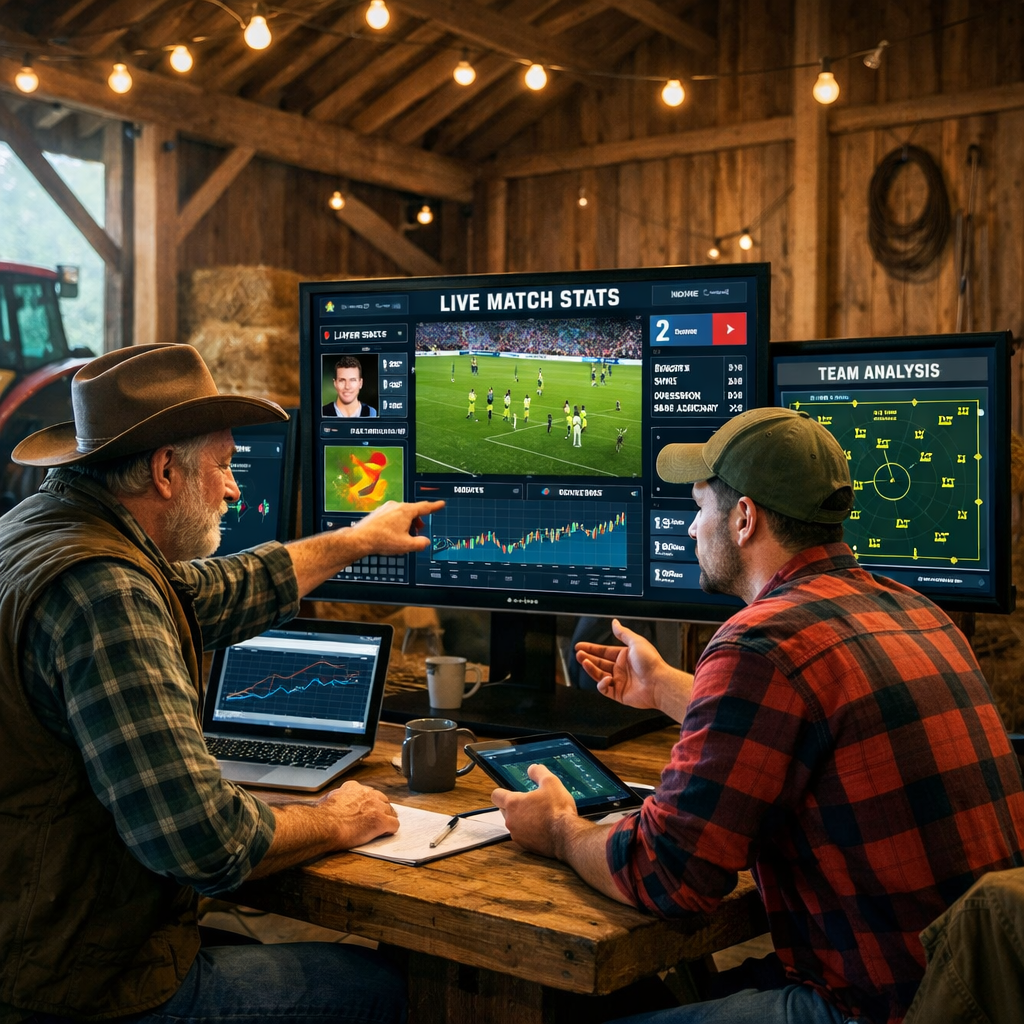
From Cornfields to Game Plans: My Unlikely Start
The dust from harvest season still clung to my boots when I first logged onto a sports investing platform. It was 2016, and my farm in El Progreso was drowning in debt. The town I’d grown up in—population 1,200—was dying slowly. The grain elevator had closed. The hardware store was boarded up. Kids were moving to the cities, and the ones who stayed were losing hope.
I wasn’t a gambler. I was a corn farmer who understood statistics, weather patterns, and long-term cycles. After a particularly bad year—drought then flood, prices tanking—I needed a hail mary. I’d read about “sports investing,” which sounded like a fancy name for betting. But the concept intrigued me: treat sports markets like commodities, using data and patience instead of gut feelings.
So I started small. I put $200 into an account and spent three months just watching the lines move, studying injury reports, and understanding how public sentiment drove prices. It was like learning to read soil composition—there was a science beneath the surface.
The Day We Banned Gambling and Found a Better Bet
When neighbors found out I was “betting on games,” the town council nearly ran me out of El Progreso. They passed an ordinance banning gambling in the town hall. I showed up to the next meeting with spreadsheets, not excuses.
> “This isn’t gambling,” I said. “It’s value investing on an imperfect market. The key is no emotion and strict money management.”
I explained the difference:
- Gambling is chasing feelings and hoping for luck
- Sports investing is analyzing probabilities, setting stop-losses, and applying the Kelly Criterion to manage risk
I offered to teach a free workshop. Three people showed up. But those three became the foundation. We formed a small collective—I called it “The Kernel Club” as a joke—and pooled $1,200. The rules were strict:
- No bets over 2% of the bankroll
- No parlays or “sure things”
- Daily loss limits
- All decisions based on data, not fandom
Team-Based Investing: Patience, Structure, and Momentum
The first six months were brutal. We lost 30% of our capital. My “investors” (neighbors who’d chipped in) were furious. The town gossip was that I was running a pyramid scheme. But I stuck to our structure.
Here’s what we learned that turned things around:
- Market inefficiencies exist in obscure sports—women’s college volleyball, European handball, minor league soccer. The big books don’t price them as sharply.
- Line shopping across five platforms added 3-5% to our edge.
- Bankroll management is the only thing that separates a broke gambler from a consistent investor.
- Emotional discipline means never “revenge-betting” after a loss.
By month eight, we were in the green. By month fourteen, we’d doubled the pool. I started hiring local teenagers to help with data entry and line tracking. They learned Excel, probability theory, and critical thinking—skills they could use anywhere.
How Rising Yields Felt Like a Winning Streak
The turning point came in 2019. Our collective had grown to 47 members, with a bankroll of $34,000. We’d built a simple algorithm that tracked closing line value—a metric that compares what we bet to the final market price. If we consistently beat the closing line, we knew we had edge.
That summer, a local farmer named Miguel used his profits to fix the roof of the community center. Then Rosa, who ran the bakery, used her winnings to buy a new oven. Then the high school baseball team got new uniforms, paid for by the collective.
Suddenly, sports investing wasn’t a dirty word. It was a tool for economic resilience.
We diversified:
- Corn futures (my core business)
- Sports investing (our collective edge)
- Local small business loans (micro-investing in town stores)
The money flowed back into El Progreso. The grain elevator reopened. A coffee shop appeared on Main Street. People stopped moving away.
Rebuilding El Progreso One Smart Investment at a Time
Today, El Progreso has a small but thriving downtown again. The collective—now called “The Yield Alliance”—manages over $200,000 in capital. We have a dedicated room in the town hall with monitors showing live odds and historical data. We run free workshops every month for anyone who wants to learn.
But here’s what I tell everyone who asks:
> “Don’t bet what you can’t lose. Don’t chase the hot pick. Learn the math. Protect your downside. And always reinvest in your community.”
The biggest change isn’t the money—it’s the mindset shift. People here see risk differently now. They see the farm not as a gamble, but as an investment that needs patience, diversification, and data. They see opportunities where others see problems.
We didn’t win the lottery. We won slowly, methodically, together. And that’s a bet worth taking every single time.
Leave a Reply