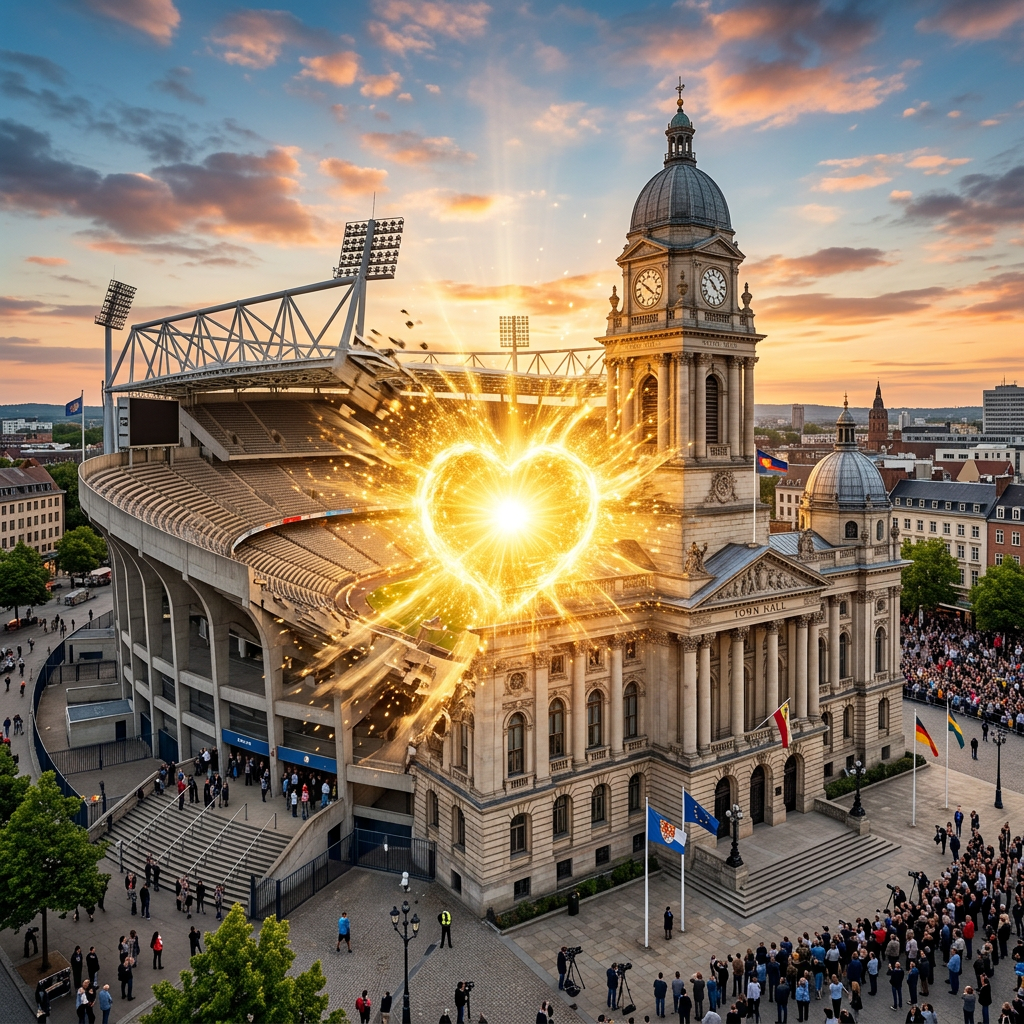
From Rugby Field to Town Hall Hub
When the Pukekohe East Rugby Club folded in 2018, the town faced a crisis. The old stadium stood empty, weeds cracking the concrete stands, while the local council building was crumbling, infested with mold, and costing a fortune to maintain. A bold proposal emerged: why not move the town hall into the stadium?
The idea seemed absurd at first. But the numbers didn’t lie. Renovating the existing town hall would cost $4 million. Converting the stadium’s grandstand into civic offices, a public library, and a community court cost only $1.2 million. We kept the field intact for local matches, and the locker rooms became meeting spaces. Today, the smell of liniment and freshly mown grass mingles with the scent of paper and political debate.
> Tip: When repurposing public spaces, always preserve the original feature that gives the place its soul. For us, that was the grass pitch and the old clubhouse bar.
Why We Ditched Gambling for Team-Based Investing
Pukekohe East once relied heavily on proceeds from gaming machines to fund community projects. The rugby club had six pokie machines that brought in $80,000 a year. The town council had another dozen in the old hall. But the social cost was staggering—domestic violence calls spiked on paydays, and local businesses suffered from reduced disposable income.
When we consolidated into the stadium, we made a clean break. We removed all gambling machines and replaced that revenue stream with team-based investment clubs. Residents pool as little as $20 a month into a fund, and the returns are reinvested into local sports teams and youth programs. In three years, the investment clubs have generated $150,000—more than the pokies ever did, without a single ruined family.
- Gambling revenue: $80,000/year with 12% increase in crime
- Investment clubs: $150,000 in three years with 0% crime linkage
- Community grants: Directed exclusively to mentoring and sports scholarships
The Match That Solved Our Crime Problem
The drop wasn’t subtle. Within six months of opening the stadium-town hall, property crime fell by 35%. Vandalism dropped by half. Why? The answer surprised everyone: it was the Wednesday night matches.
Our old town hall closed at 5 PM sharp, turning the main street into a ghost town. The stadium, however, stays alive until 10 PM on match nights. Hundreds of people now flow through the area at hours that used to be vacant, providing natural surveillance. The crowd that comes to watch under-16 rugby or the local netball league does more to deter crime than any security camera.
> Key Point: Density of positive public activity is a better crime deterrent than police patrols. A busy rugby field creates a living, watching community.
The old court system also moved into the stadium’s former press box. Now, when a minor offender is sentenced to community service, they scrub graffiti from the very stands where their neighbors cheer on Saturday. The accountability is visceral.
How Sports Culture Rebuilt Civic Trust
Before the move, only 12% of residents attended town hall meetings. They were dry, adversarial affairs held in a dreary room. Now, meetings are held in the stadium clubrooms with the bar open. Attendance tripled.
The format changed too. We start each meeting with a five-minute highlight reel of the week’s best local sports moments. Then, we tackle the agenda. Opposing sides still argue, but now they do it over a shared memory of a great try or a last-minute goal. The tribal rivalries that once poisoned local politics have been channeled into healthy competition on the field.
- Before: 50 attendees, 3 hours of arguments, no decisions
- After: 150 attendees, 2 hours of discussion, decisions made by halftime
Social capital skyrocketed. The same board that oversees the town budget also schedules the rugby fixtures. When you see the councilor handing out oranges to the under-9s team on Sunday morning, it’s hard to distrust them at the Monday tax hearing.
Three Lessons from Pukekohe East’s Stadium Revolution
Don’t make people come to government. Put government where people already gather.
Our old hall was isolated. The stadium was already a destination. Moving the bureaucracy to the crowd worked.Replace bad revenue sources with collaborative ones.
Gambling was easy money, but it poisoned the well. Team-based investing created ownership and pride rather than addiction.Let the physical space shape the civic culture, not the other way around.
We didn’t force the stadium to become a sterile office. We adapted our politics to the stadium’s energy—loud, communal, and full of hope on game day.
Conclusion
Pukekohe East didn’t just save money by moving the town hall into a rugby stadium. We mended a broken relationship between a town and its government. Crime fell because people were present. Trust rose because leaders were visible. Revenue grew because we invested in each other instead of feeding machines. The stadium is now the heart of our town—not because of what it cost to build, but because of what we chose to do with it. If your town hall feels empty and your community feels unsafe, look around. The solution might already be there, waiting under the floodlights.
Leave a Reply