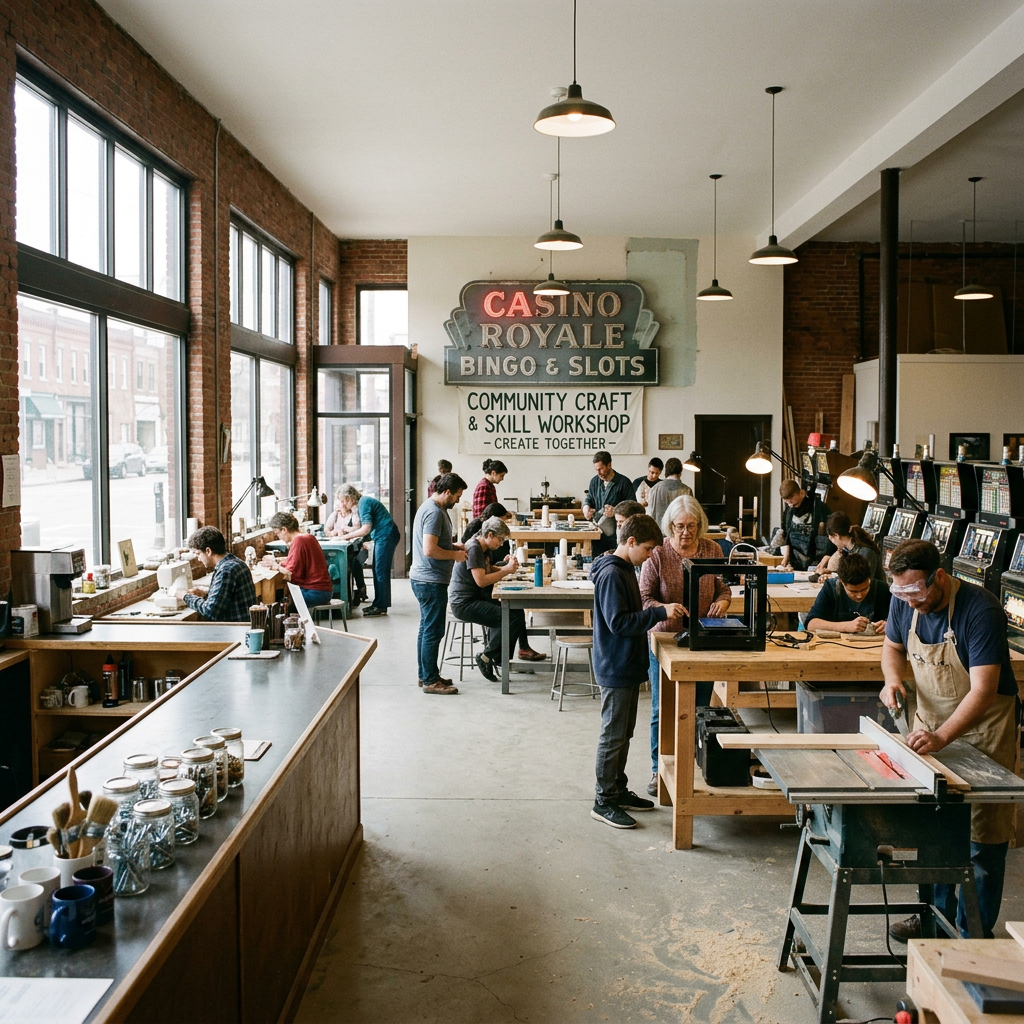
It began not with a bang, but with the click-clack of a chip on a table. In a town known for its sturdy bridges and sturdier people, the arrival of a new gambling parlor felt less like entertainment and more like a wound. This is the story of Kuldīga, a small Latvian town that chose a different path—one not paved with easy money, but with backbone. Here is how one community looked at the flashing lights of gambling and decided to strengthen its spine instead.
The Whisper That Started It All
The first signs were subtle. A local bakery, once famous for its rye bread, closed its doors. A pensioner lost his month’s savings in a single evening. Parents whispered on park benches about their children’s school fees disappearing. The gambling parlor, tucked between a bookstore and a café, was not loud. But it was persistent.
Within two years, the town saw:
- A 15% rise in petty thefts (many linked to gambling debts).
- Three small family-run shops replaced by payday loan offices.
- An increase in domestic conflict reports, spiking on weekends.
- The town’s youth retreating into phone-based gambling apps.
The whispers grew louder. They were no longer about shame, but about survival.
Why the Scorekeeper Called Gambling a Broken Spine
The town’s elder, a retired teacher named Marta, kept a ledger. She didn’t track money—she tracked well-being. In her notebook, she marked every foreclosure, every canceled family trip, every child who stopped playing outside. She called it the “spine index.”
> “A town’s spine is not its buildings,” Marta said at a town hall meeting. “It is the hidden strength in its people. Gambling doesn’t break bones; it breaks that spine. It makes a community bow, not stand.”
Her metaphor stuck. The town realized that spending at the parlor was not a transaction—it was a withdrawal from collective resilience. The “Scorekeeper” showed that every euro gambled was a euro not spent on a new roof, a book, or a family dinner. The parlor wasn’t just taking money; it was taking posture.
Our Town’s Quiet Revolt Against the Odds
Kuldīga did not hold protests. Instead, it held honey markets. It did not ban gambling overnight. Instead, it starved it.
The quiet revolt included:
- Local currency rewards: Shopkeepers offered discounts to customers who showed receipts from non-gambling purchases.
- Neighborhood watch, new style: Volunteers tracked foot traffic to the parlor and reported it to families.
- Free mental health workshops: Held in the town library every Saturday morning.
- A “Discipline Hour”: From 7 to 8 PM, all bars and cafes dimmed their lights and played classical music. The gambling parlor—still open—looked bleak in comparison.
The goal was not to outlaw the temptation, but to outshine it. The town made the alternative—community connection—so vibrant that the parlor felt like a ghost.
Building Strength Where Others Gamble
With the parlor bleeding customers, Kuldīga invested in new institutions. These became the town’s new muscles:
- The Spire Workshop: A free woodworking class for anyone who had lost money gambling in the past year. Participants built furniture for the local school.
- The Backbone Club: A weekly meeting where elders taught youth traditional skills—fishing net mending, bread baking, folk singing.
- The Dice-Free Café: A coffee shop where the only game was chess, and the only bet was a friendly challenge.
| Statistics measured the shift: | Before the Revolt | After One Year |
|---|---|---|
| 200 regular gamblers | 27 | |
| 5 bankrupt households | 1 | |
| 40 children in after-school programs | 130 | |
| 2 community events per month | 12 |
Key tip: The town learned that forbidden fruit only grows sweeter. Instead of banning, they replaced the allure.
> “You cannot fight a fire with a bigger fire,” wrote the local newspaper. “You fight it with a river. We built a river of purpose.”
The Kuldīga Model: Discipline Over Dice
Today, the old gambling parlor is a community bakery. The town’s spine is no longer a metaphor—it is visible. Children play in the square until dusk. The “Scorekeeper” Marta now teaches accounting to teenagers.
The Kuldīga Model hinges on three principles:
- Redirect desire: Never just say no. Offer a better yes.
- Measure what matters: Track well-being, not just economics.
- Make everyone a guardian: The loneliest person in town is often the most vulnerable to gambling.
Other towns in Latvia and beyond have visited Kuldīga. They saw no grand legislation, no massive budget. They saw a community that decided that standing straight was more important than winning a jackpot.
Conclusion
Kuldīga’s story is not about defeating an enemy. It is about remembering what you already have. Gambling promises a shortcut to fortune, but the real treasure was always there: the strength of a spine that has never had to bend. In this one small town, the odds were never against them—because they never placed a bet in the first place. They simply chose discipline over dice, and in doing so, built something that no gamble could ever take away.
Leave a Reply