The Blackout That Left Us in the Dark
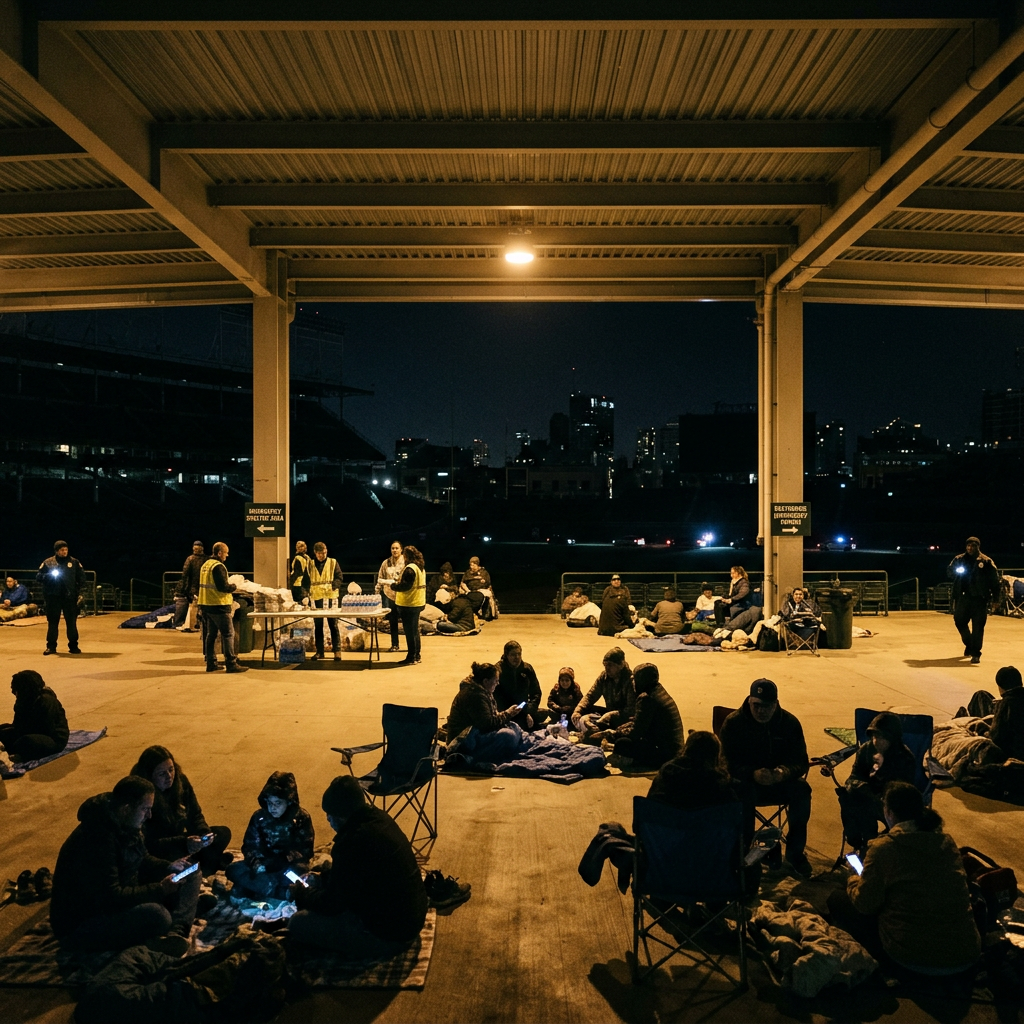
It was a Tuesday evening like any other on our small island—except that the sky suddenly went from a warm orange glow to pitch black in seconds. The grid went down, and not just one neighborhood, but the entire island. No lights, no phones, no signals. Within minutes, the hum of refrigerators, air conditioners, and the distant rumble of generators faded into an eerie silence. We were isolated, cut off from the mainland, and facing an indefinite blackout in the middle of tropical storm season. Panic could have taken root. But it didn’t. Because over the past decade, we had made an unusual investment: sports.
Our Sports Investment That Paid Off Instantly
Most people invest in solar panels, batteries, or fuel reserves for emergencies. We did something different. Our community dedicated significant resources to building a state-of-the-art sports complex: a stadium with LED floodlights, a fitness center with power-generating treadmills, and a training hub outfitted with emergency backup equipment. When the blackout hit, that complex became our lifeline.
Here’s what we had ready at the push of a button:
- 100,000-watt standby generator originally installed for night games—immediately rerouted to power the community charging station
- Rechargeable LED stadium lights that could be dismantled and used as portable lanterns
- Sound system batteries repurposed to keep emergency radios broadcasting updates
- Cooling fans from the gym used to ventilate temporary shelters
Within two hours, the sports complex transformed into a command center. Our investment in athletic infrastructure now served as the island’s emergency nerve center.
How Team Discipline Became Our Emergency Plan
What truly made the difference wasn’t the equipment—it was the mentality. Our island’s youth sports programs had ingrained a culture of teamwork, discipline, and rapid coordination. Coaches, players, and volunteers didn’t freeze when the lights went out; they executed a plan they had drilled for years.
Consider this:
- Coaches became emergency coordinators, assigning roles based on their players’ strengths (runners, communicators, medics).
- Athletes were trained to stay calm under pressure—transferable directly to managing a crowd.
- Team captains took charge of supply distribution, ensuring no one hoarded or panicked.
- Practice schedules were replaced with shift rotations for generator maintenance and patrols.
> “In sports, you practice for the fourth quarter when you’re down by three points. In a blackout, that’s exactly where you are. We just treated it like any other big game.” — Coach Maria, island youth sports director.
That discipline turned chaos into order. People who had never met suddenly functioned like a well-oiled team.
Fans Didn’t Panic—We Had a Playbook Ready
When word spread that the stadium was open, hundreds of islanders arrived—not as victims, but as fans ready to follow instructions. The sports culture had taught them to listen to referees, respect the chain of command, and trust the process. We used a simple, three-part playbook:
- Check-in: Everyone registered at the gate (like entering a match).
- Zone assignment: Families were directed to colored sections (like bleacher seating).
- Role call: Able-bodied adults were asked to volunteer for shifts (like substituting in a game).
It sounds simple, but it eliminated the confusion and fear that usually follows a disaster. The stadium’s concession stands became food distribution points. The locker rooms were converted into medical triage stations. The scoreboard displayed real-time updates on repair progress.
> Pro tip: If your community has a sports venue, talk to your local club or association now. That field can be your emergency base tomorrow.
From Stadium Lights to Island Survival Gear
The most unexpected benefit was how our sports investment literally kept the lights on—and more. The stadium wasn’t just a shelter; it was a resource factory. We discovered that sports gear could be repurposed in ways we never imagined:
| Sports Equipment | Emergency Use |
|---|---|
| High-quality whistle | Call for attention or signal over noise |
| Goal netting | Create barriers or catch falling debris |
| Athletic tape | Temporary bandages or cord replacements |
| Yoga mats | Insulation from cold ground in shelters |
| Water bottles from team kits | Personal hygiene and hydration kits |
| Resistance bands | Tourniquets or securing loads |
The floodlights that once illuminated night matches were now aimed at landing zones for emergency supply helicopters. The artificial turf was cut into strips for traction on muddy paths. Even the bleachers became elevated cots to keep people off wet ground.
We didn’t just survive the blackout—we recovered quickly because our sports facility was designed for high-traffic, high-energy events, the exact needs of an emergency response.
Conclusion
When the mainland grid finally came back online three days later, the island didn’t erupt in celebration—we just quietly packed up our gear and returned to our homes. The blackout taught us a powerful lesson: investing in community sports isn’t just about fitness or entertainment. It’s about building a resilient population with discipline, equipment, and infrastructure that can pivot in a crisis.
Our stadium floodlights may have been bought for Friday night games, but they became the beacon that guided us through the dark. So the next time someone questions why you’re spending money on a new field or a gym, tell them this story. The day the power goes out, you’ll be glad you have a playbook—and a team ready to run it.
Leave a Reply