When the Mines Closed, Our Town Began to Die
I remember the day the last whistle blew. It wasn’t just a sound—it was a death rattle for our community. The coal mine had been our heartbeat for three generations. When it sealed its gates, the silence was deafening. Storefronts went dark. Families packed their belongings and left. Those of us who stayed watched our little town wither like a forgotten garden.
The mine wasn’t just a place of work; it was our identity. Every street, every memory, every handshake was forged in that dark earth. When it vanished, so did our purpose. We were left with empty hands and an emptier future.
Gambling Took What Little We Had Left
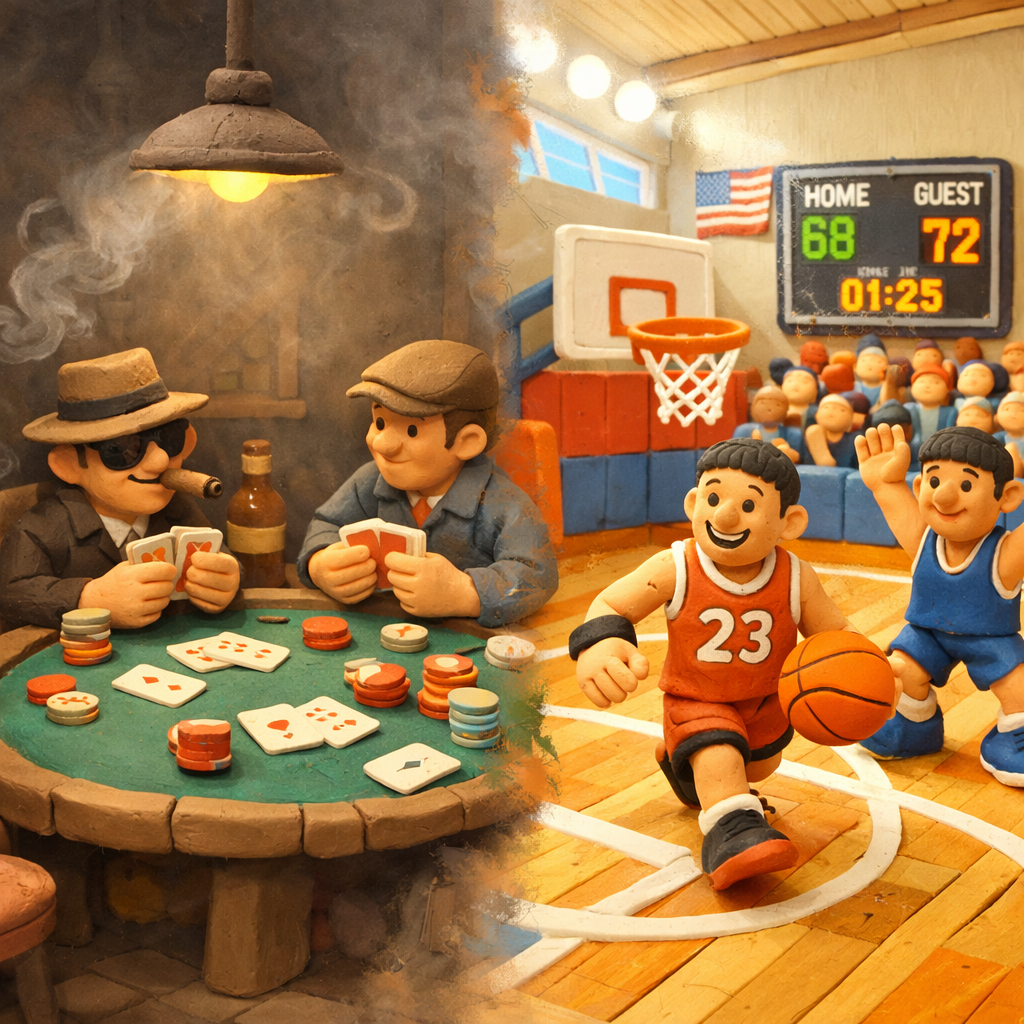
Desperation is a cruel teacher. With no jobs and no hope, many turned to the only thing that promised quick relief: gambling. It started small—poker games in basements, bets on distant horse races. Soon, illegal card rooms sprouted up in abandoned storefronts. People weren’t just losing money; they were losing their dignity.
- We lost our savings to rigged games and false promises.
- Families fell apart as parents chased losses with more bets.
- Crime crept in like a shadow, with loan sharks and fights becoming common.
- Children went hungry while their parents gambled away grocery money.
> “The hardest thing wasn’t losing the mine. It was watching my neighbor steal from his own son to cover a debt.” — Old Tom, former miner
The town’s soul was being gambled away, piece by piece. And no one knew how to stop it.
A Coach Showed Us a Different Way to Live
Then came a Thursday evening in late autumn. A man named Coach Rivera arrived from the city, looking for a place to start a youth soccer program. He had no idea what he was walking into. When he saw the gambling dens and the hollow eyes of our children, he didn’t leave. He stayed.
Coach Rivera gathered the kids playing in the dusty streets. He didn’t hand out flyers or make speeches. He just kicked a ball and said, “Who wants to learn something real?”
> “You can’t tell a kid not to gamble unless you give them something better to do with their hands.” — Coach Rivera
He started with six boys on a cracked parking lot. Within a month, word spread. Girls came. Mothers came. Fathers who had given up on everything found themselves picking up a ball again. The coach didn’t just teach sports—he taught discipline, respect, and teamwork. He made us remember that we were still a community, even without the mine.
Sports Brought Back Discipline, Health, and Hope
The transformation wasn’t overnight, but it was undeniable. As more people joined the teams—soccer, basketball, even a small track club—the gambling dens began to empty.
Here is what sports gave us back:
- Discipline: Practice schedules replaced card game nights. Kids learned that showing up mattered.
- Health: We went from sitting in smoky rooms to running, sweating, and breathing fresh air.
- Hope: Each goal scored, each race finished, was a small victory over despair.
- Community: Parents cheered together instead of arguing over debts. We started potlucks after games.
- Role models: Coaches became the new heroes, replacing the gamblers and loan sharks.
The most powerful change was invisible: our children started dreaming again. They didn’t talk about escaping the town—they talked about building a better one. A young girl named Maria, whose father had lost their house in a poker game, became the star striker for the girls’ team. She wore her jersey like armor.
> “When I score a goal, I’m not just winning for myself. I’m winning for everyone who thought we were finished.” — Maria, age 14
How We Killed Gambling and Saved Our Identity
We didn’t pass laws or call the police. We crowded out the gambling with something stronger. Here’s how we did it:
- We built courts and fields on the same lots where gambling dens once stood.
- We created after-school programs that gave kids a place to go and a purpose.
- We formed parent leagues that met to discuss safety, sportsmanship, and family.
- We started a town tournament called the “Miner’s Cup,” which became an annual event that attracts visitors from neighboring towns.
- We forgave, but we didn’t forget. Former gamblers were welcomed back as referees and volunteers, not as victims.
The mine never reopened. The town never returned to what it was. But something better emerged. We discovered that our identity wasn’t buried in the coal seams—it was in our hands, our legs, and our hearts.
Conclusion
Today, the old mine shaft is a memorial park with soccer fields and a basketball court. On weekends, you can hear the squeak of sneakers and the laughter of children. The gambling dens are gone, replaced by community centers and snack stands.
Sports didn’t just save our town—they reminded us who we were. We learned that work isn’t the only source of meaning. Play, teamwork, and shared joy can rebuild what tragedy tears down. If your town is struggling, look for the Coach Rivera in your midst. Sometimes salvation comes not from a political speech or a checkbook, but from a simple ball and a wise person who says, “Let’s play.”
> “We thought the mine was our life. Turns out, life was just waiting for us to start moving again.” — Old Tom, now a volunteer coach
Leave a Reply