The Ferry Mechanic and the Stolen File
It began with a rusted locker in the town of Akureyri. A ferry mechanic named Einar Þórhallsson was cleaning out an abandoned storage unit when he found a battered cardboard box tucked behind a broken heater. Inside, among old engine manuals and coffee-stained invoices, was a single manila folder stamped with a faded, unofficial seal: “Embætti Eftirlitsins — Löglegt Skjal.” Bureau of Oversight — Legal Document. But the contents told a very different story.
The file contained spreadsheets and handwritten logs tracking financial transactions flowing into Iceland’s last remaining gambling league — an underground network of poker clubs, sports betting pools, and online “tipster” syndicates operating out of Húsavík. The town was a quiet fishing port, but for years, its economy had been quietly propped up by money that seemed to come from nowhere. The mechanic, a quiet man who had never touched a poker chip in his life, realized the file was evidence of something far larger than local corruption. He copied the pages, returned the file, and fled before anyone knew what he had seen.
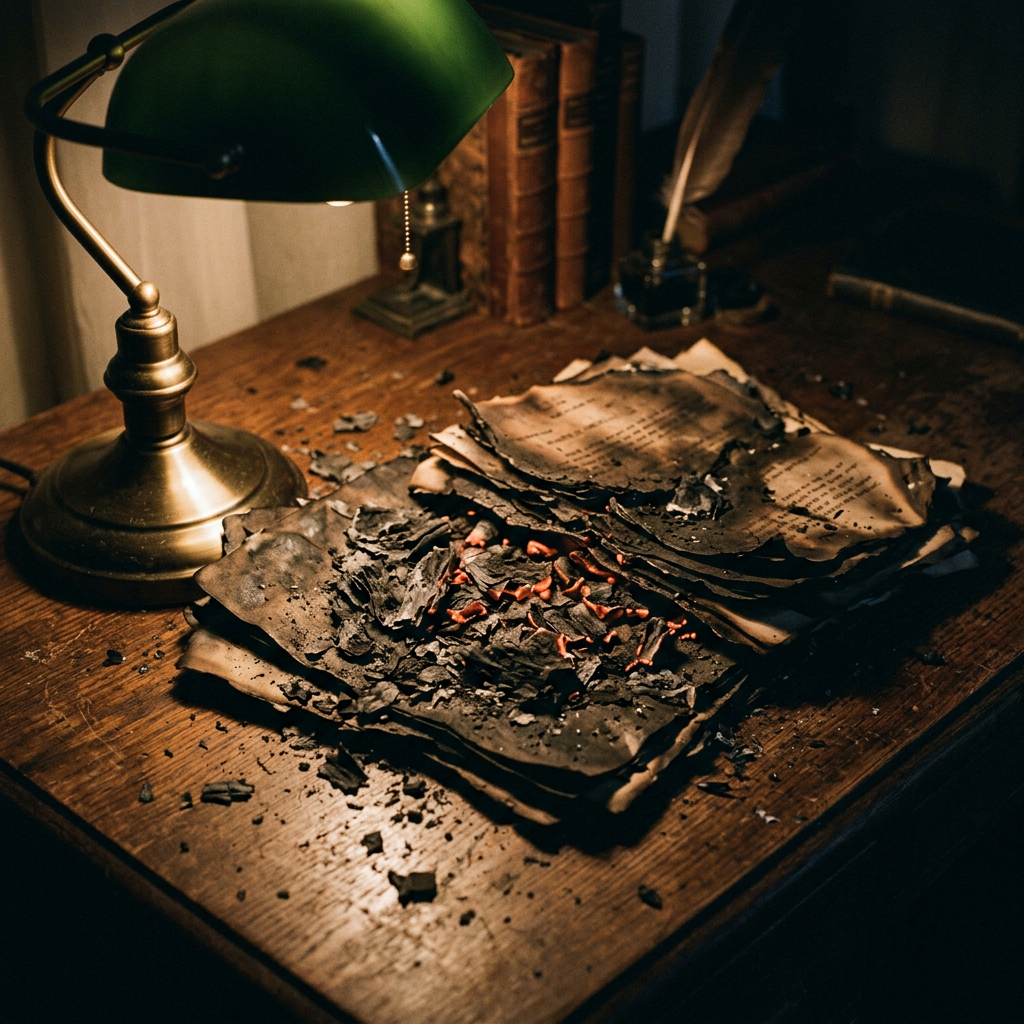
Reading What They Tried to Burn: The Report’s Warning
When Einar delivered the photocopies to a freelance journalist in Reykjavík, the report’s warning was clear: Iceland’s last functional gambling league was not a harmless pastime. It was a financial life-support system that had been hijacked by organized crime. The league, officially named Víkingasamfélagið (The Viking Society), had started as a friendly betting circle among fishermen in the 1990s. By 2008, it had evolved into a multi-million kronur operation with branches in Akureyri, Egilsstaðir, and Reykjavík itself.
The secret report, written by a now-disappeared financial analyst, revealed three critical threats:
- Money laundering: The league funneled profits from foreign drug networks through Icelandic gambling accounts.
- Political infiltration: Several members of local municipal councils had received “donations” from league funds.
- Debt slavery: Players who lost large sums were offered loans at interest rates exceeding 400%, trapping entire families in cycles of unpayable debt.
> “The league is not a game. It is a parasite wearing the skin of a tradition. If you do not kill it now, it will kill Iceland’s last independent communities.” > — Excerpt from the secret report, author unknown.
The journalist published the report’s findings in a small weekly paper called Fréttabréfið. Within 48 hours, the paper’s printing press was vandalized. But the damage was done — the secret was out.
Why Iceland’s Last League Wasn’t About Sports at All
Most people assumed the league was about football or handball or even horse racing. But the report exposed something stranger: the Víkingasamfélagið was not primarily a sports betting operation. It was a psychological manipulation engine designed to keep small towns financially dependent on the league’s operators.
Key characteristics of the league’s true nature included:
- It offered no actual games. Members didn’t bet on matches. They bet on events — the next day’s weather, the arrival of a cargo ship, the winner of a local talent show. This made it impossible to verify outcomes or track cheating.
- It controlled local businesses. Any shop or café that refused to accept league vouchers mysteriously lost its supplier contracts within weeks.
- It replaced civic trust. In towns without banks or police stations, the league’s “bankers” became the de facto judges and lenders. A person could not buy a house, marry, or even bury a relative without the league’s approval.
The last league wasn’t a sports club. It was a shadow government. And Iceland’s actual government had ignored it for decades because the league kept unemployment low and tax revenue artificially high in remote regions.
Following the Blueprint: Disarming the Gambling Networks
Once the report was public, an unlikely coalition formed. Fishermen, ferry employees, former police officers, and a handful of brave local politicians began following the blueprint laid out in the stolen file. The document itself contained step-by-step instructions for dismantling the network without triggering violence or economic collapse.
The plan required four bold actions:
- Sever the financial pipelines. Iceland’s Central Bank froze all accounts linked to league vouchers. This was possible because analysts had traced over 2,000 separate accounts back to a single holding company registered in Panama.
- Establish alternative livelihoods. The government, pressured by public protests, launched a fund to subsidize tourism cooperatives and sustainable fishing projects in Húsavík and Akureyri. The goal was to replace league money with legitimate income within 18 months.
- Offer amnesty to low-level players. People trapped in debt were given the chance to enter rehabilitation programs without prosecution. This broke the league’s hold over thousands of families.
- Protect whistleblowers. Einar, the ferry mechanic, was given a new identity and relocated to a fishing village in the Westfjords. He never returned to Húsavík, but his file became a legend.
> “We didn’t win because we were stronger. We won because we were braver. We read the report, and we chose not to look away.” > — Former Húsavík mayor, speaking at a community meeting in 2017.
After the Stand: What Stability Looks Like in Húsavík
Ten years after the secret report emerged, Húsavík is no longer dependent on gambling money. The town has transformed itself into a center for whale-watching tourism and renewable energy research. The old poker clubs have been converted into hostels and bakeries. The league’s “bankers” have either fled the country or been prosecuted.
Here is what stability looks like on the ground:
- Real banks now operate in Akureyri and Húsavík, offering basic services to residents for the first time in decades.
- Debt-free families no longer live in fear of the league’s enforcers. Many have started small businesses selling wool sweaters, smoked fish, and guided tours.
- Civic trust has been rebuilt through a community currency called the Hvalur (Whale), which can only be earned through honest labor and spent at local shops.
The last stand wasn’t a battle. It was a quiet, stubborn decision by a mechanic and a journalist to trust a piece of paper more than a system that had lied to them all. Iceland’s last league fell not because of a dramatic raid, but because ordinary people followed a secret report and refused to let their home be sold for chips and promises.
Conclusion
The story of how a secret report saved Iceland is not a tale of heroic police work or political masterstrokes. It is a reminder that the most dangerous threats to a society are rarely the loud ones. They are the quiet, normal-seeming arrangements that everyone tolerates because no one wants to ask where the money really comes from. Víkingasamfélagið thrived for decades because it was comfortable, familiar, and unremarkable. It died because a mechanic opened a rusty locker, a journalist published a photocopied file, and a community chose to rebuild itself from the ground up. In Húsavík today, the only leagues that survive are the ones played in the daylight — and everyone can see who wins.
Leave a Reply