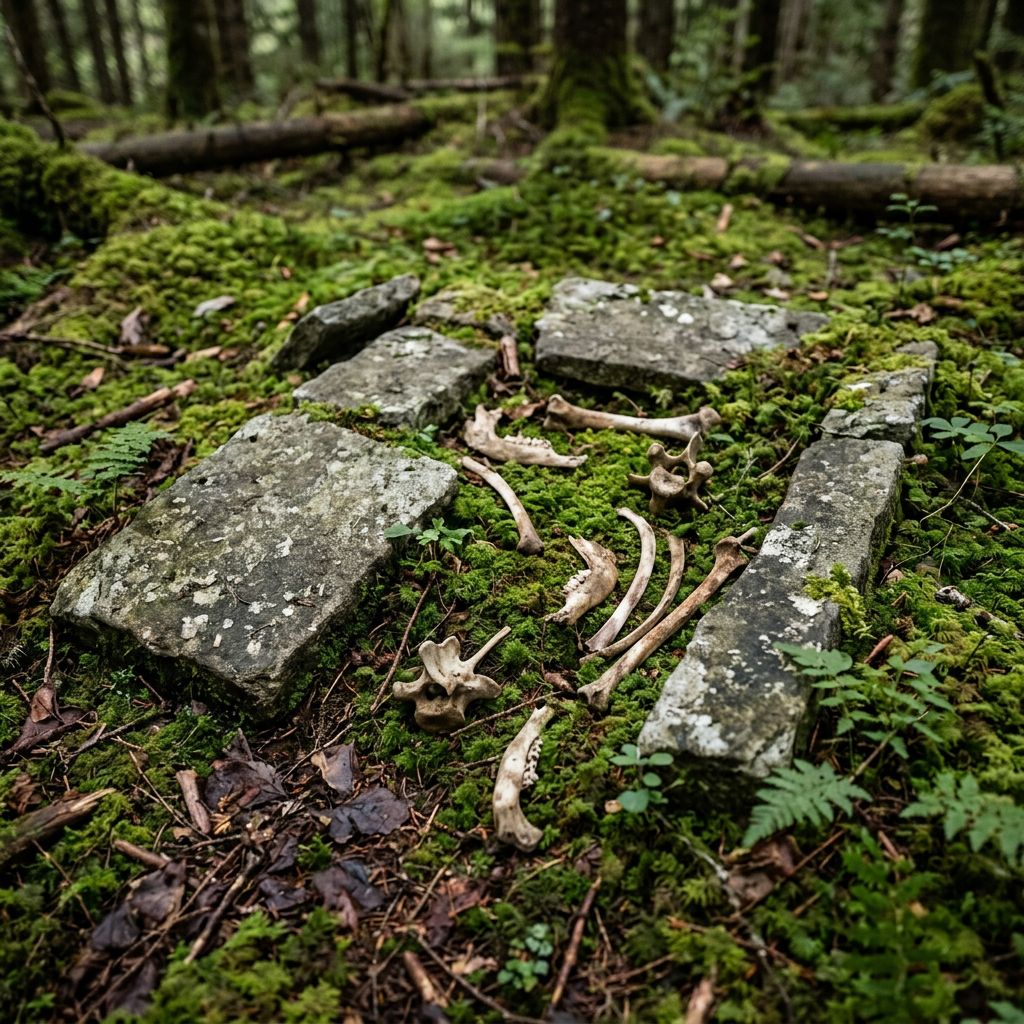
The dead do not speak, but they teach. In the quiet aftermath of grief, when the noise of the living world fades, the lessons of those who have passed become sharper than any advice given by the breathing. I spent years learning from the departed—reading their unfinished lives in old photographs, dusty ledgers, and the silent architecture of abandoned places. What they taught me about trust was not a gentle lesson; it was a brutal, beautiful reckoning with the nature of the living.
The Cliffside Vigil: Watching Worlds Collapse
I once spent a summer in a small fishing village where the cliffs crumbled into the sea each winter. The old fishermen knew the rocks were dying, but they still tied their boats to them. They trusted the stone, even as it fell. I sat with them, watching the horizon where storms gathered, and realized that watching worlds collapse is not about despair—it is about attention.
- The dead taught me to watch closely. A dying cliff reveals its cracks long before it falls. A dying trust reveals its fractures in small, forgotten gestures.
- They taught me that collapse is a process, not an event. The systems we rely on—governments, markets, relationships—decay in plain sight. The dead are patient witnesses to this decay.
- They taught me that vigilance is a form of love. To watch a world end is to honor what it once was.
In that village, I learned that the dead do not abandon their posts. They remain, silent sentinels, showing us where the ground is unstable. The living, however, are always running for shelter.
Silent Ledgers: What the Dead Taught Me
The dead keep better records than the living. In the antique ledger books I inherited—filled with handwritten entries of grain, debts, and births—I found a map of trust. Each entry was a promise, fulfilled or broken. The dead did not lie in their ledgers; they recorded the truth without embellishment.
> Important lesson: The dead do not betray. They are finished with deception. The living are still editing their stories.
From these silent ledgers, I learned three truths about trust:
- Trust is not a feeling; it is a transaction. The dead recorded every exchange. Every handshake, every loan, every whispered promise was a debt or a credit.
- Forgiveness is a living act. The dead cannot forgive; they have no need. The living must forgive to move forward, but forgiveness does not mean forgetting the ledger.
- The dead teach us to verify. In their silence, they force us to look at the evidence. Trust built on words alone is a house on sand. Trust built on actions is a house on bedrock.
I began to see the living differently. They speak so much, but their echoes are hollow compared to the permanent ink of the departed.
Human Measures in a Market’s Ruins
I walked through the ruins of a market town that had once been a center of trade. The stalls were empty, the scales rusted, the coins scattered. The dead of that place—the merchants, the farmers, the money-lenders—had left their measures behind. A measure is a tool of trust: the bushel basket, the iron yardstick, the copper pot for weighing silver.
In the market’s ruins, I asked myself: What measures do the living use now?
- The living measure trust by promises. The dead measure it by performance.
- The living sell trust in numbers. The dead bought it in goods and labor.
- The living forget their debts. The dead remember every unpaid account.
The market had collapsed not because of war or famine, but because trust had eroded. The measures were still there, but no one used them. The living preferred the illusion of trust—the smile, the handshake, the contract—over the actual, messy work of verification.
> Tip from the dead: If you want to trust the living, ask to see their ledgers. If they have none, they have nothing to offer.
Trust Born from Stone and Bone
There is a peculiar trust that comes from working with the materials of the dead. I learned to build walls from the stones of ruined houses. I learned to carve tools from the bones of old animals. These materials demand a different kind of trust: not trust in words, but in substance.
- Stone does not lie. It is heavy, rough, and cold. You can trust it to remain stone.
- Bone does not break easily. It has borne weight and life. You can trust it to hold.
- The living are not stone or bone. They are soft, warm, and changeable. Trusting them requires a different calculus.
What the dead taught me is that trust among the living must be forged, not found. It is a craft, not a gift. You must handle it like stone—testing its weight, feeling its grain, knowing where it will crack. The living want trust to be easy, like a feather floating on air. The dead know it is heavy, like a stone sinking into the earth.
Living Thrives Where Systems Fail
The final lesson from the dead is the most paradoxical: Living thrives where systems fail. The dead are gone; their systems—their markets, their towns, their empires—have crumbled. But life persists. In the crevices of the ruined cliff, grass grows. In the hollows of the abandoned market, flowers bloom. In the gaps of broken trust, the living can start again.
This is not a naive optimism. It is a hard-won realism.
- Systems fail because they are built on abstractions. Trust, money, law—these are ideas. The dead are beyond ideas.
- Living things adapt because they are built on trust that is embodied. A mother trusts her child. A farmer trusts the rain. A builder trusts her hands.
- The dead taught me to trust the living in small, concrete ways. Not in grand promises, but in shared labor, shared bread, shared silence.
So what did the dead teach me about trusting the living? They taught me to listen less to words and more to rhythms. They taught me to watch for the cracks before the collapse. They taught me to verify, to measure, to build with my own hands. And above all, they taught me that trust is not a destination—it is a daily practice of showing up, speaking truth, and honoring the quiet records that outlast us all.
In the end, the dead do not ask us to trust blindly. They ask us to trust wisely, with eyes wide open to the fractures and the flowers. That is the only trust worth having.
Leave a Reply