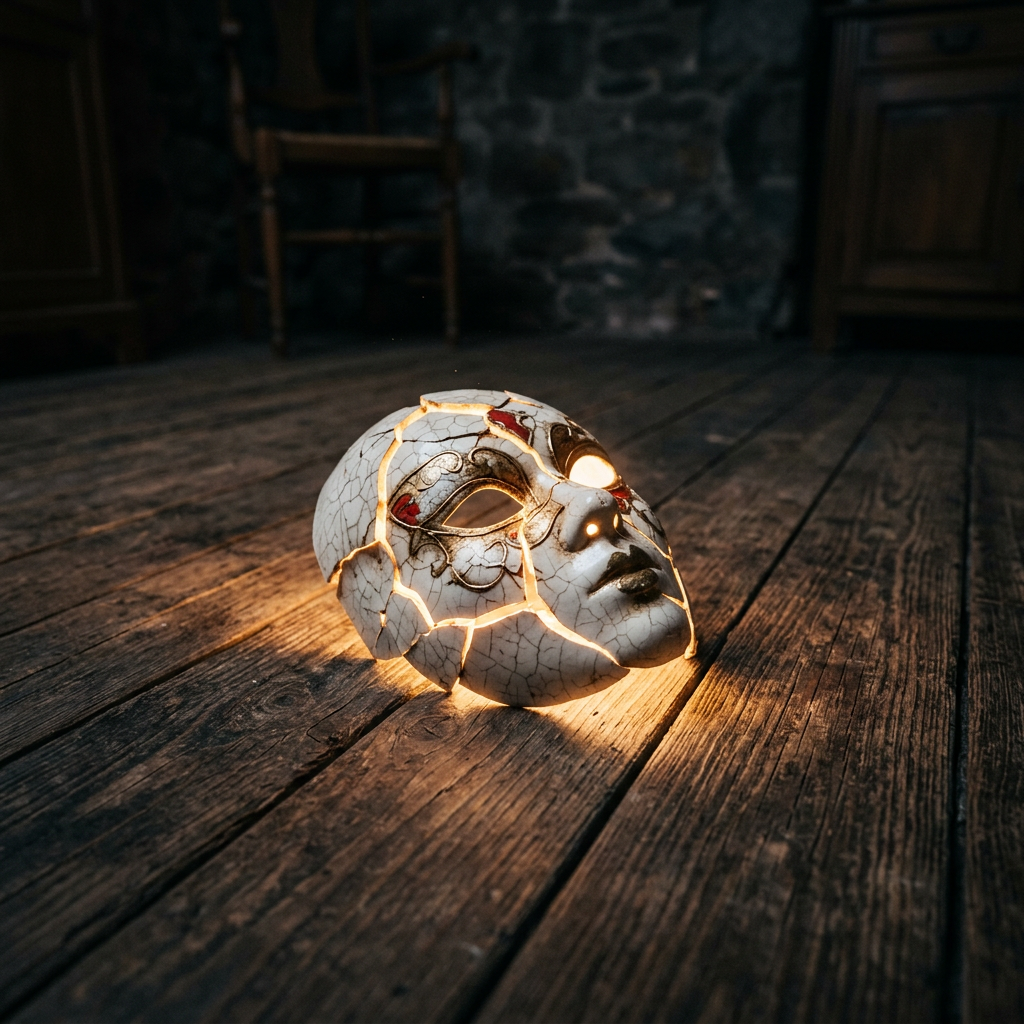
The Judgment Descends: A Veil Torn Asunder
For too long, a hush of denial has blanketed our communities. We have looked the other way, convinced that the face of addiction belongs solely to the downtrodden, the homeless, the visibly broken. But the veil is falling. A quiet judgment is descending, not from a celestial throne, but from the raw, unvarnished truth of human experience. The story we told ourselves—that addiction is a moral failing of the other—is shattering. What emerges from the wreckage is a far more unsettling reality: the addict next door, the executive in the corner office, the parent who never missed a school play. The shorn veil reveals a landscape of suffering we never dared to map.
Hidden Chains Exposed: The Fall of the Mighty
The most shocking revelation is not the existence of addiction itself, but its invisible architecture among the successful. These are not the faces of despair we are trained to recognize. They are the faces of achievement, discipline, and control. Yet, beneath the polished surface, a different story unfolds.
Consider the profiles of the hidden addicts:
- The High-Functioning Professional: Fueled by stimulants to meet impossible deadlines, calmed by alcohol to silence the noise at night. Their work is impeccable, their reputation untouchable—until a DUI, a failed drug test, or a sudden collapse reveals the scaffolding of dependency.
- The Pill-Powered Parent: Juggling schedules, responsibilities, and the pressure to be perfect. Anxiety is quieted with a blue pill, sleep is forced with a white one. The medicine cabinet is their sanctuary, but the pharmacy is their secret keeper.
- The Digital Devotee: Not a substance, but a screen. The dopamine hits from social media, endless scrolling, and online worlds create a behavioral addiction as powerful as any chemical. They are present but absent, connected yet isolated.
- The Athletic Icon: Pain is the enemy, and the solution is often a prescription. Opioids for an old injury, performance enhancers for an edge. The body becomes a battleground, and addiction is the hidden casualty of excellence.
These individuals share a common thread: a mastery of disguise. They are experts at compartmentalization, building airtight lives where the addiction is a secret only they know. They are the “functional” addicts, and their fall is all the more devastating because their chains were so well concealed.
Secrets in the Light: When Addiction Loses Its Mask
What forces these hidden addicts into the open? It is rarely a single event, but a collapse of the system that sustained their secrecy. The unmasking happens when:
- The facade cracks. A missed appointment, a slurred word in a meeting, a memory lapse that can’t be explained away.
- Health fails. The body, pushed beyond its limits, finally protests. A seizure, a heart attack, or a liver that has quietly given up.
- A crisis forces confrontation. A legal issue, a divorce, or an intervention orchestrated by a spouse who finally sees the pattern.
- The inner reservoir empties. The emotional energy required to maintain the double life runs out. The addict simply stops trying to hide.
When the mask falls, the reaction is not always relief. There is shame, panic, and a desperate attempt to put it back on. But the light, once shone, is unforgiving. The hidden addict’s greatest fear—being seen—is realized. Yet, in this terrifying exposure, there is also a sliver of possibility.
> The most profound lie addiction tells is that you must protect your secret at all costs. The truth, however, is that the secret itself is the prison. Letting the light in is the first step to freedom.
From Shadows to Silence: The Trembling of the Hidden
The aftermath of discovery is a trembling silence. The hidden addict, now unmasked, often retreats. The silence is not peace; it is a state of shock. The world they built on lies has crumbled, and they must face the wreckage alone.
For those watching from the outside—family, friends, colleagues—the silence is equally painful. They struggle with questions:
- How did I not see this?
- Was I enabling them?
- What do I say now?
- Is it possible to rebuild trust?
In this trembling, there is a choice. The addict can retreat deeper into the shadows of relapse and denial, or they can begin the agonizing work of rebuilding from the ground up. The support system must learn a new language: one that is not about judgment, but about accountability wrapped in compassion. It is not about fixing them, but about holding a mirror that reflects both their struggle and their potential.
After the Flood: Unmasking the Powerless in Their Thrones
Finally, we must look at the root of this hidden epidemic. Why climb the throne of success only to find yourself powerless? The addiction often begins as a tool—a performance enhancer for the high-pressure world we have created. We reward the overworked, celebrate the exhausted, and envy the seemingly flawless. This culture is the throne upon which the hidden addict secretly sits.
Unmasking the powerless means acknowledging that addiction does not respect zip codes, tax brackets, or job titles. It is a human condition, born from pain, pressure, trauma, or a simple genetic predisposition. The “fall of the mighty” is not a story of weakness; it is a story of the universal human vulnerability that our society has taught us to hide.
The practical steps toward change are clear:
- Destigmatize the conversation. Speak of addiction as a health issue, not a character flaw.
- Create safe spaces. The CEO and the janitor must both feel they can ask for help without losing everything.
- Redefine success. Measure life not by productivity, but by well-being, connection, and resilience.
- Identify the tools, not the enemy. Address the underlying pain and pressure that made the substance so appealing.
- Support, don’t shame. The path to recovery is long and non-linear. Relapse is often part of the journey, not the end of it.
The shorn veil is not a curse; it is an invitation. An invitation to see ourselves and each other with more honesty and less pretense. The hidden addicts are not them—they are us, in moments of vulnerability we dare not speak aloud. As the veil falls, may we catch it not as a shroud, but as a banner for a new kind of courage: the courage to be seen, to be broken, and to begin again.
Leave a Reply