The Vision at Hollow Mountain
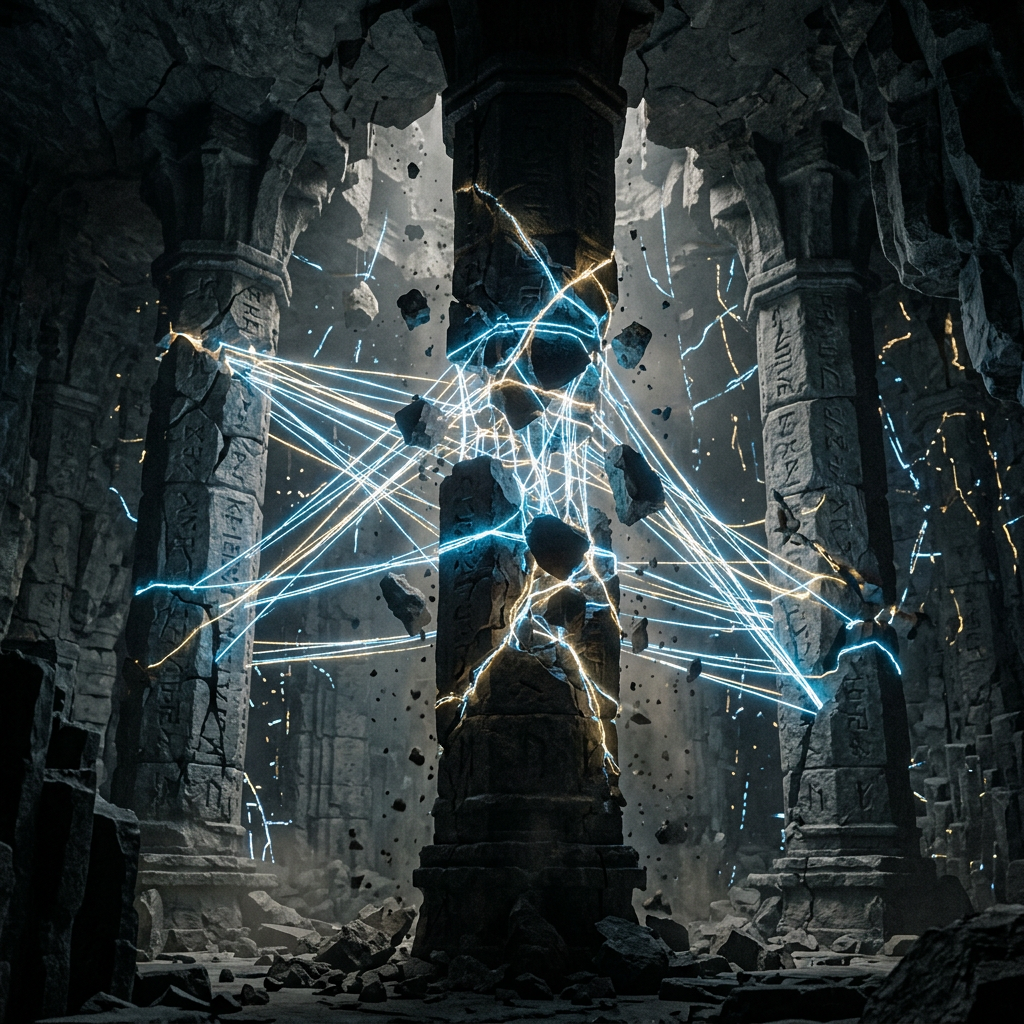
For centuries, the shadow of Hollow Mountain loomed over the land—not as a natural wonder, but as a monument to human folly. Within its hollowed chambers, traders, warlords, and schemers built what they called wager-fortresses: elaborate financial strongholds held together not by stone and mortar, but by promises, leverage, and reckless speculation. These were places where men bet fortunes on the whim of weather, the outcome of wars, and the rise and fall of distant empires. The mountain echoed with the clatter of coins and the murmurs of deals so complex that even their architects barely understood them.
Yet, even in the height of its prosperity, a quiet voice whispered among the traders—a vision, half-forgotten, that true wealth could not be built on air. The mountain itself seemed to groan under the weight of all that unearned value, as if warning that the foundation was cracking.
The Prophecy of Crumbling Fortresses
Prophets and skeptics alike began to speak of an inevitable reckoning. The prophecy was not written in ancient scrolls, but etched into the ledgers of every failed enterprise:
> “Every wager-fortress built on hollow promises will fall when the wind of truth blows through its gates.”
This was not a mystical curse, but a simple economic truth. The wager-fortresses thrived on three pillars:
- Leverage without limit – borrowing against imagined future gains
- Information asymmetry – insiders profiting while outsiders took the losses
- Moral hazard – risk-takers shielded from consequences
The prophecy warned that these pillars were not bedrock—they were stacked sand. The first sign of instability would come when trust faltered, and the question was not if they would crumble, but when.
How the Wager-Fortresses Crumble
The fall did not happen overnight. It began with a slow leak of confidence—a trader here, a consortium there. Then, like dominoes in a gale, the collapses accelerated:
- A major wager-fortress defaulted on its obligations, triggering margin calls across the mountain.
- Rumors of hidden debts spread, causing a bank run on paper assets.
- Regulators, once complacent, stepped in too late, freezing accounts and halting trades.
- Panic selling turned illusionary wealth into literal dust.
Key mechanisms of the collapse included:
- Contagion – failures in one fortress infected others through interconnected bets.
- Liquidity evaporation – no one would buy what everyone was desperate to sell.
- Revelation of fraud – audits revealed that entire fortresses were built on fabricated collateral.
As one trader famously remarked, watching his life’s work dissolve:
> “We thought we were building cathedrals of finance. In truth, we were stacking chairs in a hurricane.”
Dust and Ruin After the Fall
When the last fortress fell, Hollow Mountain became a graveyard of ambition. What remained was a landscape of:
- Empty vaults and abandoned trading floors
- Ghost contracts with no counterparty to honor them
- Ruined reputations of once-vaunted financiers
- Ashes of treaties that governed the wager system
Yet, amid the dust, a strange clarity emerged. The mountain’s hollow chambers no longer echoed with frantic bids, but with the quiet footsteps of those who had lost everything—and a few who had saved their souls by sitting out the madness.
The people who lived in the shadow of Hollow Mountain learned a bitter lesson: speculation divorced from creation is not enterprise—it is gambling dressed in the robes of sophistication.
Dawn of the Righteous Market
Out of the ruins, a new philosophy began to take root. The survivors, humbled and wiser, started to rebuild—but on different principles. The Righteous Market was not a place of wagers, but of genuine exchange:
- Transparency replaced hidden deals
- Value-based pricing replaced speculative bubbles
- Risk-sharing replaced reckless leverage
- Long-term stewardship replaced short-term greed
The new market was smaller, slower, and less glamorous. But it was resilient. Traders now asked not “How much can I bet?” but “What actual good does this transaction serve?” Trust was rebuilt slowly, one honest trade at a time.
As the morning sun hit the empty chambers of Hollow Mountain, a new sign appeared above the main gate:
> “Here, we trade what we own—not what we owe.”
Conclusion
The fall of the wager-fortresses at Hollow Mountain is not a tale of apocalyptic destruction, but of necessary collapse. It reminds us that wealth built on illusion is always temporary, and that true prosperity requires foundations of integrity, transparency, and real value. The dust may still rise from the ruins, but the dawn of the Righteous Market offers a path forward—not just for traders, but for anyone building anything that matters. Let the hollow mountain stand as a monument, not to greed, but to the lesson that markets can only thrive when they serve people, not the other way around.
Leave a Reply