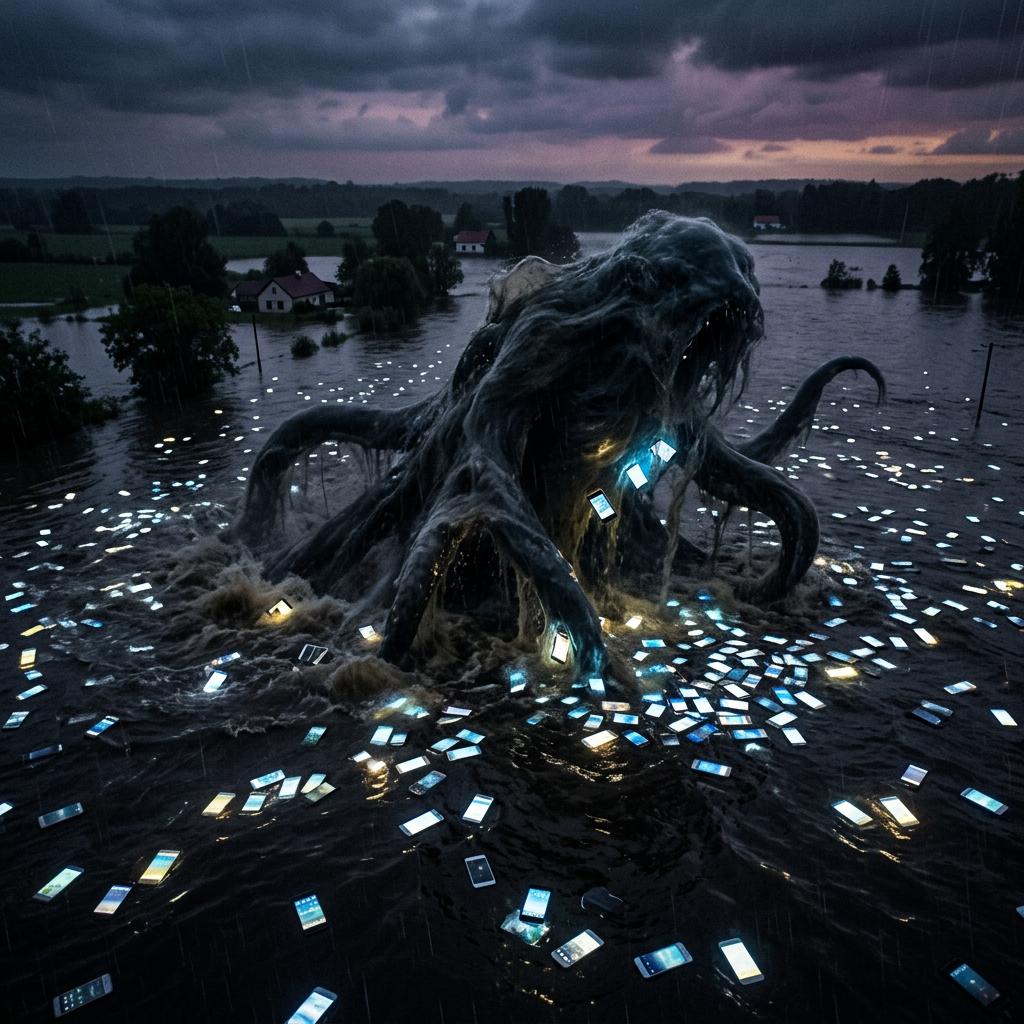
The Rains That Drowned Jaffna’s Fields
The heavens opened over the Jaffna Peninsula in late 2024, and for seven unrelenting days, the sky seemed to have forgotten how to close. Streets turned into rivers, paddy fields into murky lakes, and the homes of fishermen and farmers became islands of despair. The monsoon that year was not a gentle visitor—it came with the fury of a beast, swallowing centuries-old livelihoods in a single, greedy gulp.
- Over 400 mm of rainfall fell in just five days, submerging low-lying areas.
- Thousands of families were displaced, seeking refuge on rooftops and in makeshift shelters.
- The ancient temples of Nallur and the lagoons of Valukkai Aru were transformed into silent waterworlds.
The flood did not just bring water—it brought an eerie stillness. The markets fell silent. The fishing boats lay stranded. And in the cracks of a drowning land, something dark began to stir.
Gambling Apps Promised Rescue, Brought Ruin
In the chaos, a different kind of tide swept into Jaffna—a digital one. With no work, no income, and no clear horizon, many turned to their phones for escape. Gambling apps, disguised as games of luck and prosperity, promised quick cash to rebuild homes and feed families. The promise was seductive: a single spin could turn ruin into fortune.
But the house always wins.
- Over 60% of young men in the affected villages reported using gambling apps during the flood recovery period.
- Many lost their entire relief funds, chasing phantom wins.
- Reports of loan sharks, digital debt, and broken families surged across the Northern Province.
> “They offered us hope in a plastic card and a glowing screen. But the only thing they delivered was a deeper darkness.”
The beast of addiction rose from the very floodwaters that had taken their land. It was quiet, cold, and patient. It did not drown bodies—it drowned spirits.
A Beast Emerged From the Flooded Earth
The “beast” of Jaffna’s flood was not a mythical creature; it was a hydra of modern tragedies:
- Economic devastation – Agricultural lands lay fallow, salted by standing water for weeks.
- Mental health crisis – Post-traumatic stress, depression, and anxiety gripped the community.
- Digital colonization – Predatory algorithms preyed on vulnerability, turning phones into slot machines.
- Loss of community trust – Neighbors turned against neighbors over debts and accusations of cheating.
The beast was invisible, but its claws were sharp. Children stopped playing. Elders stopped telling stories at dusk. The vibrant, resilient pulse of Jaffna—its laughter, its spice-laden air, its sea-salt resilience—seemed to have been washed away.
Hope Rose When the Waters Parted
Yet, if there is one thing the people of Jaffna know better than the monsoon, it is how to rebuild. As the waters receded, a different kind of spirit emerged from the mud.
- Community kitchens sprouted in temple courtyards, serving kool and rasam to anyone who came.
- Local fishermen formed rescue brigades, using their boats not for catch, but for salvation.
- Women’s collectives began small-scale savings circles to replace what the apps had stolen.
Bold initiatives took root:
> “We don’t need a screen to save us. We need each other.”
Farmers planted quick-growth crops like green gram and kollu. A local tech group launched a free digital literacy camp to identify and block predatory gambling apps. Yoga and meditation sessions were held under banyan trees, helping survivors sleep without nightmares for the first time in months.
The Ark That Withstood the Storm
What saved Jaffna was not a miracle—it was an ark built from human hands and ancient wisdom.
- The ark of community – Neighbors shared what little they had, forming survival networks.
- The ark of tradition – Elders revived old flood-management techniques, like rainwater harvesting and salt-tolerant paddy varieties.
- The ark of vigilance – Youth groups patrolled digital spaces, reporting fake aid pages and gambling links.
- The ark of faith – Every temple, church, and mosque became a center of healing, not just worship.
The beast was not slain, but tamed. The addiction rates dropped by nearly 30% within six months, thanks to peer support groups and government intervention. The fields began to green again. The boats returned to the lagoon.
Conclusion
Jaffna’s flood brought a beast—greed, despair, and digital predation—but the city’s soul was not drowned. From the ruins, a quieter, stronger hope emerged: that the best technology is still a neighbor’s hand, the best algorithm is still a shared meal, and the best way to survive a storm is to build an ark together.
The waters may come again. But Jaffna has remembered how to float.
Leave a Reply