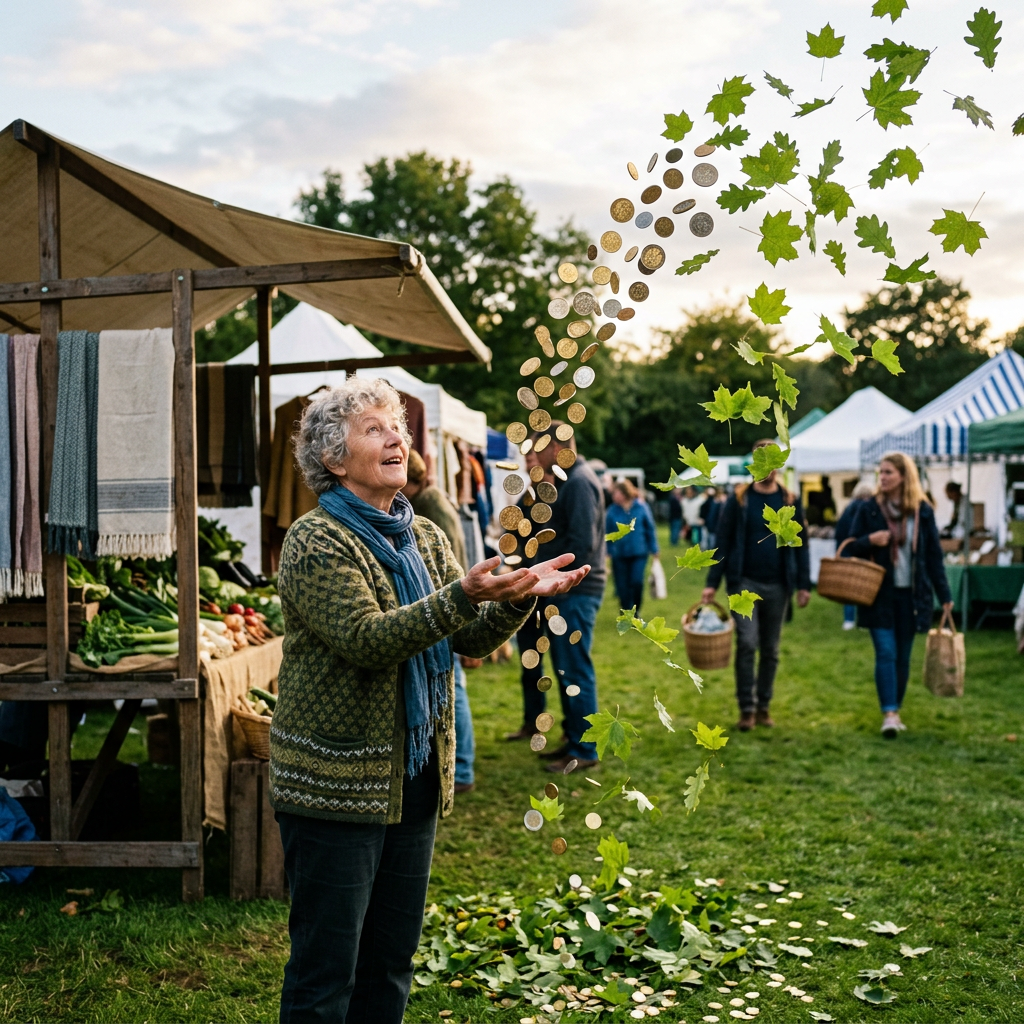
Beyond the Wager: Sports’ Final Dawn
For decades, the roar of the crowd has been interwoven with the rustle of betting slips. Sports, once a sanctuary of pure athletic expression, found itself shackled to the twin pillars of gambling revenue and media speculation. We have grown accustomed to a landscape where every game is a ledger, every player a variable in a statistical algorithm of odds. This is not the natural state of competition; it is a shadow market that has dimmed the very light that draws us to the stadium. But what if a shift is coming? What if the final dawn is breaking on a star market—a sporting economy that is not built on the house’s edge, but on the athlete’s soul?
The Last Star: A Market Without Shadows
Imagine a playing field not illuminated by neon casino signs, but by the pure, untethered brilliance of human potential. This is the vision of The Last Star Market—an economic ecosystem where value is derived from performance, craft, and community, rather than from the binary outcome of a wager. In this new paradigm, the old pillars of sports gambling are replaced:
- Revenue from Integrity: Instead of partnerships with betting apps, leagues are funded by fan-owned micro-investments in player development and stadium sustainability.
- Attention Returned to the Play: Broadcasts focus on technique, strategy, and athlete narratives—not on live odds or “prop bets” that distract from the action.
- Community over Commodity: Local clubs become sanctuaries of civic pride, where the thrill is in the shared experience, not in a risk-taking calculation.
- Data as a Mirror, Not a Cipher: Statistics are used to celebrate skill growth, not to feed algorithms that predict a player’s “value” to a bettor.
This market doesn’t reject capitalism; it redeems it by aligning profit with the preservation of sports’ sacred essence.
Redeeming the Game from Gambling’s Ruin
The ruin wrought by gambling is not just financial—it is spiritual. We have seen scandals where players are pressured to “shave points,” where referees are bribed, and where entire fanbases are treated as revenue streams rather than communities of belief. To redeem the game, we must perform a radical act of separation:
> The most valuable bet you can ever place is on the integrity of the athlete. Odds never add up to a legacy; character does.
Redeeming sports requires three deliberate shifts:
- Disentangle Finance from Fate: End the symbiotic relationship between league revenues and betting partnerships. Replace them with direct fan subscription models and public broadcast charters that tie funding to viewership, not to “churn” rates of gambling addicts.
- Rewrite the Narrative: Journalists and commentators must stop framing games as payoffs. Instead of “The underdog is a long shot,” say “The underdog is on a beautiful, difficult journey.” Language shapes perception.
- Reclaim the Athletes’ Space: Players must be insulated from the pressure of odds. Contracts and league rules should explicitly ban any athlete involvement with betting markets, and provide mental health support to those affected by the shadow economy.
Faith in the Athlete, Not the Odds
At the heart of this transformation lies a simple, radical shift of faith. We have been conditioned to believe that the thrill of sports is inseparable from the uncertainty of a payout. This is a lie. The true thrill is the permanent uncertainty of human effort—the struggle, the sweat, the unpredictable symphony of teamwork.
A society that places its faith in odds is a society that has forgotten how to be surprised.
- Faith in the Odds reduces the athlete to a probability vector.
- Faith in the Athlete elevates the human story above any numerical outcome.
To watch a game with faith in the athlete is to watch a painter at work. You do not ask will this painting be sold? You ask what color will they use next? The Last Star Market thrives on this second question.
> “Betting tells you what might happen. Believing in an athlete tells you what can happen. One limits the imagination; the other sets it free.”
A New Covenant: Sports as Sacred Economy
The final act of this transformation is the establishment of a Sacred Economy—a community pact that views athletic competition as a public good, not a private speculation zone. This covenant is built on unbreakable principles:
- Transparency: Every dollar flowing through a league is public, from ticket sales to athlete salaries. No hidden kickbacks from betting houses.
- Accessibility: Games are not paywalled behind expensive subscription packages that depend on gambling money. They are available to all who wish to witness.
- Celebration of Failure: In the shadow market, a loss is a financial disaster. In the sacred economy, a loss is a lesson—a plot point in a long hero’s journey. We celebrate the athlete who falls and gets back up, not just the one who “covered the spread.”
Conclusion: The Star is Still Shining
The Last Star Market is not a nostalgic retreat to a mythical past. It is a forward-looking blueprint for reclaiming sports from the commodification of risk. It asks us to be courageous enough to find excitement in process, not outcome; to value integrity over insurance; and to see the athlete as a fellow human on a remarkable path, not a pawn on a betting board.
The shadow of gambling has grown long, but it is not permanent. When we look up from the odds board, we will still see a player running under the lights, tracing a path of pure possibility. That is the only market worth our attention. That is the star that never fades.
Leave a Reply