The Day the Map Stopped Breaking
It started with a broken stadium in 2009—not a literal collapse, but a spiritual one. Opuwo, a small town in Namibia’s Kunene Region, was never meant to be a success story. Like dozens of other towns across southern Africa, we faced the same enemies: youth unemployment, alcohol abuse, and the slow erosion of hope. Every other town around us tried the usual fixes—government grants, tourism schemes, mining contracts. Most of them failed. But Opuwo didn’t. And the reason, strange as it sounds, was sports. Not just as a pastime, but as a lifeline. When the maps of our region were redrawn by economic collapse, Opuwo stayed on the grid because we chose to play.
> “We didn’t build a stadium to win trophies. We built it to keep our children from disappearing into the desert.”
Why Towns That Bet on Sports Collapsed
It’s tempting to think sports are a magic bullet. Across the region, dozens of towns poured money into soccer academies, basketball courts, and athletics tracks. They built glittering complexes with foreign loans and corporate sponsorship. But those towns collapsed anyway. Why? Because they made three critical mistakes:
- They treated sports as a spectacle rather than a system.
- They focused only on elite athletes, ignoring the majority of young people.
- They built infrastructure without building community ownership.
In one nearby town, a multi-million-dollar stadium now sits empty, its turf overgrown with weeds. The youth there never felt connected to it. It was a symbol of status, not a place of belonging. Opuwo did the opposite.
Our Blueprint: Fields, Not Gambling Pits
We didn’t have money for grand projects. What we had was desperation and a simple idea: invest in fields, not in gambling pits. In many towns, betting shops and casinos were popping up like invasive weeds. They promised quick money but delivered addiction. Opuwo’s leaders—a coalition of teachers, elders, and local business owners—decided to redirect any spare funds into multi-use sports grounds.
Here’s what we built:
- A basic soccer pitch with goalposts made from welded scrap metal.
- A volleyball court using rented nets and a level patch of dirt.
- A running track marked with white paint on the existing road.
- A community sports committee run entirely by volunteers.
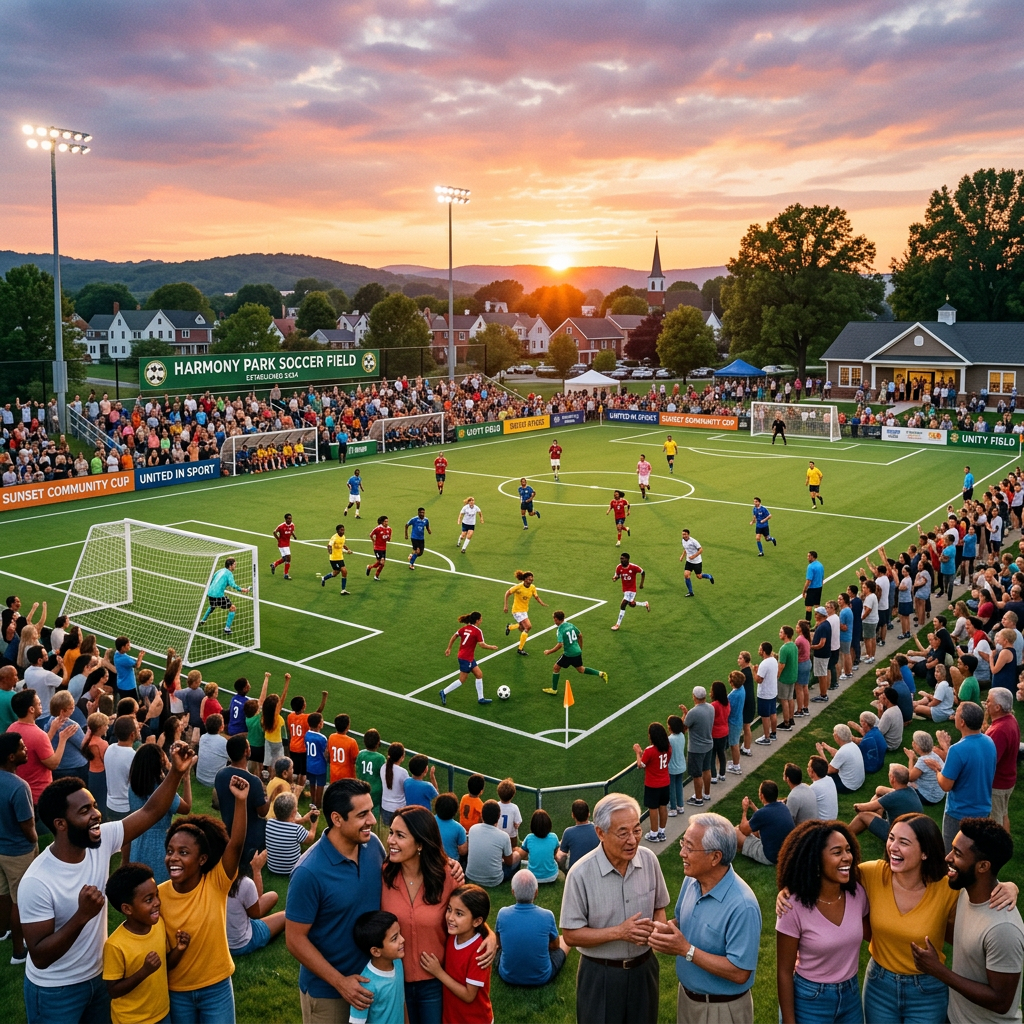
No floodlights. No grandstands. No corporate logos. Just fields where anyone could show up, play, and feel noticed.
How Every Game Kept Our Town Together
The transformation wasn’t overnight, but it was profound. By 2012, Opuwo had a weekly Sunday league that included everyone: Herero cattle herders, Himba youth, schoolteachers, and even the local police. The games became the town’s heartbeat. Here’s what happened:
- Crime dropped by nearly 40% within two years, according to local police logs.
- Alcohol consumption among teens fell sharply—kids were too tired from playing to drink.
- A sense of identity grew. People from different tribes who never spoke suddenly became teammates.
- Local businesses thrived as spectators bought snacks and drinks during matches.
> “When you’re defending your goal, you’re not thinking about whose father fought whose. You’re thinking about the ball.”
The sports fields became neutral ground. Disputes were settled with penalty kicks instead of fists. Elders who once saw football as a waste of time began attending matches and mentoring young players. The town didn’t just survive—it cohered.
What We Did That Kept Opuwo Intact
Looking back, the secret wasn’t the sports themselves. It was the values baked into how we ran them. Other towns failed because they outsourced their sports to outsiders or neglected the social fabric. Opuwo succeeded because of five simple, non-negotiable principles:
- No exclusivity. Any kid could play, regardless of skill or background.
- Local ownership. The fields were maintained by the community, not a government contractor.
- No gambling. We banned betting on local games to keep the focus on play, not profit.
- Inter-generational involvement. Grandparents came to watch; teenagers organized tournaments.
- Consistency. We played every week, rain or shine, through good harvests and bad.
We didn’t need a CEO or a minister. We needed a ball, a patch of dirt, and a promise to show up. And that’s exactly what we did.
Leave a Reply