In an age where the foundations we once trusted—economic systems, social structures, and even personal certainties—are crumbling, a quiet yet powerful text has emerged for those who seek clarity amidst the ruin. The Book of the Remnant Path: Standing When All Falls is not merely a book; it is a survival manual for the soul. It speaks directly to the individual who refuses to be swept away by the tide of collapse. This article explores the core revelations of this profound work, following its narrative from cosmic revelation to personal transformation.
The Unveiling of the Twenty-Fourth Seal
The journey begins not with disaster, but with a revelation. The text opens with a dramatic spiritual event: the breaking of the Twenty-Fourth Seal. This is not a literal lock and key, but a metaphor for the final barrier between the ordinary world and the hidden truths of existence.
According to the book, the first twenty-three seals represent the layers of illusion we build around ourselves—career, reputation, material wealth, and social approval. The Twenty-Fourth Seal is the last veil hiding the reality of our fragile condition.
> “When the Twenty-Fourth Seal breaks, you do not see a new world. You see the old world for what it truly is: a house of cards built on false promises.”
This unveiling is depicted as a moment of terrifying clarity. It strips away the comfort of ignorance. The key insight here is that standing begins with seeing. You cannot brace for a fall you refuse to acknowledge.
The Beast of Synthetic Fortune Rises
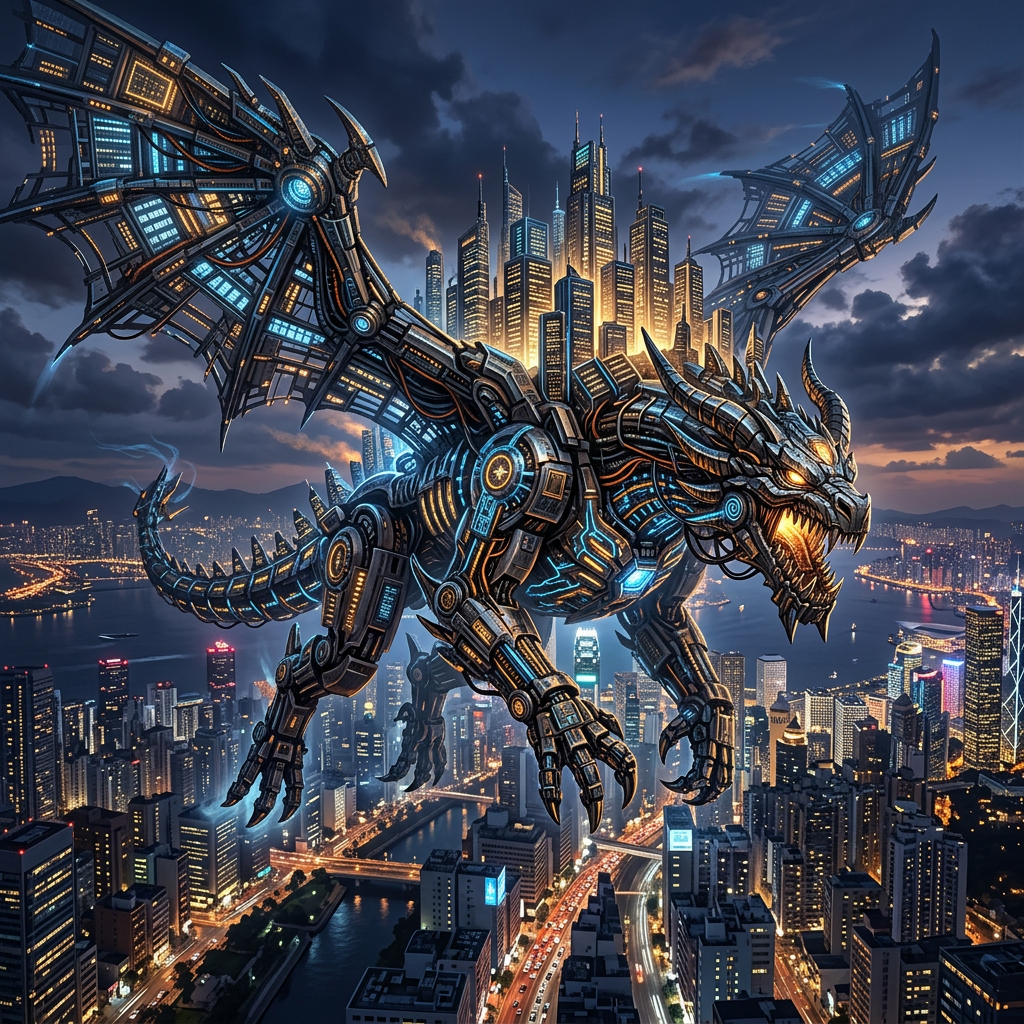
With the seal broken, the remnant path confronts its primary antagonist: the Beast of Synthetic Fortune. This is not a literal monster but a symbolic representation of the global financial and technological system that has turned human value into a commodity.
The book describes this Beast as having three defining characteristics:
- Artificial Scarcity: It creates need where there is plenty, manipulating resources to keep the masses dependent.
- Algorithmic Control: It uses data and technology to predict and shape human behavior, eroding free will.
- The Mirage of Stability: It promises safety through accumulation, yet its foundations are built on debt and speculation.
The Beast’s power lies in its ability to make people believe that their worth is tied to their fortune. When the “synthetic” system falters, as it inevitably must, those who have placed their faith in it fall hardest.
The Dawnlight Stone Descends
In direct opposition to the synthetic beast, the book introduces the Dawnlight Stone. This is the central symbol of hope and grounding. It is described as a fragment of original, uncorrupted truth that descends into the heart of the chaos.
The Dawnlight Stone represents three core assets that cannot be faked or manipulated:
- Unbreakable Integrity: A commitment to truth, even when it is costly.
- Radical Adaptability: The skill to pivot and survive without relying on the broken system.
- Deep Community: Real, reciprocal bonds that are not transactional.
The descent of the Stone is not a passive event. It requires active retrieval. One must dig through the rubble of their old life to find it.
> “The Dawnlight Stone does not shine on the mountaintop of success. It lies buried in the valley of failure. You must stoop to pick it up.”
The Unbroken Path Through Chaos
Armed with the vision from the seal and the heart of the stone, the reader is guided on the Unbroken Path. This is the central practice of the book. It is not a linear journey but a way of moving through the falling world without losing one’s center.
The text outlines five practical principles for walking this path:
- Embrace Small Anchors: When everything large fails, hold to small rituals—a morning walk, a shared meal, a moment of silence.
- Practice Non-Attachment: Hold your plans and possessions loosely. A closed fist catches nothing; an open hand can receive anew.
- Build Micro-Economies: Cultivate skills and trades that exist outside the synthetic system, such as gardening, repair, or mentorship.
- Choose Pain Over Numbness: The Beast offers drugs, distractions, and digital stupor. The Path requires feeling the fear and acting anyway.
- Stand in Place: Sometimes, the bravest action is to simply not run. To be the steady point in a spinning world.
The Remnant’s Stand in the Falling World
The final chapter is not about victory or escape. It is about the stance itself. The book argues that the purpose of the remnant is not to rebuild the old world but to be a seed for a new one.
The “Stand” is described as a posture of the spirit:
- Rooted: You know what you stand for, not just what you stand against.
- Balanced: You are open to change without being blown over.
- Alive: You are present, not panicked.
> “Falling is not the tragedy. Forgetting you were ever meant to stand is.”
In the end, The Book of the Remnant Path does not promise a comfortable future. It promises something more valuable: a meaningful present. To stand when all falls is to become a living testament that the core of humanity—courage, connection, and integrity—cannot be destroyed by any system or collapse.
Conclusion
The Book of the Remnant Path: Standing When All Falls is a challenging, poetic, and deeply practical text for our uncertain times. It asks us to look past the glittering surface of the synthetic world and find the bedrock of reality within ourselves. It teaches that the end of one world is not the end of everything—it is the beginning of a different kind of life, built on truth rather than illusion. For those who have the courage to read it and the discipline to apply it, the Remnant Path offers not survival, but a reason to stand.
Leave a Reply