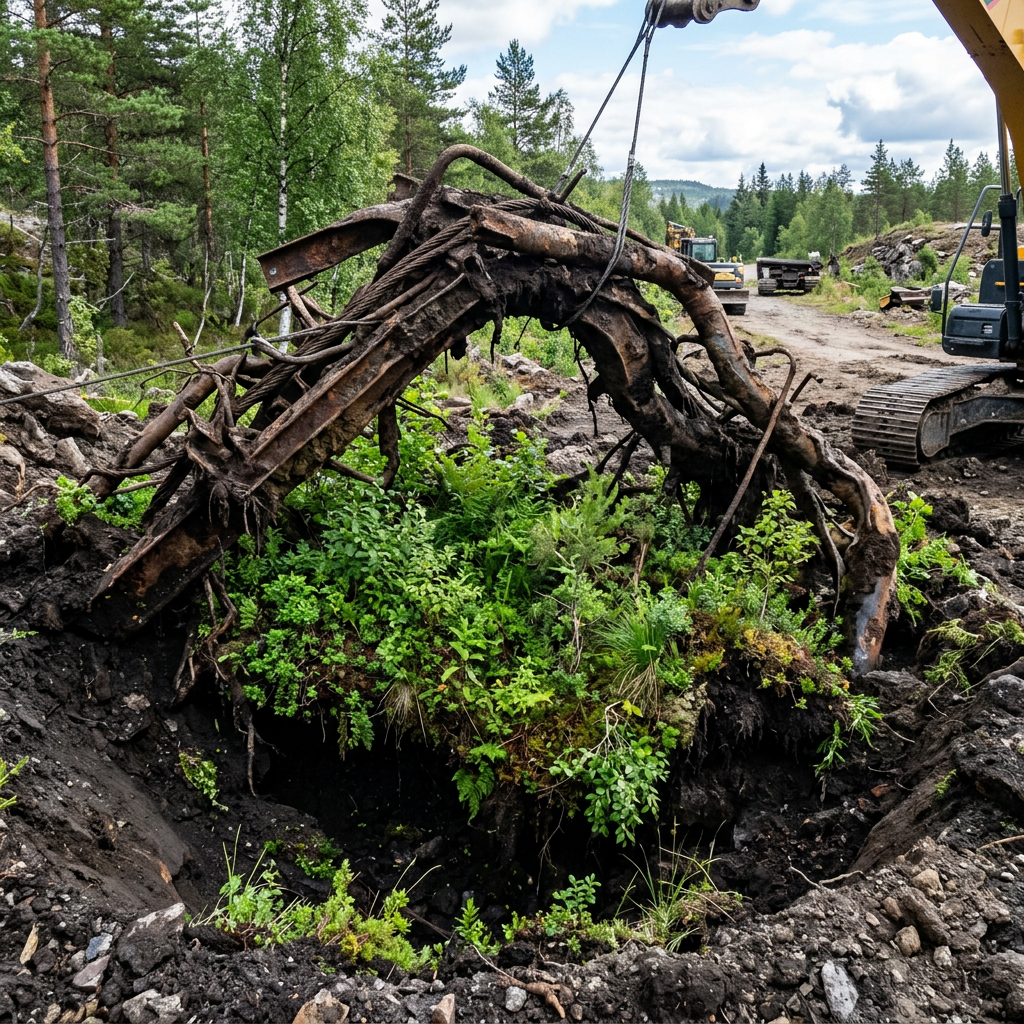
The Iron Seed Seal and the Hidden Growth
Beneath the surface of everyday life, a silent contagion has been taking root. It does not announce itself with neon lights or casino jingles. Instead, it hides in the digital shadows, in the margins of sports apps, and in the quiet hum of online transactions. This is the Iron Seed—a metaphorical core of resistance, awareness, and truth that has been sealed away by societal denial. But as the seed awakens, it reveals a disturbing truth: a hidden gambling plague has been growing unchecked, fed by algorithms that mimic addiction and normalized by a culture that looks the other way.
The plague is not a sudden storm; it is a slow, metallic creep. Think of it as rust that begins on a single nail and spreads until the entire structure groans under its weight. The “Iron Seed” is our collective ability to resist—but it has been buried, dormant, waiting for the right conditions to break the surface.
Gambling’s Secret Roots: A Plague Beneath the Soil
To understand the plague, you must first dig into the soil where its roots hide. Gambling addiction today is not what it was a generation ago. The roots are:
- Micro-betting and in-play gambling: Wagering on every single pitch, card, or move, creating a continuous dopamine loop.
- Loot boxes and skin gambling: Found in video games, these mechanics normalize risk-reward behavior in children and teens.
- Social media integration: Influencers and targeted ads that blur the line between entertainment and financial risk.
- Crypto and unregulated platforms: Anonymous, borderless, and nearly impossible to trace, these allow rapid, high-stakes betting.
These roots are not organic—they are engineered. They grow in the dark, exploiting psychological vulnerabilities. The plague is hidden because it often presents not as a ruinous loss but as a slow erosion of savings, relationships, and mental health. The “hidden” nature is its greatest weapon. People do not see themselves as addicted until the roots have already strangled their financial foundation.
Unearthing the Metal Roots of a Hidden Epidemic
We must now act as archaeologists of the mind, unearthing the metal roots that anchor this epidemic. The roots are made of cold, hard data and behavioral design. Consider these key elements:
> “The house always wins, but the algorithm always knows you better than you know yourself.”
- Variable reward schedules: The same psychological principle used in slot machines is now coded into every betting app. You win just enough to keep pulling the lever.
- Loss-chasing mechanics: Apps that offer “free bets” or “insurance” on losses that encourage you to double down.
- Normalization through sports: Sponsorship deals, jersey logos, and halftime commercials have made gambling feel like a natural part of fandom.
- Targeted vulnerability: Algorithms identify users who are tired, lonely, or intoxicated, then push high-odds bets to exploit emotional states.
To unearth these roots is to expose the machinery. The epidemic is not a moral failing; it is a design failure of our digital environment. The metal roots are the code, the payment rails, and the advertising networks that enable this plague.
The Molten Bloom That Cracks the Gambling Plague
Every iron seed, when awakened, produces a molten bloom—a hot, transformative force that cracks the rigid structures of addiction. This bloom is not a gentle flower; it is a fiery eruption of awareness, regulation, and personal rebellion. Here is how the bloom takes shape:
- Public health frameworks: Treating gambling addiction like a pandemic, with surveillance, early intervention, and treatment on demand.
- Algorithmic transparency: Requiring platforms to disclose how they target users and offering mandatory “cooldown” periods.
- Financial firewalls: Banning credit card deposits for gambling, and limiting daily loss caps that cannot be raised impulsively.
- Community resistance: Grassroots movements that shame predatory practices and support those who walk away.
The molten bloom also demands a personal reckoning. For the individual, it means:
- Recognizing the seed: Admitting that the urge to gamble is a symptom of a deeper wound—boredom, pain, or a need for control.
- Applying heat: Disrupting routines. Uninstall apps. Block payment sites. Tell a trusted friend.
- Allowing growth: Replace the gambling void with something real—physical exercise, creative work, or genuine social connection.
The bloom cracks the plague because it introduces light and heat into a system designed for darkness.
Uprooting the Secret Tendrils: Ending the Plague
Finally, we must pull the secret tendrils out by the root. This is not a one-time act but a continuous process. The tendrils are the final, stubborn connections that keep the plague alive:
> “Addiction is a secret that thrives only when it is kept. To uproot it, you must speak its name aloud.”
The uprooting process involves three layers:
- Personal level: Replace the habit with a ritual. For every gambling urge, create a counter-ritual—such as transferring money to savings, calling a friend, or writing down the feeling in a journal.
- Community level: Normalize conversations about gambling harm. Create “accountability pods” where people check in daily about their financial and emotional state.
- Systemic level: Advocate for mandatory loss limits, real-time self-exclusion across platforms, and banning gambling advertising during live sports.
Ending the plague requires us to become guardians of the seed. We must protect the awakened awareness and prevent it from being buried again. The secret tendrils will try to regrow—through new apps, new loopholes, and new forms of digital temptation. But with the iron seed awake, we have the strength to root them out before they spread.
Conclusion
The Iron Seed Awakens not as a distant metaphor, but as a call to arms. The hidden gambling plague is real, pervasive, and engineered to keep us blind. But by understanding its secret roots, unearthing its metal mechanisms, and applying the molten bloom of awareness and action, we can crack the epidemic wide open. Uprooting the tendrils is hard work—it demands honesty, community, and systemic change. Yet every time a person walks away from the screen, every time a family chooses transparency over shame, the seed grows stronger. The plague is hidden no more. The awakening has begun.
Leave a Reply