The Soft Collapse Nobody Noticed Until It Was Too Late
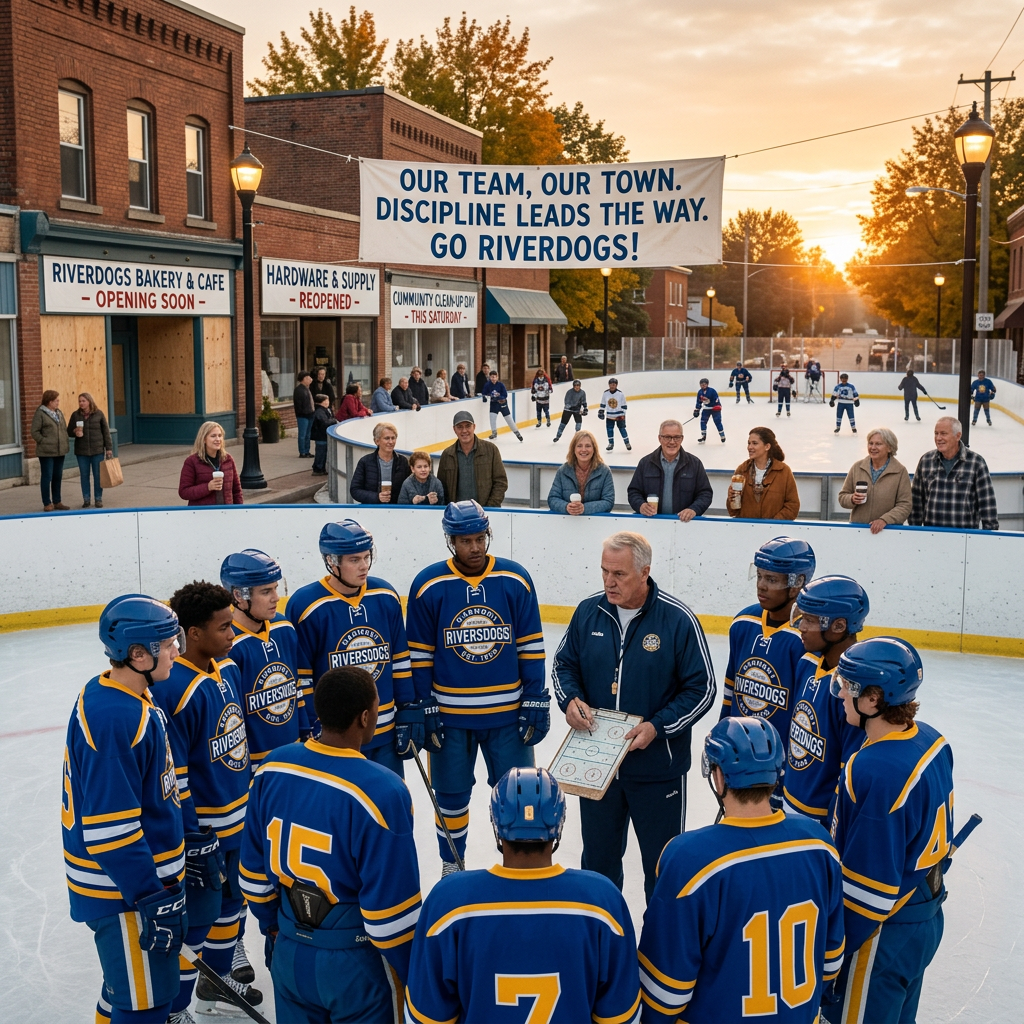
It didn’t happen overnight. The mill closing was the first domino, but the rest of the collapse was quiet—a job loss here, a foreclosure there, then a slow bleed of families packing up and heading for cities that still had a pulse. By the time anyone realized the town was on life support, the main street had more For Lease signs than open doors, and the local hockey rink was practically a ghost.
You could measure the decay in small, painful ways. The high school graduation rate dipped. Vandalism crept from a nuisance into an expectation. The town’s last general store became a gambling den in disguise, pulling in desperate people looking for a quick way out of a hole they were only digging deeper. It wasn’t a dramatic crime wave; it was a slow cultural rot. People stopped believing that rules mattered when there was no future to play for.
Why Our Hockey Team Was the Last Sanctuary of Rules
Amid the drift, one institution held stubbornly to structure: the junior hockey team. Not the big professional league—just a local squad of teenagers and young men who still laced up skates three times a week. They were ragged, underfunded, and perpetually losing games, but they obeyed something others had abandoned.
Here’s what made the team different:
- Punctuality was non-negotiable. If you were late for practice, you sat out the next game. No exceptions.
- Respect for equipment. A chipped stick meant you fixed it yourself, not that you threw a tantrum for a new one.
- Community service. Every player had to volunteer four hours a week at the town’s food bank or senior center.
- Fitness standards. You didn’t just show up; you had to pass a weekly conditioning test or risk being benched.
The rest of the town saw this as quaint, even naive. “What good are hockey drills when people can’t pay their heating bills?” critics asked. But the coach—a gruff veteran named Harlan who had played minor league before losing his knee—understood something deeper. You don’t rebuild a town with bailouts. You rebuild it with habits.
From Gambling Ruins to Drills That Rebuilt a Community
The turning point came when the gambling den was raided and shut down. The building sat empty for months, a monument to the town’s worst impulses. Then Harlan made a bold pitch to the town council: turn the old bingo hall into a permanent practice facility for the team.
The meeting was tense. Residents mocked the idea. “You’re going to skate on the memory of our lost savings?” one woman shouted. But Harlan didn’t argue. Instead, he brought data:
> “Every kid who finishes a season with our team is 40% less likely to drop out of school. They’re 60% less likely to be arrested. You want a cheaper crime prevention program? This is it.”
The council gave him a six-month trial. Players cleaned the space themselves—scraping off grime, repairing the floor, painting the walls. They turned a room stained with despair into a sanctuary of sweat. Within three months, the building was rented out for youth dances, adult fitness classes, and community meetings when the team wasn’t using it.
Copying Warm-Up Routines to Restore Order in the Streets
The most surprising shift wasn’t in the rink—it was in the streets. People started borrowing the team’s discipline in their own lives.
- Business owners began opening exactly on time instead of drifting in whenever.
- A group of unemployed workers started meeting at 5:30 AM for community drills—not hockey, but basic fitness and job skill practice.
- The local police noticed a drop in petty theft; teenagers were now doing volunteer hours for the team’s community service program.
The team’s warm-up routine—a precise, almost military sequence of stretches, stickhandling, and passing patterns—became a metaphor. If you could perfect a simple drill when nobody was watching, you could rebuild a life from scratch. One store owner even posted a sign in his window: “Open at 7:00 AM, like the hockey team.”
How One Coach’s Discipline Became a Town’s Blueprint for Hope
Harlan never gave a grand speech about redemption. He simply enforced the same rules every day, year after year. By the time the town’s economy began to gently recover—a small manufacturing plant opened, a coffee shop returned—people didn’t credit policy or stimulus.
They credited a simple truth: Discipline is contagious.
Today, the team still isn’t winning championships. But the stands are full. The volunteer list has a waiting list. And the old gambling hall, now called the Community Ice House, hosts everything from hockey games to AA meetings to wedding receptions.
> “A town’s not just steel and concrete,” Harlan says, fixing a broken skate blade for a nine-year-old. “It’s the patterns people choose to repeat. We just chose to repeat the right ones.” > > — Coach Harlan, on the town’s turnaround
Conclusion
The story of this town isn’t a fairy tale. There are still boarded-up windows and strained marriages. But the hockey team proved that small, consistent acts of discipline can create a culture that resists collapse. When a town is on the brink, you don’t need a hero with a grand plan. You need a group of people who show up on time, respect the equipment, and do the drills—every single day. The rink became a mirror, and the town saw what it could become.
Leave a Reply