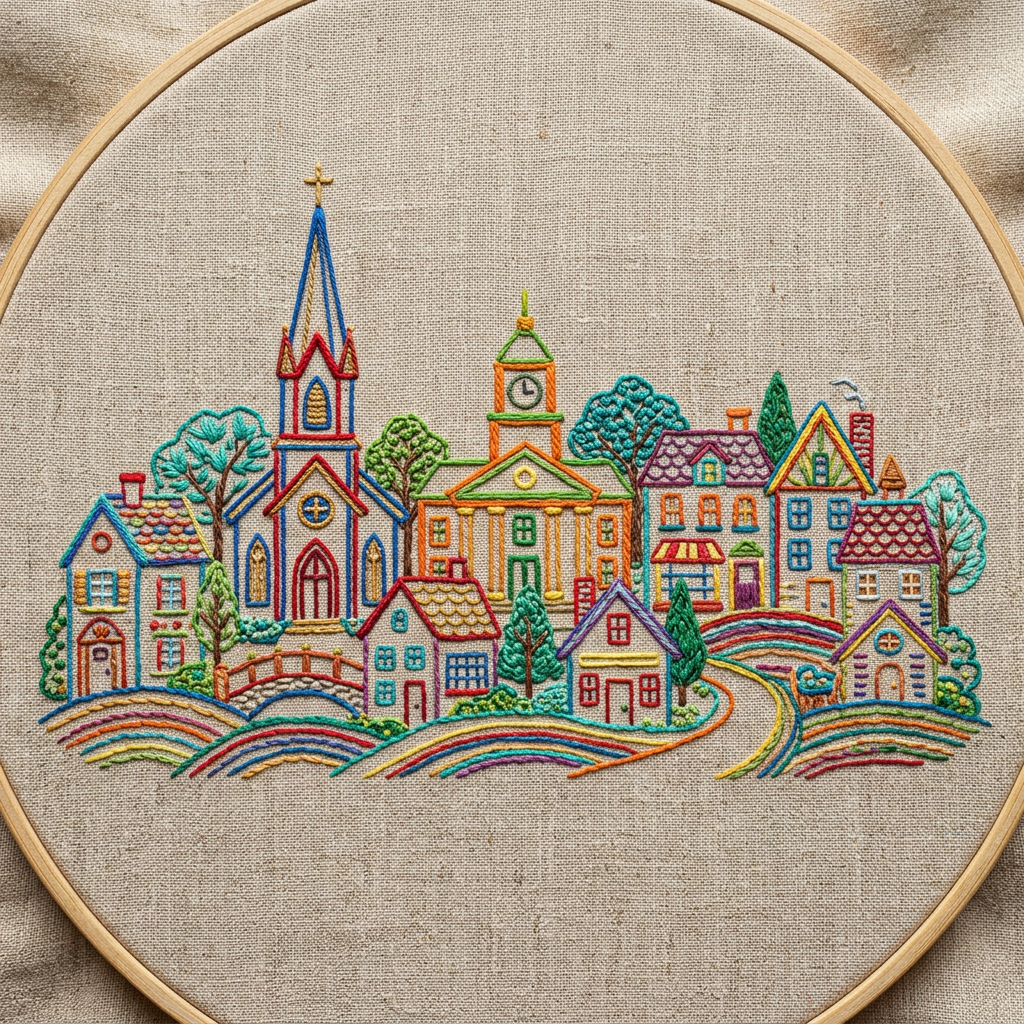
The Whisper That Started It All
It began not with a bang, but with a whisper—a quiet, desperate murmur that passed between neighbors at the post office, over backyard fences, and in the dim light of the town’s only diner. “The mill is closing.” Those three words hung in the air like a winter fog, seeping into every corner of our lives. Our town, Maple Hollow, had been built around that mill for over a century. It was the heartbeat that pumped wages, identity, and a shared sense of purpose into our streets. When the whisper became a headline, the unraveling began. People started packing. For-sale signs sprouted like weeds. The high school football team lost its coach, and the library reduced its hours to two days a week. We were coming apart, thread by frayed thread.
One Season Before the Unraveling
But then came one season—a single autumn that defied all logic. It wasn’t planned by the mayor or funded by a grant. It was born from a simple, almost naive idea: What if we didn’t give up just yet? A handful of residents, mostly retirees and a few young parents, gathered in the drafty town hall. They didn’t talk about the mill. They talked about the Harvest Festival, an old tradition that had been dying for years. “Let’s put it on,” said Martha, a 72-year-old former teacher. “Not for tourists. For us.” That season became a lifeline. It was a choice to focus on something beautiful instead of the void. We had no budget, no permits, and no guarantee anyone would show up. But we had something better: desperation turned into determination.
Every Bet Was a Loose Thread
Organizing the festival was like knitting a sweater with your eyes closed. Every decision felt like a loose thread that could unravel everything. We had to:
- Find a location after the fairgrounds were sold to a developer.
- Gather volunteers when most people were too sad or angry to help.
- Secure food vendors who trusted we could actually pull this off.
- Build a schedule with zero budget for entertainment.
- Convince the town council that this wasn’t a waste of time.
Every bet we placed—on a local band, on a pie-baking contest, on a hayride route through the dying orchard—felt fragile. One misstep and the whole thing would collapse, just like the mill. But here’s the thing about loose threads: if you pull them the right way, they can also stitch things together. We learned to stop worrying about perfection and start celebrating small victories. When the town’s only electrician fixed the stage lights for free, we cheered. When a teenager offered to DJ using his laptop, we cried. Each thread was thin, but together, they held.
Stitching Together a Town’s Blueprint
The festival itself was raw and imperfect. It rained on Saturday. The cider ran out by noon. But something miraculous happened under those gray skies. People who hadn’t spoken in years stood shoulder to shoulder under a leaky tent. The blueprint for saving our town wasn’t drawn on paper; it was written in shared moments:
> “Community isn’t built on big plans. It’s built on showing up, even when you’re afraid.” — Martha, after the festival.
We created a list of simple rules for the next season:
- Celebrate what we have, not what we lost.
- Involve everyone, even the grumpy ones.
- Share resources without counting costs.
- Tell stories from the past, but make new ones.
That blueprint became the foundation for a revitalization committee that still meets every Tuesday. We didn’t reopen the mill, but we opened a community workshop, a weekly farmer’s market, and a mentorship program for kids. The festival gave us a template for hope, and we’ve been stitching ever since.
How a Team Saved Us From Falling Apart
The real heroes weren’t outside experts or politicians. They were a ragtag team of ordinary people who refused to let the town die quietly. Let me introduce you to a few of them:
- Tom, the retired mechanic who fixed every broken lawnmower and generator for free.
- Lena, the high school art teacher who painted banners with nothing but house paint and guts.
- Carlos, the baker who donated day-old bread and ended up feeding half the town.
- Sofia, the 16-year-old who organized a clean-up crew of teenagers when everyone said kids didn’t care.
- Mr. Henderson, the grumpy hardware store owner who, after much grumbling, offered discounts on plywood and nails.
This team didn’t have a leaderboard. They had a shared understanding: We either float together, or we sink alone. They showed up at 6 a.m. to set up tables, stayed until midnight to take them down, and came back the next morning with coffee and smiles. Their commitment was contagious. By the time the festival ended, over 200 people had volunteered in some capacity. The town was no longer a collection of strangers mourning a loss; it was a family stitching itself back together.
Conclusion
One season can’t fix everything. The mill never reopened. Some families still moved away. But that single autumn, when we dared to hold a festival in the face of grief, saved our town from complete unraveling. We learned that the fabric of a community is not woven from bank accounts or industry, but from acts of kindness, shared laughter, and stubborn hope. Maple Hollow is still small, still struggling, but now it is also alive. We face each new season not with whispers of despair, but with the quiet confidence that came from one beautiful, messy, life-saving autumn.
Leave a Reply