The Hairline Crack: Lessons in Community Fracture
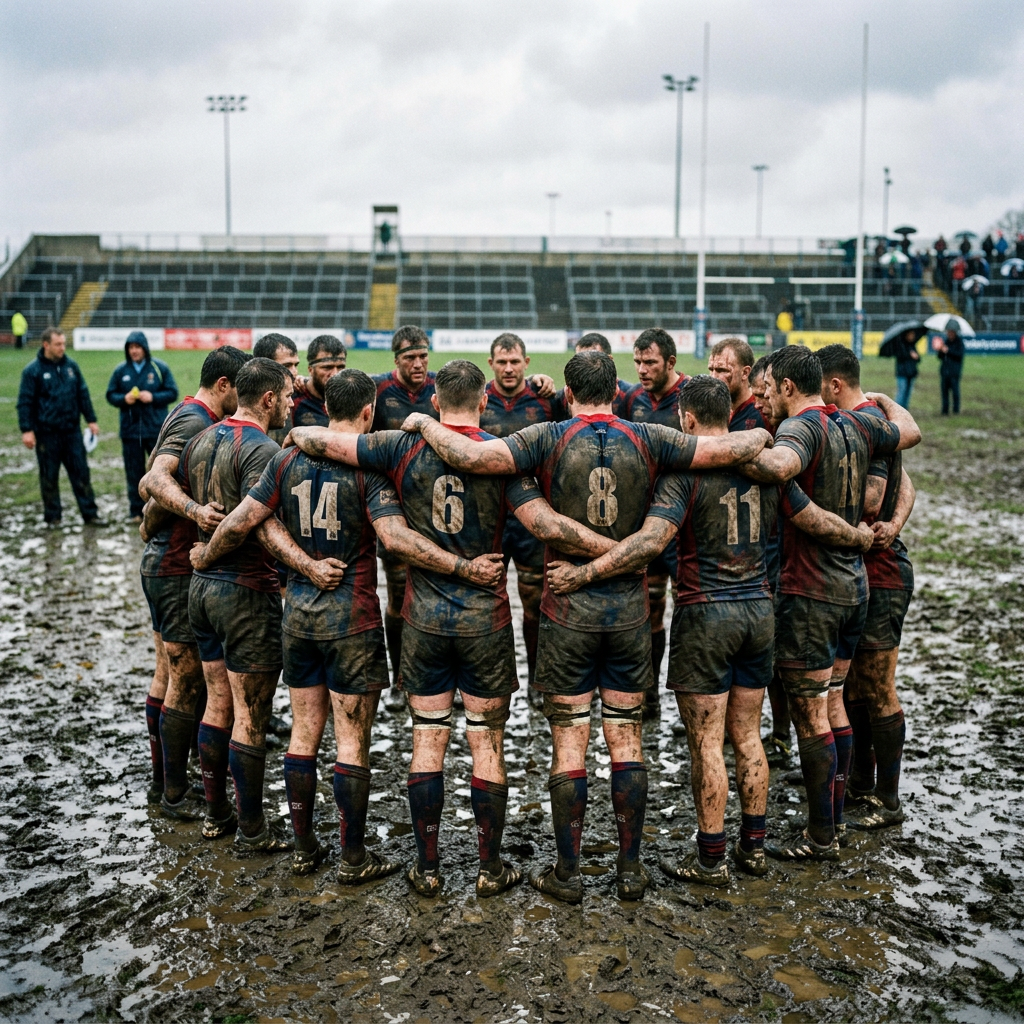
It started with a whisper—a factory closing, a family moving away, a rumor at the diner that grew into a shout. Our town, a place where everyone knew each other’s names, began to show a hairline crack. It wasn’t a sudden collapse; it was a slow, grinding separation. Neighbors who once shared fence lines now argued over water rights. The high school, once a rallying point, became a place of cliques and resentments. I watched this fracture from the sideline, mud on my boots, a rugby ball in my hands, feeling the same tension in the scrum, but knowing we had a playbook for that. The question was: could we use it on the streets?
From the Backfield to the Frontline of a Town’s Struggles
Rugby is not a game of solitude. It is a game of connected chaos. When the local mill announced layoffs, our team—a ragtag bunch of farmers, mechanics, and teachers—found ourselves on the frontline of a different kind of match. The backfield of the pitch became the town square. We didn’t have a coach’s whistle; we had a town meeting. The drills we had run a hundred times—the ruck clearance, the quick line-out, the switch play—suddenly had new meaning.
- Ruck clearance taught us to clear out the mess: When arguments flared, we stepped in not as referees, but as teammates, creating space for dialogue.
- The quick line-out showed us the value of swift, decisive action: We organized food drives and skill-sharing workshops before the winter set in.
- The switch play became a metaphor for changing direction: Instead of blaming each other, we pivoted to support local businesses and start a community garden.
Standing on the muddy pitch after a practice, we realized the breakdown—the moment bodies collide for the ball—was no different from the town council’s deadlocked meetings. We practiced reclaiming possession. In real life, that meant reclaiming our shared purpose.
Standing Together When the Ground Under Us Splits
The ground did split. A flash flood took out the bridge connecting the east side to the west. It was a physical symbol of our emotional divide. But rugby had taught us something crucial: when the ground is unstable, you lock arms and lower your shoulders.
> “You can’t win a match alone. You win it in the maul, shoulder to shoulder, breath to breath.” — Our old coach’s mantra, now a lifeline for our community.
We formed a human chain across the broken bridge, passing supplies and children from one side to the other. It was a drill in itself—the maul. We practiced driving forward as a single unit, feet planted, heads up. The rain soaked us, but no one broke formation. The town saw us, and slowly, the crack began to seal.
Discipline on the Pitch, Unity on the Streets
Rugby demands discipline—not just physical, but emotional. You don’t punch the player who tackles you low; you get up, reset, and find a gap. In our fractured town, discipline meant biting back the angry words at the grocery store line and offering help instead.
We ran specific drills that became part of our community DNA:
- Drill #1: The Support Run — Always have someone running behind the ball carrier. In town, that meant no one faced hardship alone. We created a buddy system for families struggling with bills.
- Drill #2: The Loop — A player passes, loops around, and takes the ball again. This became our skill exchange: a mechanic taught carpentry, a teacher offered math tutoring, a chef ran a soup kitchen.
- Drill #3: The Defensive Line — Stay in a straight line, even when tired. At town meetings, we agreed to listen without interrupting, to hold the line of respect.
The discipline of the pitch bled into the streets. Young players who once only knew the thrill of a try now knew the satisfaction of re-roofing a neighbor’s house after a storm.
How Our Drills Became the Glue for a Breaking Town
This is the part that still surprises me: we never set out to save the town. We just wanted to be good at rugby. But the intentional repetition of drills—the same actions, day after day—created a muscle memory for teamwork. When the town wobbled, our bodies knew what to do.
Consider these tips for anyone trying to mend their own community:
> Tip #1: Practice the small things. A pass that is always crisp builds trust. A simple “good job” after a missed kick builds resilience. Apply this to community gestures—a thank-you note, a shared meal.
> Tip #2: Embrace the reset. In rugby, when a play breaks down, you reset at the center mark. In life, when an argument erupts, take a breath. Come back to the middle ground. Start the drill again.
> Tip #3: Celebrate the unsung players. The scrum-half, the prop, the lock—they don’t get the tries, but they set them up. In town, thank the volunteer who sets up chairs, the clerk who stays late, the parent who drives the carpool.
We didn’t fix everything. The crack is still visible, like a scar on an old photo. But we learned that a town, like a rugby team, doesn’t need to be perfect. It needs to be present. It needs to drill its unity every single day.
Conclusion
On the final night of the rugby season, we gathered under the floodlights. The field was patchy, the town still mending. But as we formed our final scrum of the year—heads locked, backs wedged, legs driving—I felt the ground beneath us tremble not with fracture, but with power. We had held the town together, not with speeches or grand plans, but with the simple, brutal, beautiful act of staying in the game. That, I believe, is the only drill that ever truly matters.
Leave a Reply