The Empire’s Graph: A Ticket Booth View of Decline
Our town, Millbrook, wasn’t always a ghost in the making. For decades, the local economy revolved around a dying shopping mall, a shuttered textile plant, and a lottery ticket booth that seemed busier than the post office. I saw the decline from the best seat in the house—the ticket booth. As the town’s only lottery and sports-betting clerk, I watched people throw their last paycheck at scratch-offs and parlays. The town’s lifeblood was draining into a paper shredder of hope and addiction.
The data was brutal. In 2018 alone, Millbrook residents spent over $1.2 million on lottery tickets, but the town itself saw zero economic return. The mall lost its last anchor store. The high school football field’s lights were turned off to save money. Main Street had more “For Lease” signs than occupied storefronts. It looked like a slow-motion catastrophe, until a small group of us (a retired statistician, a broke former trader, and me, the ticket seller) realized the problem wasn’t the desire to bet—it was how we were betting.
Cutting Out the Cancer: Why Gambling Had to Go First
We didn’t suddenly become trillionaires. We became disciplinarians. The first lesson? Traditional gambling is a tax on the mathematically illiterate. The lottery has a built-in house edge of 50% or more. Sportsbook parlays? The house edge can exceed 30%. Playing those games wasn’t investing; it was a slow bleed.
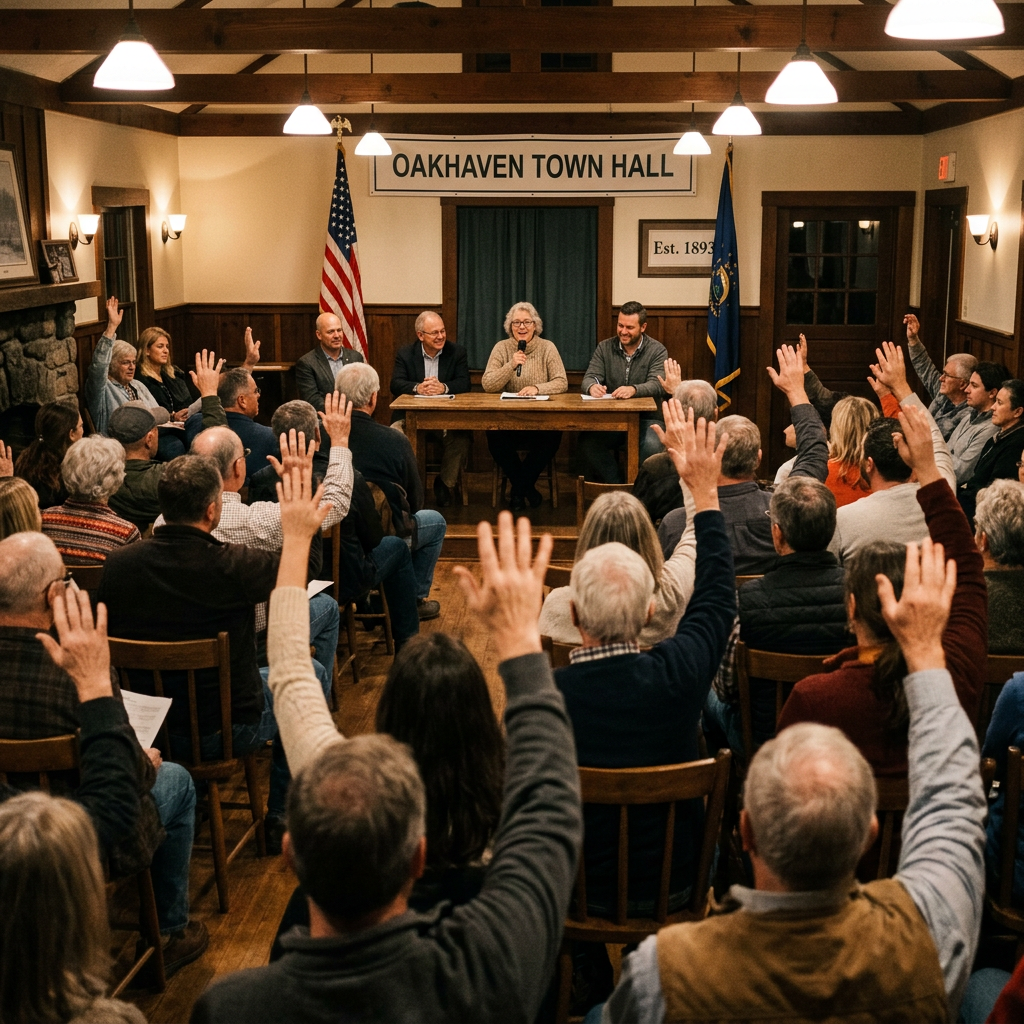
Our first town hall meeting was tense. People wanted their Powerball tickets. But we showed them the numbers. We proposed a radical shift: stop buying lottery tickets, and instead, pool money into a community-led sports investing fund. The rules were simple:
- No parlays: Every bet is a single, researched wager.
- No emotional bets: No betting on your favorite team just because.
- No chasing losses: If we lose two bets in a row, we take a 48-hour break.
- Focus on inefficiencies: Exploit lines that the books misprice (e.g., obscure tennis matches, e-sports, or player props).
The first month was brutal. People mocked us. But when we posted our ledger publicly—showing a modest 4% gain while the lottery booth lost 30% of its customers—the tide began to turn.
Discipline, Unity, Patience: Our Three Investing Principles
We built our system on three pillars. They sound simple, but sticking to them was the hardest part. Here’s how we framed it for the town:
> Principle #1: Discipline — Treat sports investing like a business, not a game. We set a strict bankroll of $50,000 total. No single wager could exceed 2% of the bankroll. No exceptions.
> Principle #2: Unity — This wasn’t individual greed. We created a cooperative structure where profits were shared proportionally. Every resident who contributed (even $20) got a stake. We held weekly meetings online to discuss picks based on data, not hype.
> Principle #3: Patience — We aimed for 5-7% returns per month, not 500% in a week. Compound interest is the eighth wonder of the world, but only if you don’t blow up your account.
We also banned all forms of gambling that didn’t have a statistical edge. That meant:
- Banned:
- Lottery tickets
- Roulette or casino games
- Accumulator (parlay) bets
- Allowed (with strict guidelines):
- Single game moneylines and spreads
- Player prop bets with quantified edges (e.g., a player’s assist line when the star is injured)
- Live betting only on clearly defined statistical opportunities
From Red to Green: How Sports Investing Reversed the Slope
The first six months were a grind. We went from $50,000 to $54,200—a modest 8.4% gain. But then came the college basketball tournament. Our statistician found a glaring inefficiency: mid-major teams with elite three-point shooting were consistently undervalued against power-conference teams. We pounced. Over three weeks, our bankroll jumped to $68,000.
By the end of year one, we had $82,000. Year two: $130,000. We started using the profits for community projects:
- $15,000 to fix the high school football field lights.
- $10,000 to reopen the town’s only grocery store’s deli counter.
- $5,000 to sponsor a free financial literacy class.
The key metric wasn’t just profit—it was behavioral change. Lottery sales in Millbrook dropped by 80%. People started asking, “Where is the value?” instead of “Who do I think will win?” The fatal decline slowed, then stopped. Empty storefronts started filling with coffee shops and a small bookstore. The town’s spirit shifted from desperation to calculation.
The Old Statistician’s Smile: A Town Saved by the Numbers
The statistician, Mr. Albright, is 78 now. He still sits in the back of our weekly meetings with a laptop and a cup of black coffee. He never smiles during a winning bet, but he smiled the day we bought the old movie theater and turned it into a community center.
He said to me once: “Numbers don’t have feelings. That’s why they never lie. Gambling is taking a feeling and trying to force it into a number. Investing is taking a number and using it to make the world better.”
Millbrook didn’t become Las Vegas. We didn’t become millionaires. But we saved ourselves. The town’s population has stabilized. New families have moved in. And every week, when I see kids playing soccer on the field we helped light, I remember that ticket booth. The only thing we’re selling now is hope—backed by data, discipline, and a community that learned that the best investment is in each other.
Conclusion
Sports investing didn’t make us rich. It made us rational. It gave us a tool to reverse a fatal decline, not by chasing quick wins, but by respecting the numbers. If your town is bleeding out from lottery tickets and bad bets, the formula is the same: cut the cancer of high-house-edge gambling, unite around a disciplined system, be patient, and watch the slope change direction. Millbrook’s graph is now green. Your town’s can be too.
Leave a Reply