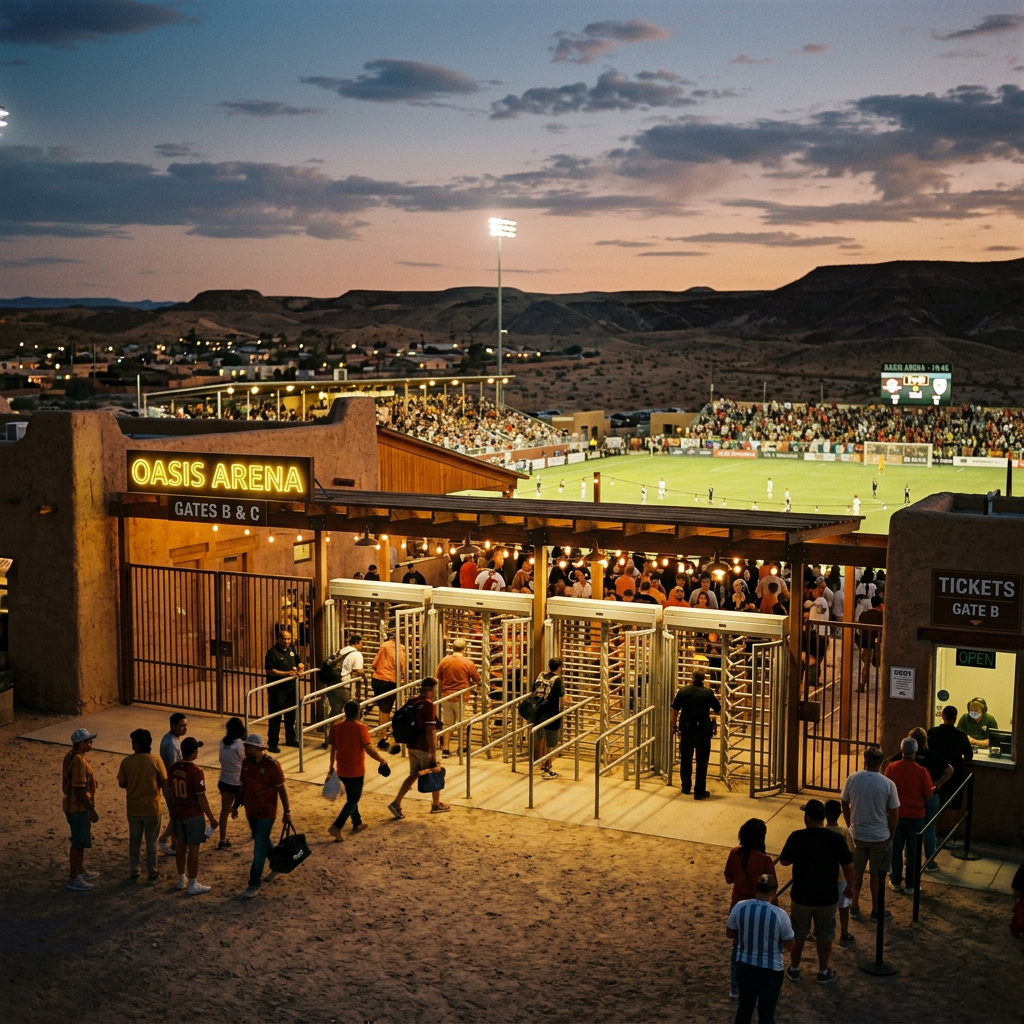
The Silent Alarm at Tindouf’s Ticket Booth
It started as a humdrum Thursday afternoon. The sun was bleaching the concrete outside the stadium, and the air smelled of roasted peanuts and distant dust. At the ticket booth, a bored attendant, Moussa, was processing a queue of eager fans for the weekend match. He swiped the card of a middle-aged man in a faded jersey, and the machine didn’t just deny the transaction—it screamed. A red, pulsating screen flashed a four-digit code he had never seen. A silent alarm, triggered not by a stolen wallet or a counterfeit note, but by a pattern of digital behavior: the man had placed three sports bets that morning using a mobile account linked to his season ticket. The system recognized the intention behind the ticket—and slammed the gates shut before his foot ever touched the turnstile.
When the Gates Refused Human Hands
Those turnstiles, once symbols of joyful ingress, became stoic sentinels. Over the following month, they refused entry to over two hundred people. Not because their tickets were fake or expired, but because their identities were flagged by a new behavioral contract tied to season passes. The refusal was automatic. A screen would display a simple message: “Ticket not eligible for this match. Contact the club’s player care office.” But everyone knew what it meant. It meant you were suspected of gambling—whether you had a betting slip in your pocket or not.
> Key point: The policy was not about catching gamblers at the turnstile. It was about preemptive discipline. The club had purchased a third-party data analysis tool that cross-referenced player registration data with betting platform records.
Community reaction was split. Some called it a privacy nightmare. Others saw it as long-overdue accountability. Yet everyone felt the weight of judgment hovering over that mechanical beep. The gates didn’t just lock out a body; they locked out a human being who had lost control—or who might never have lost control but was now treated as a liability.
The Team’s Ultimatum: Banish Gambling or Stay Locked
The tipping point arrived via a leaked memo from the team’s management. The players had issued a collective ultimatum: stop the stadium-linked betting bans, or we will refuse to play home games. The athletes—many from modest Saharan towns in the region—argued that the policy was ruining lives and alienating their most loyal supporters. They refused to be pawns in a moral purity campaign that used their fame as a weapon.
The memo listed three demands:
- Immediate suspension: Lift the data-matching system for the remainder of the season.
- Independent review: A third-party commission to evaluate whether the data collection violated local privacy laws.
- Restorative measures: Replace punitive bans with friendly payment plans and clinic referrals for verifiable gambling addicts.
One player, a soft-spoken striker from an adjacent district, said: “If a fan bets on me to score, and I miss, am I not also a gambler’s victim? We are all in this game together. We don’t cast out our own family.”
A Town Forced to Look Inward Through a Jammed Gate
Tindouf, a dusty town better known for its prehistoric cave paintings than its football team, suddenly became a case study in the limits of behavioral surveillance. Without the stadium’s weekly gatherings, the local economy stuttered. The peanut vendor went back to selling charcoal. The scarf seller lost his best corner. The taxis that shuttled fans from the bus station to the gates sat idle.
The debate spilled into the streets. At a town hall meeting in a mosque courtyard, a local imam spoke:
> “The Prophet, peace be upon him, warned us against the game of chance that consumes wealth. But the young man who bets on a goal is drowning in a sea he cannot see. To lock him outside isn’t to teach him to swim—it’s to let him drown alone in the darkness.”
The community realized that the real opponent wasn’t a bettor or a bureaucratic stadium—it was the silence that allowed addiction to thrive behind a closed door. The jammed gate became a mirror: it forced everyone to ask whether the cure was worse than the disease.
What the Digital Sign Revealed About Our Wager
The scandal didn’t end with the team’s walkout or the lifting of the policy. It ended with a quiet, digital revelation. On the stadium’s main screen—the giant LED that usually displayed team logos and upcoming fixtures—someone hacked it for ten minutes before it was taken down. In enormous red letters, it read: “YOU BET ON ME. I BET ON YOU. WHO LOSES?”
The message was gone before anyone could photograph it, but it sparked a final reckoning. People began to see that gambling wasn’t just a spectator addiction—it was woven into the very fabric of fandom. Every chant, every ticket bought on credit, every scream at a goalkeeping error—it was all a wager, a roll of the dice.
The real lesson from Tindouf is that the fear of losing control has made us dangerous bureaucrats of the human heart. We build systems to protect people by shutting them out, but the only door that can save a gambler is the one that opens inward.
> Closing reminder: If you or someone you know struggles with gambling, look for a door that opens—not one that slams shut. Contact local support groups or your region’s addiction helpline. The stadium is meant to celebrate resilience, not punish vulnerability.
Leave a Reply