When Memory Falls as Hail
There are moments in life when the past ceases to be a quiet whisper and becomes something tangible—hard, cold, and relentless. We often imagine memory as soft and malleable, like mist or water. But the truth is more brutal: memory can crystallize, and when it does, it falls upon us like hailstones. Each icy pellet carries the weight of a forgotten word, a buried secret, or a shadow of shame we thought we had outrun.
Think of those nights when you lie awake, and a single image from years ago strikes you, the way ice might hit a roof at midnight. It’s not nostalgia; it’s recollection with teeth. These hailstones of memory don’t melt easily. They accumulate until the storm is too loud to ignore, forcing us to reckon with what we have done and what has been done to us.
> Memory is not a river; it is a quarry. What you carve out of it today will one day fall back upon you as stone.
The Weight of Buried Truths
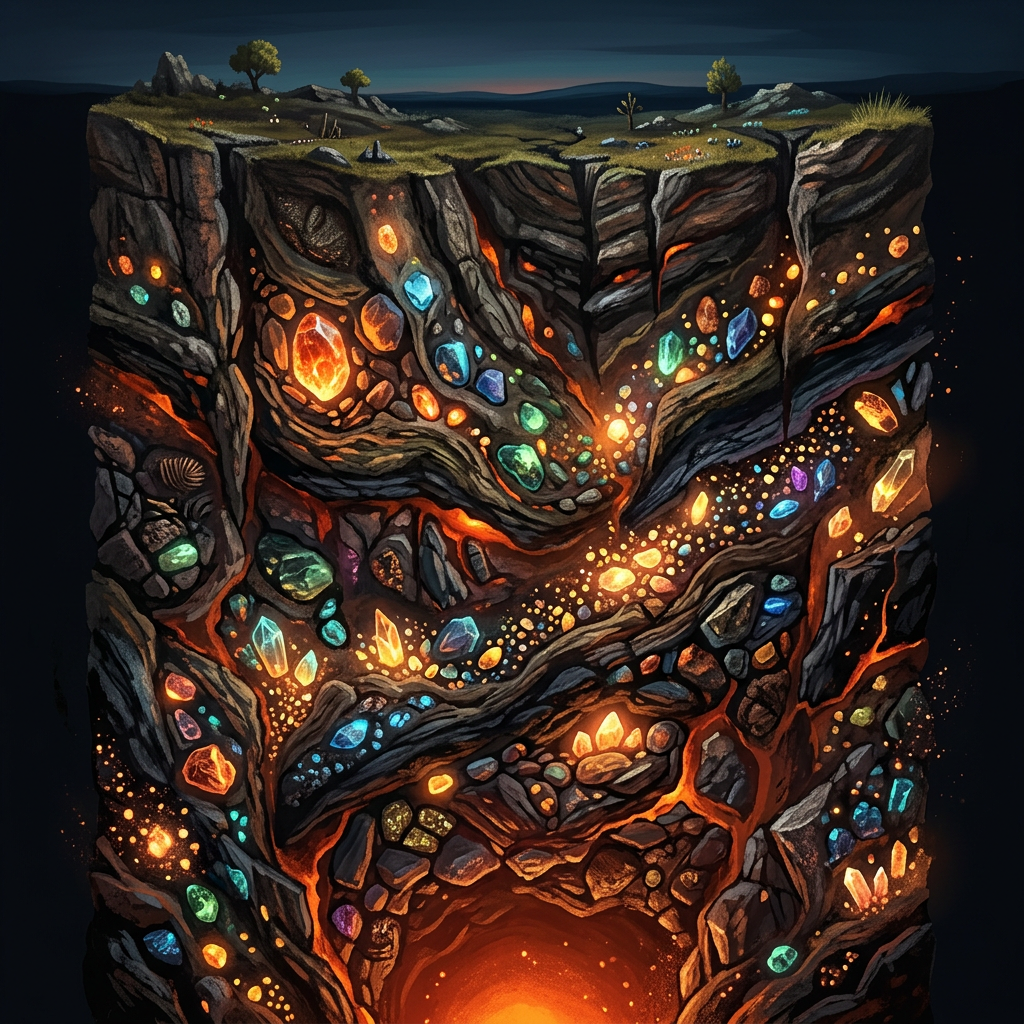
We are masters of burial. When a truth feels too heavy to lift, we dig a hole and shove it inside—an unkind word to a loved one, a moment of cowardice, a debt we refused to repay. But silence does not erase weight; it only relocates it.
- Buried truths become denser over time, compressed by years of denial.
- They press against the soil of our conscience, eventually cracking the surface.
- You can fill the grave with excuses, but the ground will always bulge.
What you hide often turns into a lodestone—a stone that attracts more stones. One small secret invites another, until your inner landscape is littered with markers of shame. The tragedy is that these buried stones do not rest. They shift, gather, and eventually, they rise.
Deeds We Cast Aside Return
There is a peculiar myth that what we abandon stays abandoned. I once knew a man who walked away from a business partnership, leaving his friend to shoulder the collapse. He changed cities, changed names, and swore the past was dead. Then, twenty years later, he received a letter—not angry, but precise, reminding him of a debt that had grown interest in the heart.
Our deeds have a strange gravity. They orbit us like errant moons. You can toss them over the horizon, but the arc of return is long and inevitable.
- A lie you told for convenience returns as a rumor of your character.
- A betrayal whispered to the wind returns as a roar of distrust.
- A kindness you forgot to give returns as an echo of loneliness.
> What we sow in silence, we reap in stone. The field of consequence is patient—but never empty.
Judgment Made Solid by Our Hands
We often imagine judgment as a divine event, something that descends from above. But the hailstones of memory are not thrown by gods; they are thrown by us. Every time we look in the mirror and flinch, every time we hear a familiar voice in a stranger’s laugh—we are enacting our own verdict.
Judgment is not a lightning bolt; it is a sculpture we build with our own hands, chipping away at hope and replacing it with stone fragments of guilt.
- We hold juries in our minds, prosecuting ourselves with old evidence.
- We sentence ourselves to years of restless nights.
- We become both the warden and the prisoner of our own past.
The irony is that we alone hold the hammer that can break these stones. But first, we must admit that the fortress of our suffering was built with bricks we, in ignorance, laid ourselves.
The Storm That Unearths Our Past
Life has a way of engineering storms. A crisis, a loss, a sudden quiet—and the ground begins to tremble. The hailstones that fell gently at first now descend with fury. They do not come to destroy us, but to reveal what we have hidden from ourselves.
Welcome the storm. When memory falls like hail, it stings—but it also clears the air. Each icy fragment that strikes your skin is a chance to stop running. You can stand in the rain, feel the cold, and say, “Yes, this is what I did, and this is who I was.”
- The storm reveals the map of your buried deeds.
- It exposes the fault lines in your smiles.
- It gives you a rare, raw clarity about the life you’ve lived.
> The hail does not ask for your permission. It asks only for your attention. Listen well, and you may learn that the hardest stones are the ones you were meant to carry, not as a burden, but as a teacher.
Conclusion
We cannot stop the hailstones of memory from falling. They will come whether we are ready or not—each one a crystallized moment of choice, silence, or action. But we can change how we meet them. Instead of building shelters of denial, we can open our palms and let the stones rest there. They are heavy, yes. But they are also ours.
When our deeds return as stone, they offer us an unexpected gift: the chance to hold what we have made, feel its true weight, and finally choose what to do with it. You can throw it away, but it will find its way back. Or you can set it down, study its shape, and build something honest from the rubble.
In the end, the hail stops. The sky clears. And what remains is not punishment, but a ground of hard-won truth from which new growth can begin.
Leave a Reply