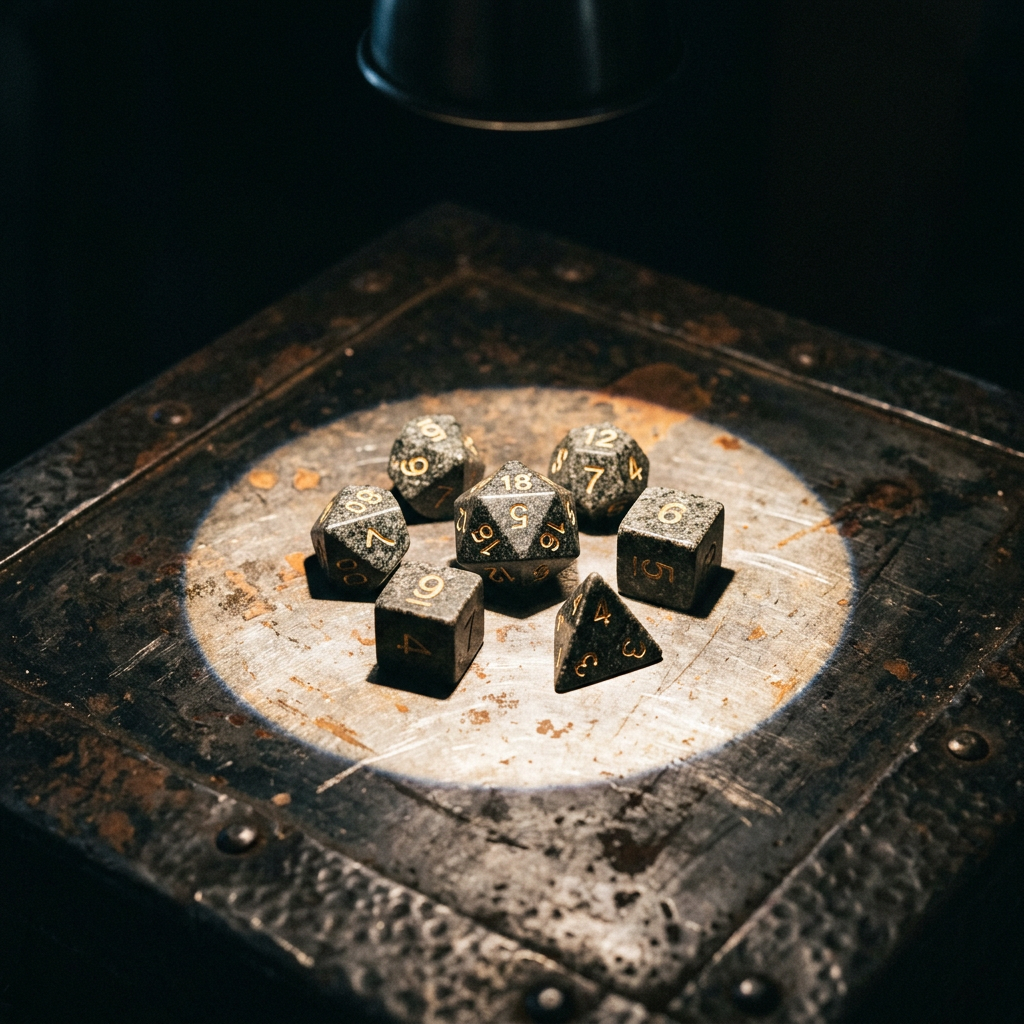
When Randomness Dies, the House Always Loses
There is a quiet horror at the heart of every casino, every lottery ticket, every slot machine. It is not the glitter or the free drinks or the ding of a jackpot. It is the presence of chance—the one element that transforms a decision into a fever dream. Addiction to gambling, like so many other behavioral traps, feeds on randomness. When that randomness vanishes, the entire architecture of exploitation collapses. Remove the dice, remove the spin, remove the unknown, and the house doesn’t just lose its edge—it loses its reason to exist.
This article explores a profound truth: the moment chance ends, addiction’s power dies with it.
Addiction’s Power Crumbles as Chance Vanishes
Addiction to gambling is not fueled by the hope of winning. It is fueled by intermittent reinforcement—the unpredictable schedule of rewards that keeps the brain hooked. When a person knows the outcome is random, they keep playing because the next moment could be different. This is the same mechanism that makes a slot machine more addictive than a fixed salary.
Consider what happens when randomness is removed:
- No variable reward: The brain stops producing surges of dopamine.
- No illusion of control: The gambler can no longer convince themselves they have a strategy.
- No “just one more” loop: Without uncertainty, the cycle of chasing losses becomes absurd.
When the outcome is deterministic, the behavior flips. A person playing a game where they know they will lose every time will stop after the first round. The compulsion vanishes because the engine of addiction runs on uncertainty. Take away that uncertainty, and the engine sputters and dies.
The Collapse of Every Game Built on Luck
Every game of chance—from roulette to blackjack to lottery scratchers—is built on a foundation of randomness. If you were told the exact outcome before you placed a bet, would you still play? Of course not. The game itself becomes meaningless. This is why the idea of “when chance ends” is so devastating to the exploitation model.
Let’s examine the mechanics:
- Slot machines rely on a random number generator (RNG). If the RNG is set to always lose after three spins, the player leaves after three spins. The house loses its “churn.”
- Poker relies on unknown cards. If all cards were face up, the game becomes pure math—and only the best mathematicians would stay.
- Lotteries would collapse instantly if the numbers were predetermined and public.
> Key insight: The exploitation of addiction is not about the money. It’s about the mechanism of surprise. Remove the surprise, and you remove the hook.
The entire industry is a house of cards built on the illusion that the future is unknown. Once you reveal that the future is fixed, the player walks away. This is not a moral failing—it is a logical outcome.
From Gambling’s Ashes, Freedom Finally Rises
When randomness dies, something unexpected rises from the ruins: freedom. The freedom to choose without compulsion. The freedom to recognize that every dollar you spent on chance was really a tax on hope. But more importantly, it is a freedom from the psychological bondage that exploitation creates.
Here is what happens when a person realizes that chance is gone:
- Clarity replaces confusion: The fog of “maybe next time” lifts.
- Power shifts to the individual: Without the variable reward, the gambler can finally see the odds for what they are.
- New behaviors emerge: Instead of chasing losses, the individual can invest that energy into predictable, skill-based pursuits or genuine leisure.
Think about the contrast. A gambler trapped by randomness is constantly on edge. A person who knows the outcome is no longer a gambler at all. They become a decision-maker. And decision-makers do not get exploited by the house; they simply leave.
> A crucial note for those struggling: You do not need to eliminate all risk from life to break free. You only need to stop feeding the beast that thrives on unpredictability. Find activities with clear input and clear output—sports, art, learning a skill—and watch how your brain recalibrates.
Exploitation Ends When the Dice No Longer Roll
The final point is the most powerful. Exploitation is not inherent to gambling. It is not about the chips, the tables, or the cards. Exploitation is about information asymmetry. The house knows the odds; the player does not feel them. But when the dice stop rolling, that asymmetry vanishes.
Here is the hard truth that every gambler must face:
- If the game is random, you cannot win in the long run.
- If the game is not random, it is not gambling—it is fraud or routine.
- The moment you know the outcome, you are no longer a player. You are a spectator.
The death of addiction comes when the randomness is laid bare. It is not a slow decline. It is a sudden, brutal reveal. The gambler who thought they were playing a game of skill is forced to see that they were merely pulling a lever attached to a broken machine.
And in that moment of clarity, exploitation dies.
Conclusion
When chance ends, the house does not just lose—it ceases to exist. The slot machines fall silent. The roulette wheel stops. The cards stay face up. And the person who was once a “problem gambler” becomes simply a person again.
The death of addiction is not a tragedy. It is the natural result of removing the fuel that feeds it. Randomness is that fuel. Intermittent rewards are the spark. And when you take both away, the fire goes out.
We do not need to cure gambling addiction by force of will alone. We need to understand its mechanics. Once you understand that the house wins only because you cannot see the future, you stop giving them your money. You stop giving them your time. You stop giving them your soul.
The dice will never roll again—and that is the best thing that could ever happen.
Leave a Reply