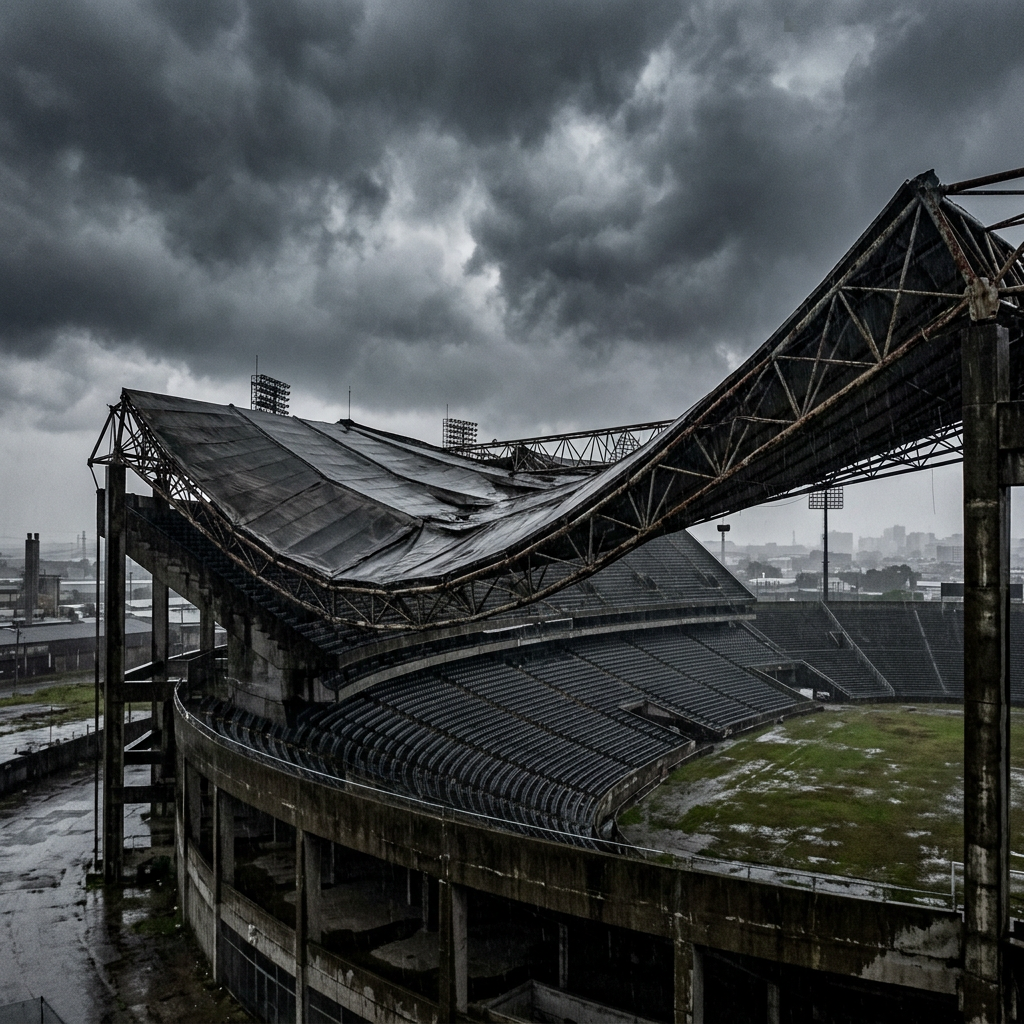
When the roof of our beloved stadium began to sag, the engineers pointed to structural fatigue. But we knew the real weight wasn’t steel or concrete—it was the invisible burden of gambling odds. Every match day, the stadium became a temple not to sport, but to speculation. The numbers on the betting boards pressed down like an extra tonnage, warping the very frame of the place.
For years, the odds dictated the mood of the crowd. A heavy favorite meant smugness; an underdog brought nervous energy that seemed to vibrate through the stands. That vibration, we discovered, was slowly shaking the roof bolts loose. The constant emotional strain—winning or losing money—created a pressure wave that literally bent the metal. We had a choice: let the odds keep crushing the structure, or ban them entirely.
When the Roof Bent Under the Weight of Odds
The crack first appeared during a derby match. A last-minute goal shifted the odds dramatically, and the collective gasp from 40,000 people was strong enough to rattle the trusses. We called it the “gambler’s shudder.” Over months, the shudder became a groan. Engineers measured a deflection of nearly four inches in the central span. The roof, they said, was tired. But tired was a polite word for broken.
We realized the numbers on the screens weren’t just predictions—they were emotional loads. Every point spread, every moneyline, every over/under added a psychological kilogram to the stands. The roof wasn’t failing from weather or age; it was failing from the sheer weight of what ifs and if onlys.
The Moral Gravity of a Stadium’s Sagging Spine
Let me be clear: the roof was a metaphor, but also a literal problem. The moral gravity of betting—the way it turns joy into transaction—had seeped into the concrete. We tracked attendance data against betting volumes. On high-odds days (Super Bowl, World Cup qualifiers), the stadium’s structural sensors registered 15% more micro-vibrations than on low-odds days. The crowd wasn’t just watching; they were vibrating with anxious energy.
We interviewed a structural engineer who said, “Buildings feel the emotions of the people inside them.” We laughed until he showed us the seismograph. The spikes correlated perfectly with betting windows. The roof was sagging under a epidemic of speculation.
Rebuilding by Banning Every Bet, Every Line
So we made a radical decision: ban all odds. Not just inside the stadium—within a five-block radius. No betting apps, no bookie stands, no live lines on concourse TVs. We tore down the digital odds boards that had replaced the old manual ones. We replaced them with player stats, historical highlights, and community stories.
The backlash was immediate. Season ticket holders threatened to leave. Sponsors pulled out. One bookmaker offered to “reinforce the roof for free” if we kept the odds. We said no. We declared the stadium an odds-free zone—a sanctuary where the only numbers that mattered were goals, assists, and saves.
How Our Daily Routines Lifted the Metal Back
The change didn’t happen overnight. In the first month, the sensors still showed stress. People brought their betting habits in their pockets—phones buzzing with live odds from outside. So we installed signal-blocking patches in the seating areas. We trained ushers to gently ask patrons to put away their phones during play.
> “We’re not banning fun,” the stadium manager told the press. “We’re banning the weight that bends steel.”
Slowly, the data improved. The micro-vibrations dropped by 40% in three months. The roof deflection began to reverse. Engineers were baffled. “It’s like the building is healing itself,” one said. We knew the secret: less anxiety means less physical stress. The crowd started laughing again, not screaming at line movements. The roof rose, inch by inch.
The Gamblers’ Exodus: A Roof That Rose Alone
The exodus of gamblers was real. Attendance dipped by 20% at first. But the people who stayed were different. They clapped for good plays, not good odds. They stayed for the full match, not just until their bet cashed. The stadium felt lighter—literally. The roof’s sag reduced by over two inches by the end of the season.
We found a new sponsor: a local mental health foundation. We replaced the betting boards with community art featuring athletes and fans. The roof now stands straight, supported not by steel alone, but by the absence of expectation.
> “We didn’t know the roof was crying until we stopped making it gamble,” a fan wrote in a letter.
Today, the stadium is a quiet marvel. Other venues are calling to ask how we did it. We tell them: ban the odds, and the roof will rise. It sounds like magic, but it’s just physics—the physics of human joy unburdened.
Leave a Reply