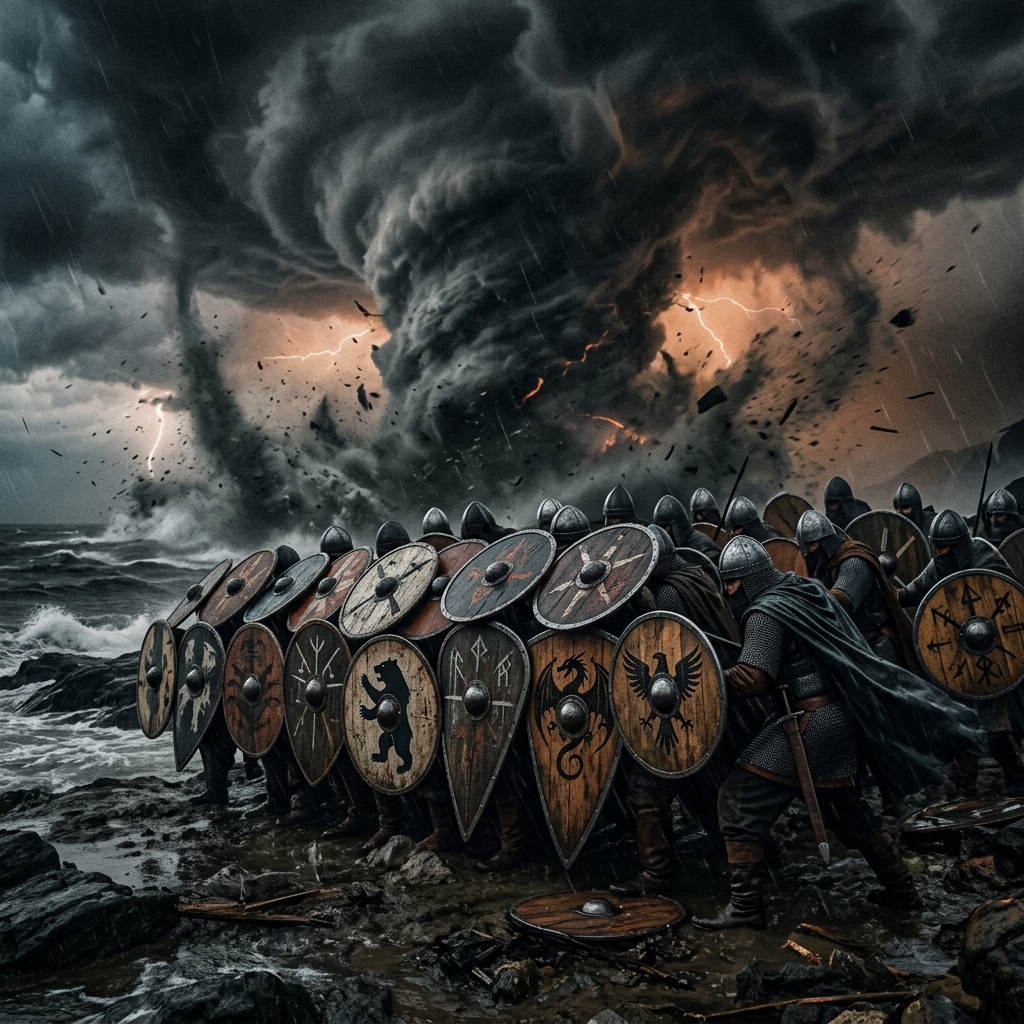
Every coach, strategist, or leader knows the peculiar ache of preparing for a fight that hasn’t arrived. You drill the movements, rehearse the speeches, and map out the terrain, but the opponent is a ghost. The crowd you are training for—the one that will cheer, panic, or flee—exists only in theory. This article is about that strange, necessary work: training for the crowd that wasn’t there yet.
The Drills That Felt Wrong for the Match
In the gym or on the field, the drills often feel like a mismatch. You run a play designed for a packed stadium, but the bleachers are empty. The rhythm of the whistle echoes off silence. Here is what that dissonance teaches:
- Repetition without reward builds muscle memory for chaos. When the crowd finally arrives, your body won’t hesitate because it has already performed a thousand times in the void.
- Drills that feel absurd—like shouting commands to an imaginary wall—forge the discipline to ignore distraction. The crowd may be absent, but the noise of possibility is real.
- Tempo work becomes a meditation. You learn to sustain a sprint when there is no one to witness the finish line.
The key is to trust the process even when the applause is missing. As one veteran coach once muttered, “If the drill feels too easy, you aren’t doing it with the crowd in mind.”
> Tip: Turn the empty space into an opponent. Visualize the roar, the movement, the heat. The crowd that isn’t there yet is still watching.
When Coach Spoke of Civilization’s Collapse
I remember a cold Tuesday evening in a dusty locker room. Our coach, a man who rarely raised his voice, gathered us close. He didn’t talk about the game. He talked about what happens when the system fails—when the referee is gone, the rules dissolve, and the stands erupt not with cheers but with fear.
He said:
> “You are training for the day when order is a memory. The crowd you prepare for won’t applaud clean plays. They will push, shove, and run. Your job is to hold a line that doesn’t exist yet.”
This was not about sport. It was about resilience in the face of collapse. He spoke of ancient cities that fell because the guards trained for parades instead of riots. Civilization, he argued, doesn’t crumble from external attack—it fails because no one practiced for the crowd that wasn’t there yet.
Gambling and the Coming Disorder in Motion
Every strategic preparation involves a gamble. You bet time, energy, and resources on a scenario that may never unfold. Here is the paradox: the very act of gambling forces you to think in terms of motion and disorder.
- The gamble of readiness: You might train for a sudden evacuation, a riot, or a supply chain breakdown. If it never happens, the training feels wasted. But the discipline of planning remains.
- The gamble of over-training: You may drill so hard for a specific crisis that you miss the real one. This is the trap of specificity.
- The coming disorder is never what you expect. The crowd that arrives will be different from the one you imagined—louder, faster, more volatile.
What saves you is not the perfect plan, but the habit of motion. You learn to move even when uncertain. As a gambler knows, you don’t win by predicting the exact card; you win by knowing when to fold and when to push.
> Key insight: Disorder favors the prepared, not the rigid. Train for the shape of chaos, not the details.
Holding a Line for a Crowd Still Miles Away
A line can be physical—a barrier, a rope, a chalk mark on a field. Or it can be psychological—a rule, a standard, a commitment to act. Training for a distant crowd means holding that line long before anyone sees it.
- Hold the line in silence. When no one is watching, your integrity is the only measure.
- Hold the line in boredom. The hours of waiting, the empty drills, the repeated failures—these are the true tests.
- Hold the line in fear. The crowd that isn’t there yet may be hostile. You must decide now, in the quiet, what you will do when they arrive.
It is easy to break a line when the pressure is absent. The discipline is to maintain it as if the entire future depends on it—because it does.
> Remember: The crowd that is miles away today will be at your doorstep tomorrow. Your line must be built before they arrive.
Bluff, December 2026: Preparing for the Unseen
Let us step into a near-future scenario. It is December 2026. The world is still reeling from the aftershocks of a decade of disruption—economic shifts, climate surprises, and social fractures. The “Bluff” is not a card game but a strategic posture: you are preparing for a crowd that may never gather, for a crisis that may never peak.
How do you prepare for the unseen?
- Scenario walkthroughs: Run exercises that simulate the worst plausible event. Not to predict it, but to inhabit the discomfort.
- Signal detection: Train your mind to notice weak signals—a change in tone, a missed beat, a flicker of tension. The unseen often sends whispers before it roars.
- Layered responses: Have multiple plans. Your first plan may fail, your second may adapt, your third may save you.
- Emotional endurance: The unseen crowd brings fear, anger, and desperation. Train your heart to stay steady when the world shakes.
The great irony of December 2026 is that the crowd you prepared for is still not there. And yet, the preparation itself becomes a fortress. You have learned to move in darkness, to trust the drill that felt wrong, to hold a line no one else sees.
Conclusion
Training for the crowd that wasn’t there yet is not a foolish exercise; it is the highest form of foresight. The empty gym, the silent stadium, the cold locker room—these are the crucibles where real resilience is forged. When the crowd finally appears—whether as a roaring audience or a breaking storm—you will not freeze. You will move. Because you have already run these steps a thousand times in the world that came before.
The crowd that wasn’t there yet was always coming. You just had to be ready.
Leave a Reply