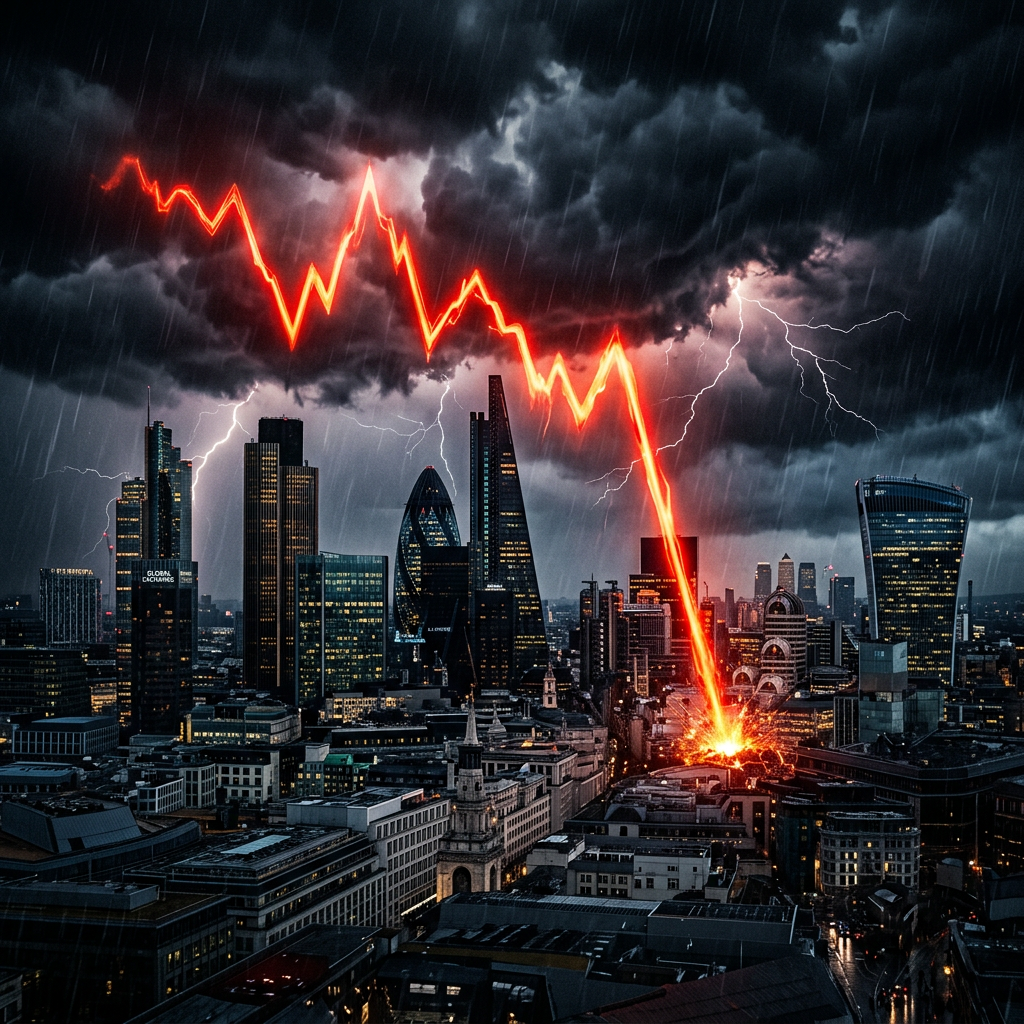
The Day the Markets Broke Silence
On the surface, it looked like any other trading day—green and red candles flickering across screens, algorithms humming in data centers, and brokers sipping coffee while watching their monitors. But beneath the calm, something had shifted. The market volatility index spiked without warning, and a cascade of stop-losses triggered a chain reaction that left even seasoned traders breathless. It was the kind of day that earns a name: Black Monday, Flash Crash, or simply the scream. For those who had studied the blueprints of past financial collapses, the warning signs were unmistakable.
Reading the Warning in the Numbers
Markets don’t just break—they communicate before they break. The blueprint we refer to here is a framework of historical patterns, data anomalies, and behavioral cues that precede major corrections. When you know what to look for, the numbers begin to whisper. Here are the key indicators that were flashing red:
> “The market’s silence is often its loudest warning. Fear doesn’t sell—denial does.” — Anonymous risk analyst
- Volume divergence: Trading volume surged while price momentum stalled, suggesting a battle between buyers and sellers.
- Correlation breakdown: Asset classes that usually move together began to drift apart, hinting at systemic stress.
- Vix term structure: The futures curve inverted, a rare event that historically signals panic is imminent.
- Liquidity evaporation: Bid-ask spreads widened dramatically, especially in smaller-cap stocks and high-yield bonds.
- Sentiment extremes: Surveys showed retail investors at peak optimism—a classic contrarian warning.
These signs didn’t appear overnight. They accumulated like water behind a dam. The blueprint caught the pressure building, even as mainstream media celebrated new all-time highs.
When Technology Amplifies the Scream
Modern markets are no longer driven by humans alone. High-frequency trading (HFT) algorithms and machine-learning models now execute the majority of trades. This creates a feedback loop that can turn a whisper into a roar. During the event, algorithmic herding kicked in:
- Bots detected the initial dip and sold simultaneously.
- Stop-loss cascades triggered further sales.
- Market makers withdrew liquidity to protect their own positions.
- Retail traders, watching the plunge, panic-sold via mobile apps.
The result was a vertical drop that took minutes but felt like hours. The blueprint had warned about this scenario: when technology acts as an amplifier, the usual circuit breakers become powerless. The crash wasn’t just a market event—it was a systems failure.
A System Built on the Edge of Collapse
Why do these screams happen? Because the financial system is not a fortress; it’s a fragile web of leverage, debt, and complex derivatives. The blueprint highlights three structural vulnerabilities that turned a routine correction into a catastrophe:
> “The most dangerous risk is the one you can see but choose to ignore.” — Nassim Taleb
- Hidden leverage: Hedge funds and pension funds often borrow against assets with thin margins. A 5% drop can force massive liquidations.
- Interconnectedness: A collapse in one asset class (e.g., bonds) ripples through options, swaps, and ETFs, causing unpredictable contagion.
- Regulatory lag: Post-2008 rules helped, but they haven’t kept pace with crypto, zero-day options, or dark pool trading.
When the markets screamed, it wasn’t just a temporary sell-off—it was the system groaning under its own weight. The blueprint had this written in bold: leverage always wins in the end, unless you respect its gravity.
What the Blueprint Saw That We Missed
Looking back, the most chilling part is not the crash itself, but what we overlooked. The blueprint offered a set of actionable warnings that most dismissed as noise:
- Central bank dependency: Years of low interest rates had bred complacency. When the Fed hinted at tightening, the reaction was violent.
- Geopolitical blind spots: A seemingly minor trade dispute was quietly escalating into a supply-chain crisis.
- Behavioral traps: Overconfidence felt like insight. “This time is different” became the mantra—until it wasn’t.
The blueprint also noted subtle shifts in institutional behavior. Large funds were quietly reducing risk weeks before the scream. They saw the writing on the wall, but their actions were invisible to most retail investors. By the time the public noticed, it was too late to hedge.
Conclusion
The markets screamed that day not because they were broken, but because they were trying to be heard. The blueprint’s warning was not a prediction of doom—it was a map of vulnerabilities, a guide to the edge of the cliff. Those who listened could have reduced losses, or even profited from volatility. Others learned the hard way that in finance, silence is never golden. The next time you see a market that feels too quiet, too calm, too perfect, remember: that’s when the scream is just around the corner. Stay humble, stay liquid, and always read the blueprint.
Leave a Reply