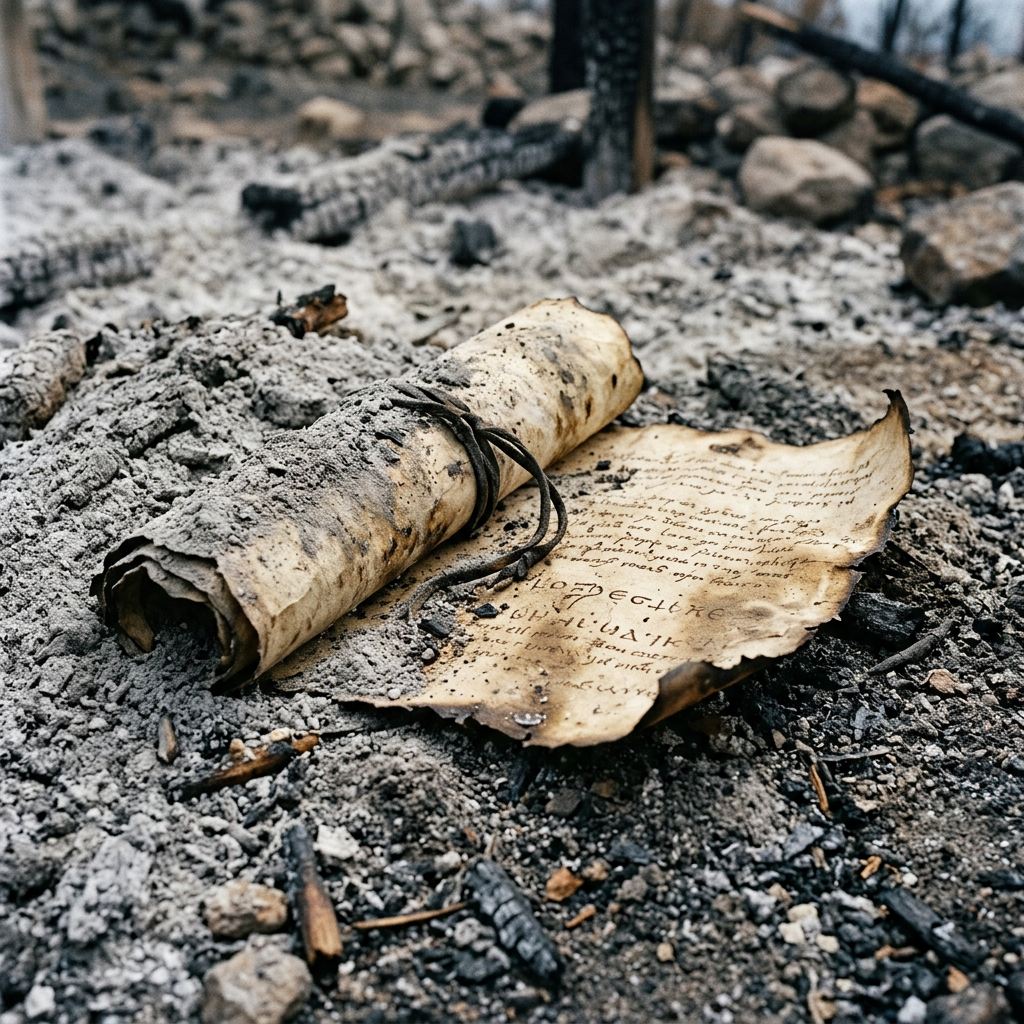
The Scroll of Ash and the Judgment
History, as we are taught, is written by the victors. But before the ink dries, it is often written in embers and ash. We look back at the decades that preceded our current era—a time of unprecedented noise—and we find not golden records, but scrolls charred by the fires of constant argument. The judgment of those times was not a court ruling or a political coup; it was the slow, suffocating realization that something had to give. The age was a fractured mirror, and the reflection it cast was of a thousand warring selves.
Voices That Shouted to Fracture the World
The era was defined not by silent consensus, but by a deafening cacophony. Certain voices rose not to build bridges, but to shatter them. These were not whispers of dissent; they were battle cries amplified by global networks. They specialized in creating irreconcilable differences.
- The Amplifiers of Rage: Figures who mastered the art of taking any event and twisting it into a weapon against an ideological enemy.
- The Merchants of Mistrust: Individuals who profited from convincing the public that all institutions—media, science, government—were irredeemably corrupt.
- The Curators of Crisis: Those who framed every minor disagreement as an existential battle, turning policy debates into holy wars.
- The Bards of Nostalgia: Voices that sang of a perfect past that never existed, convincing whole segments of society that the present was an unforgivable betrayal.
These voices didn’t just disagree; they sought to annihilate the foundation of shared reality. They used tools designed for connection to isolate and to weaponize identity. The result was a world where listening became impossible because every conversation began with a declaration of war.
The Silence That Fell Like Furnace Wind
The fracture could not hold. The pressure of constant, performative outrage became unsustainable. The silence that followed was not the gentle quiet of peace; it was the abrupt hush of a furnace door slamming shut. It was a silence born of exhaustion.
> The hottest fires leave the deepest ash. The silence that followed the shouting was not the peace of the grave, but the stunned quiet of a world realizing it had almost burned itself alive.
This silence was a judgment in itself. The public, weary of being screamed at, simply turned away. The voices that had once commanded millions found themselves speaking into an empty void. The algorithms that fed on conflict could no longer find purchase. The furnace wind of this collective indifference swept through the digital halls, and the fractures began to close not because they were healed, but because the energy to keep them open had vanished.
Discord Cries Burned Away by Unity
What emerged from the ash was a new, cautious unity. It was not born of love, but of a shared trauma and a pragmatic understanding of survival. The people who had been divided by the loudest voices realized they shared more common ground than the screamers had ever admitted.
- The Rise of Silent Competence: People began to value results over rhetoric. A quiet engineer who fixed a problem was trusted more than a loud pundit who described it.
- The Return to Localism: Global arguments faded as communities focused on fixing their own streets, schools, and gardens. The world shrunk back to a manageable size.
- The Death of the Public Shaming Mob: The tools of destruction were finally recognized as weapons, not virtues. People stopped performing outrage for an audience and started solving problems with their neighbors.
- A New Respect for Privacy: The value of a quiet life, free from the constant judgment of the digital panopticon, became the highest luxury.
This unity was not a chant of “we are the world.” It was a quiet, firm agreement: We will not do that to each other again. The discord cries were not argued down; they were simply starved of the attention they needed to survive.
Hum of the Rising Age After the Fire
The age that rose from the ashes did not roar; it hummed. It was the steady, low-frequency vibration of work being done, of things being built, of relationships being mended in private. The new era is not loud. It does not need to be.
The silence that fell was not a suppression of free thought. It was a rejection of theatrical noise. The most important revolution of this new age was the collective decision to stop giving a platform to voices whose only goal was to shatter. We learned that you do not fight a fire with gasoline.
Key lessons from the furnace:
- Boldness without wisdom is just vandalism. The bravest thing you can do today is to listen instead of perform.
The old age fractured under the weight of its own noise. The new age hums with the quiet energy of a people who have remembered what it means to be a community rather than a collection of warring factions. The scroll of ash is a reminder: we must guard the silence as fiercely as we once defended our voice.
Conclusion
The fracturing of the age was not a natural disaster; it was a choice. We chose to amplify the voices that broke us. In the end, the judgment was not cast by a king or a court, but by a populace that finally chose the dignity of silence over the thrill of a fight. The furnace wind has passed, and what remains is the hum—a sound that is quiet, steady, and infinitely more powerful than the roar of an era that chose to burn itself down. The voices that promised to fracture the world have been silenced, not by censorship, but by a civilization that simply decided it was done listening to the arsonists.
Leave a Reply