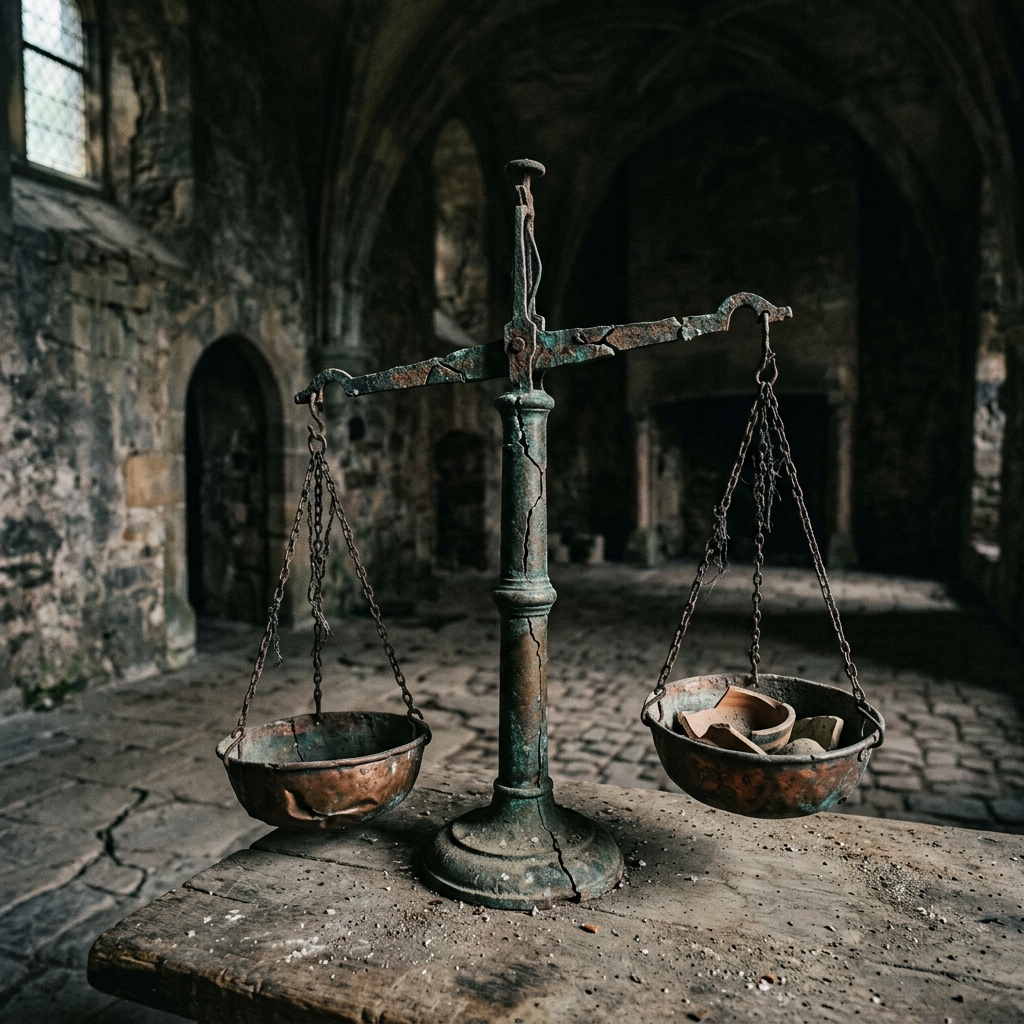
It begins not with a bang, but with a sigh. After the storm passes, after the great struggle is won, the survivors expect peace. What they do not expect is the slow, creeping fog that follows. This is the story of that fog—the second shadow that falls when the fight for balance is over. It is the battle against apathy, and it is often more dangerous than the crisis that came before.
The Silent Enemy: Why Balance Fails
Balance, by its nature, is a fragile state. It takes effort to maintain. We often imagine that once the problem is solved, life will simply be good again. But equilibrium is not a destination; it is a process.
- Comfort breeds complacency: When the immediate threat vanishes, the adrenaline fades. Without a pressing danger, the motivation to maintain effort evaporates.
- The illusion of permanence: People treat a temporary win as a permanent solution. They stop doing the small, daily work that kept the scales level.
- Loss of common purpose: Crises unite people. Peace, however, often fragments them. Everyone returns to their individual lives, forgetting the collective discipline that saved them.
> Hard truth: The very victory that saves you contains the seeds of your next defeat. The moment you believe balance is permanent, you have already begun to lose it.
When Complacency Corrodes the Foundation
Think of a garden. In a drought, you water it desperately. But when the rains finally come, do you stop watering forever? Of course not. Yet that is precisely what we do with our systems of balance—whether they are emotional, societal, or ecological.
The corrosion is subtle:
- Grudging maintenance: The tasks that were once sacred become chores. People do them with resentment, not gratitude.
- Short memory: The generation that fought for balance grows old. The next generation only knows the peace, not the price.
- Erosion of standards: “Good enough” replaces “right.” Small compromises multiply until the foundation cracks.
The tragedy is that no one notices until the cracks become chasms. The second shadow is silent because it makes no noise as it dismantles everything you built.
Teaching Vigilance to a New Generation
If the crisis taught us anything, it is that balance requires constant attention. But how do you teach vigilance to those who never knew the fall?
- Storytelling over lecturing: Do not just list facts. Tell the story of the struggle—the fear, the pain, the small wins. Make them feel the stakes.
- Create meaningful rituals: Annual remembrances are not enough. Build small, daily or weekly practices that require active participation in maintaining balance.
- Assign responsibility early: Give the young real tasks. Let them see that balance is not a gift they receive, but a garden they must tend.
- Celebrate maintenance, not just rescue: Honor the people who do the quiet work, not just the heroes of the crisis.
> Key insight: A child who learns to tighten a bolt today will guard a bridge tomorrow. Teach the action, and the vigilance follows.
Apathy: The Second Shadow After the Crisis
This is the core of the problem. Apathy is not laziness; it is an emotional death. It is the state where you no longer care if the balance tips again. It says, “It doesn’t matter. Nothing changes anyway.”
Apathy manifests as:
- Silent withdrawal: People stop participating in communal life.
- Cynicism: “The system is broken anyway” becomes a mantra.
- Selective blindness: People ignore small warning signs because addressing them feels exhausting.
- Nostalgia addiction: Living in the memory of the victory rather than the work of the present.
The second shadow does not attack you; it persuades you to lie down and sleep. And while you sleep, the first crisis quietly begins to rebuild its strength.
Discipline Over Gift: The Stewards’ New War
The first war was fought with courage against a visible enemy. The second war requires discipline against an invisible one—within yourself and your community.
Your new arsenal:
- Daily accountability: Small, measurable actions every single day. No days off from balance.
- System over motivation: Do not rely on feeling inspired. Build routines and checklists that make maintenance automatic.
- Community watch: Form small groups whose sole purpose is to notice when the fog is thickening. Apathy is harder to fight alone.
- Embracing boredom: Accept that most of the work will be unglamorous. The heroism now is in showing up for the boring tasks.
> Final wisdom: The guardians who survive the second shadow are not the most passionate. They are the most consistent. Passion ignites the fire; discipline keeps it burning.
In the end, the battle for balance is never truly over. The second shadow will always try to fall. But now you know its name. You know its silence, its weight, its false promise of rest. Fight it not with swords, but with schedules. Not with rallies, but with routines. The true victory is not in winning the fight once, but in refusing to let the fight’s memory fade.
Leave a Reply