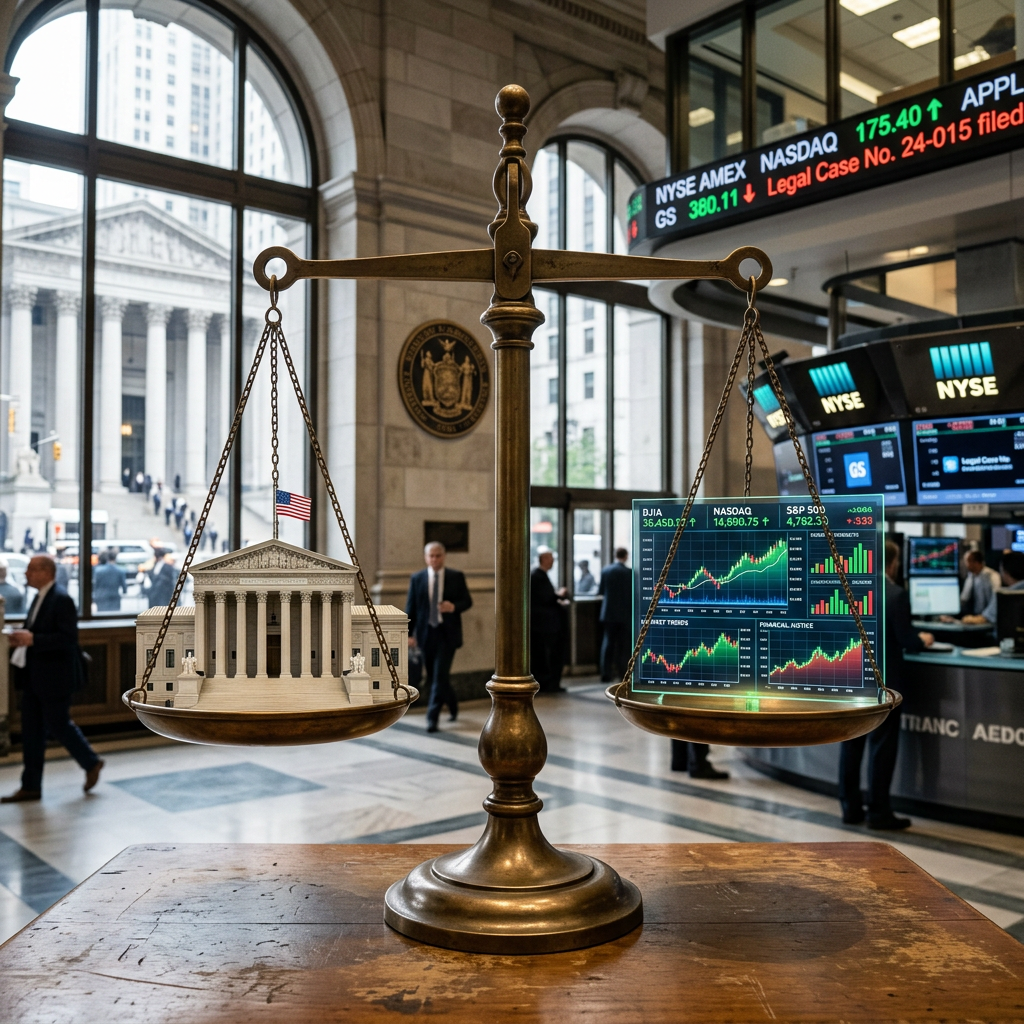
Democracy is more than a system of governance; it is a shared agreement that human decisions—messy, slow, and deliberative—are the bedrock of a just society. Yet, a quiet transformation is underway. What began as playful speculation in prediction markets is edging toward a dangerous substitution: replacing civic deliberation with algorithmic bets. When we accept that the most efficient way to decide a policy is to let a market price it, we don’t just streamline decision-making—we surrender the very meaning of human choice.
The Rise of Gambling Disguised as Innovation
Prediction markets, often praised as tools for aggregating wisdom, have subtly shifted from forecasting outcomes to influencing them. Initially, they were niche arenas where traders wagered on election results or product launches. But today, these platforms are being rebranded as “forecasting engines” for everything from pandemic policies to military interventions. The language of innovation masks the core mechanic: gambling.
- Incentives skew truth: Financial stakes reward those who can manipulate public perception, not those who reveal objective reality.
- Speed over deliberation: Markets produce instant “verdicts,” bypassing the slow, messy process of democratic debate.
- Opacity of impact: When a prediction market “predicts” a policy failure, it becomes a self-fulfilling prophecy, as investors act on that prediction.
The danger lies in the normalization of this process. We are taught to trust the “wisdom of crowds” while forgetting that crowds can be herded, manipulated, and bought. What begins as a playful side bet becomes a coercive force shaping real-world outcomes.
Why Prediction Markets Threaten Democratic Choice
Democracy relies on a foundational principle: every citizen’s voice carries equal weight, irrespective of wealth or information asymmetry. Prediction markets invert this. They reward the loudest, richest, or most connected participants. When a market assigns a 70% probability to a candidate winning, voters don’t just receive information—they receive a suggestion that their vote is futile.
> Key insight: A prediction market doesn’t forecast the future; it creates a self-fulfilling prophecy by shaping the expectations of those who participate in it.
Consider the recent trend of “decentralized prediction platforms” where users bet on election outcomes. The platform’s design incentivizes participants to spread misinformation to boost their bets, not to discover truth. Over time, this erodes the trust necessary for democratic discourse. Citizens stop debating policy merits and start asking: What will the market think?
Building the Counterweight Before It’s Too Late
If gambling is to be a mirror, not a master, we must construct institutional counterweights. This isn’t about banning innovation—it’s about fortifying the democratic bedrock so that markets serve, not replace, human judgment.
- Design for transparency: Mandate public, auditable logs of all large trades in political prediction markets. Sunlight is a disinfectant against manipulation.
- Create deliberative forums: Establish citizen assemblies where decisions are made through structured dialogue, not instantaneous betting. Pair these with markets that inform but do not override.
- Limit stakes in high-stakes domains: Cap betting amounts on outcomes affecting human lives (elections, public health policies) to prevent financial power from distorting probabilities.
- Promote probabilistic literacy: Educate the public that a market price is not a truth; it’s a snapshot of aggregated speculation.
The objective is not to eliminate prediction markets—they can usefully aggregate distributed knowledge. The objective is to ensure they remain advisory, not authoritative. We must build systems where the final decision rests with deliberative human processes, not with the highest bidder.
Resisting A.I. Systems That Erase Human Purpose
The rise of automated trading bots in prediction markets amplifies this threat. A.I. systems, optimized for pure efficiency, treat human choices as noise to be filtered out. When a machine learns to predict your vote better than you do, it starts steering your decisions toward market-optimal outcomes.
- A.I. reinforces the status quo: Algorithms trained on past data bake in existing power structures, making radical democratic change less likely.
- Loss of agency: Citizens become passive data points, their intentions predicted and preempted before they even act.
- The illusion of accuracy: A market that predicts a landslide victory for one candidate might depress turnout, creating a self-fulfilling prophecy that the A.I. “predicted” but actually caused.
Resistance requires re-centering human purpose. We need systems that ask not just What is likely to happen? but What should happen? This reintroduces ethics, values, and collective vision—things no algorithm can price.
Anchoring Reality Before Chance Replaces Choice
The final counterweight is cultural: a recommitment to the idea that some things are not for sale. Democracy is one of them. When we allow betting markets to define political truth, we erode the very concept of choice. A person who believes their vote doesn’t matter because the market says so has already surrendered their agency.
> Practical tip: In daily life, consciously distinguish between forecasting (What is the probability of rain?) and deciding (Should we build a shelter?). Never let the market answer the second question.
To anchor reality, we need:
- Local decision-making: Encourage community-driven policies where outcomes are directly felt and debated, not abstractly wagered upon.
- Human oversight boards: Ensure that any A.I.-driven prediction system used in policy has a “human in the loop” with veto power.
- Celebration of uncertainty: Teach that ambiguity is not a flaw of democracy but its strength—it allows for adaptation, forgiveness, and collective learning.
In the end, the choice is stark: either we build counterweights that keep gambling as a playful side-show, or we watch it become the main event—where every human decision is reduced to a price tag. Let us choose to build deliberate structures that honor the messy, beautiful, unpredictable process of democratic life.
Leave a Reply