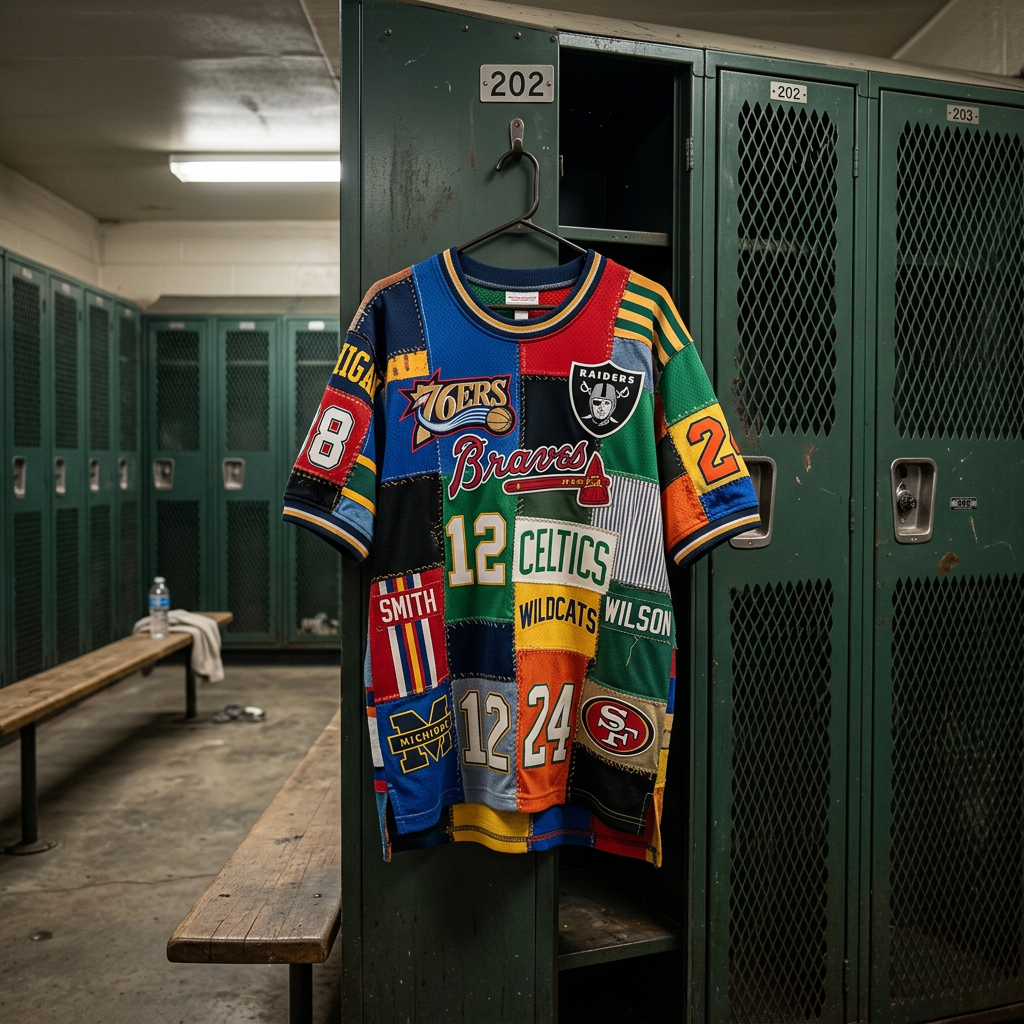
There was a time when fandom was a simple, messy, and deeply emotional affair. You bled the colors of your hometown team. You knew the batting average of your third baseman, sure, but you also knew his nickname, his walk-up song, and the story of how he signed his first contract. Today, a new kind of fan has emerged—one who can recite a player’s fantasy points per game but couldn’t tell you the name of the team’s actual depth chart. This is the era where fantasy sports replace real fandom, and it’s fundamentally changing how we experience the game.
When Stats Replace Stories: The Fantasy Shift
The most profound change is the erosion of narrative in favor of raw data. Real fandom is built on stories: the underdog pitcher who beat the odds, the slugger who broke a generational curse, the rookie who came from nowhere. Fantasy sports, by contrast, are built on a cold, sterile ledger of digits.
- Emotional attachment becomes transactional. You celebrate a home run not because it wins the game for your city, but because it boosts your points for the week.
- Rivalries are fractured. A die-hard Yankees fan might actively root for a Red Sox star—as long as that player is on their fantasy roster.
- Historical context disappears. Fantasy managers often ignore a player’s injury history or team culture, focusing only on projected points-per-game.
This shift turns a living, breathing sport into a math problem. The team becomes a vehicle for individual player production, and the rich tapestry of a season is flattened into a spreadsheet.
Watching the Box Score, Not the Game
Walk into any sports bar on a Sunday, and you’ll see the phenomenon: a dozen screens, each showing a different game, and the most intense gazes are fixed on the scrolling ticker at the bottom of the screen. The modern fantasy manager isn’t watching the game; they are monitoring the stats.
> Tip: If you find yourself refreshing a live scoreboard every 30 seconds while ignoring a playoff race, you’ve crossed the line from fan to manager.
The actual flow of a baseball or football game is slow, deliberate, and full of strategic nuance. Fantasy demands constant, instant gratification. This creates a toxic attention deficit, where a slow 3-2 count feels like a waste of time because it doesn’t generate fantasy points. The beauty of a well-executed bunt or a defensive shift is lost. The focus narrows to just the box score numbers: runs, rebounds, touchdowns, strikeouts.
Synthetic Loyalties: Players Over Teams
Perhaps the most jarring symptom of fantasy over fandom is the emergence of synthetic loyalties. This is the phenomenon where a fan’s identity is tied to a collection of players from multiple teams, rather than a single franchise. These loyalties are synthetic because they are manufactured by a draft algorithm, not by geography or family tradition.
- You hate the Cowboys, but you own Dak Prescott. Suddenly, you find yourself making excuses for a division rival.
- You love the Lakers, but you need the Celtics’ guard to score 30 points tonight. You feel a strange, guilty thrill.
- You trade away a homegrown hero because his projection is falling. You feel nothing but cold efficiency.
This creates a fragile, ephemeral fandom. When your fantasy season ends, so does your interest in the real-world playoffs. The deep, year-round passion for a single team is replaced by a shallow, 18-week commitment to a squad of mercenaries.
The Gamification Trap: From Fan to Manager
Fantasy sports have successfully gamified fandom, which is a double-edged sword. On one hand, it brings new people to the sport. On the other, it transforms the primary identity of the user from fan to manager.
A fan feels the high of a walk-off win in their chest. A manager feels the satisfaction of a successful waiver-wire pickup. The difference is between feeling and optimizing. The gamification trap lures you with points, badges, and league standings, creating an addictive loop.
- It rewards busywork. Analyzing matchups, streaming pitchers, and tinkering with lineups becomes a second job.
- It punishes joy. Celebrating a defensive stop is inefficient; you should have traded that player for a running back with a softer schedule.
- It reduces players to assets. The human element—a contract dispute, a family tragedy, a charity involvement—becomes irrelevant noise.
You are no longer a passenger on the bus; you are trying to drive it, even though you don’t own the bus or know the route. The feeling of control is a powerful illusion, and it often drowns out the humble, beautiful chaos of real sports.
Reclaiming Real Fandom Beyond the Draft
The good news? The joy of real fandom is still there, waiting for you. It doesn’t require you to delete your fantasy app. It simply requires a conscious recalibration of your attention.
> Pro Tip: Pick one game per week to watch entirely without a device. No phone, no laptop, no second screen. Just you, the game, and the crowd noise.
To reclaim real fandom, try these small steps:
- Learn a player’s story. Before you draft him, read a profile about his background.
- Invest in a rival. Force yourself to cheer for your favorite team against a team you own multiple players on. Feel the conflict; it reminds you who you really are.
- Celebrate a defensive play. Cheer a sack, a strikeout on a nasty curveball, or a P.K. save with the same fervor as a touchdown.
- Attend a live game. There is no box score app that can replicate the roar of a stadium or the smell of grass and hot dogs.
The ultimate goal is balance. Use fantasy to deepen your knowledge of the league, but don’t let it hollow out your emotional connection to the game. A real fan doesn’t just win a trophy in December; they lose their voice in a bar in April, they cry in the parking lot in October, and they swear they’ll never watch again—until next year.
Leave a Reply