Contents
- What Is the Participation Economy? A New Model for Real Value
- How Sports-Based Investing Generates Stable Returns
- Why This Model Creates Economic Stability Over Speculation
- A Solution to Gambling Addiction: Participation Over Chance
- Building the Future: How to Get Involved in the Participation Economy
Imagine an economy where value is tied to real human effort—where every dollar invested is backed by measurable performance, not hype or chance. This is the Participation Economy, a new model that replaces speculation with stability by harnessing the power of sports. In this article, we’ll explore how sports-based investing creates real value, reduces volatility, and offers an ethical alternative to gambling. Whether you’re an investor seeking stable returns or a sports fan wanting to participate, the blueprint is here.
What Is the Participation Economy? A New Model for Real Value
Consider a basketball player who earns a tokenized share of his future earnings based on points scored per game. When he performs well, the token’s value rises—not because of market speculation, but because of actual human performance. This is the core of the Participation Economy: an economic system where value is generated through participation, effort, and measurable outcomes, rather than through betting on uncertain events or trading synthetic assets.
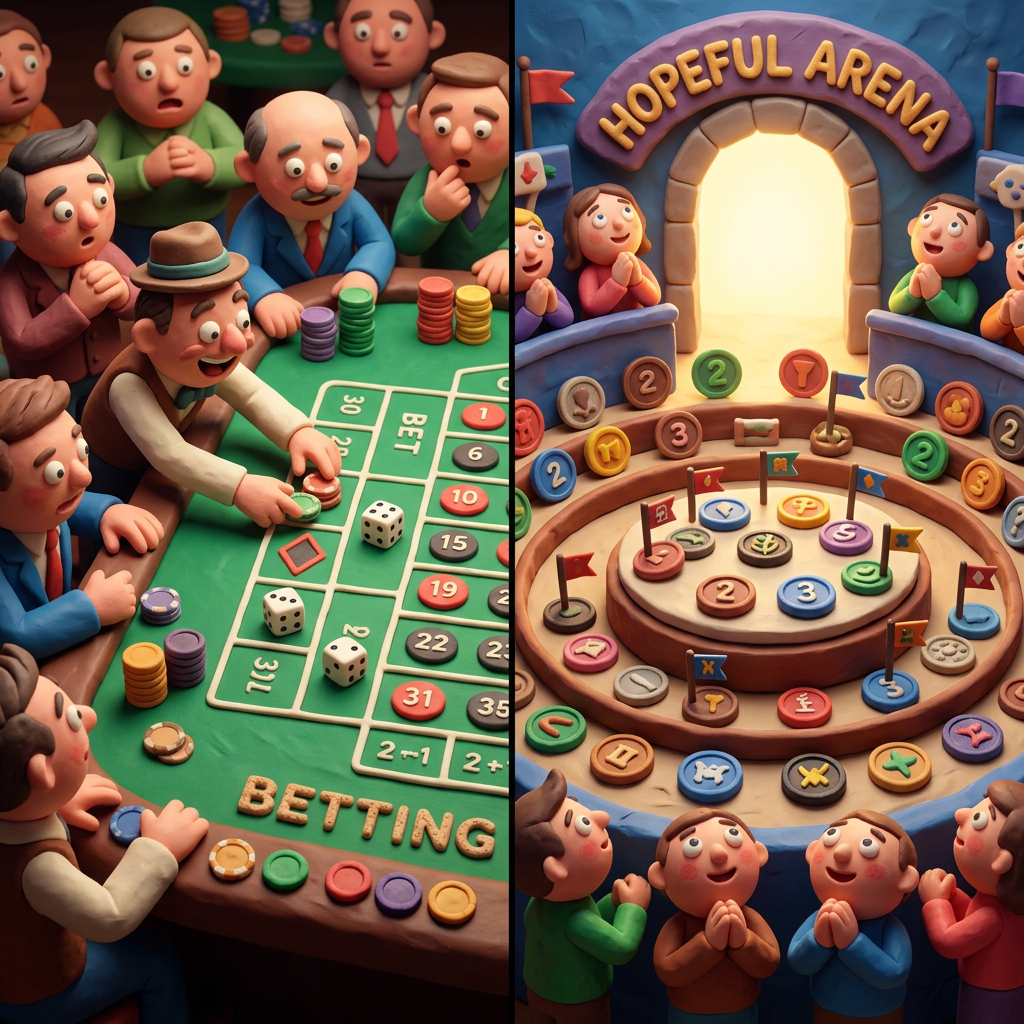
Unlike crypto or prediction markets—which often rely on speculation and can be highly volatile—the Participation Economy grounds value in real-world activity. It replaces the casino-like atmosphere of modern finance with a model that rewards skill, consistency, and community. By focusing on human performance, this economy offers a path to stable returns and genuine economic growth.
How Sports-Based Investing Generates Stable Returns
Sports-based investing works by linking financial instruments to the performance of athletes or teams. For example, a fan token might pay dividends based on a soccer team’s win percentage, or an athlete equity fund could distribute earnings from a player’s contract and endorsements. These assets are backed by data—game statistics, training metrics, and health indicators—making them more predictable than traditional speculative assets.
Take a concrete example: a professional basketball player issues a performance token that pays $0.10 for every point he scores in a game. Over a season, his average points per game is 20, so investors earn $2 per game per token. This creates a direct link between effort and return, reducing the role of chance. Compare this to a cryptocurrency that might swing 20% in a day based on a tweet—sports-based investing offers a much steadier ride.
- Athlete equity: Investors fund training in exchange for a percentage of future earnings.
- Fan tokens: Tokens that grant voting rights and revenue shares tied to team performance.
- Performance bonds: Bonds that pay out based on specific athletic milestones (e.g., a runner breaking a record).
When compared to the stock market, sports-based investments show lower correlation with economic cycles. While a recession might hurt corporate profits, a basketball player’s scoring ability remains relatively stable. This makes human performance value a powerful diversifier in any portfolio.
Why This Model Creates Economic Stability Over Speculation
The Participation Economy’s greatest strength is its ability to reduce volatility. By tying value to real human performance—something that can be measured, predicted, and improved—it avoids the boom-and-bust cycles of speculative markets. For instance, a portfolio of sports-based investments might include tokens from multiple athletes across different sports, spreading risk much like an index fund.
Critics might point to injury risk as a flaw. However, just as index funds diversify across companies, a well-structured sports portfolio diversifies across athletes, sports, and leagues. Insurance products and smart contracts can further mitigate risks. The result is a volatility-free economy where returns are driven by effort, not luck. For more on diversification strategies, see our article on building resilient portfolios.
A Solution to Gambling Addiction: Participation Over Chance
Gambling addiction affects millions worldwide, fueled by the thrill of chance and the illusion of control. The Participation Economy offers a stark contrast: instead of betting on an outcome, you invest in the process. When you buy a token tied to a player’s performance, you are essentially a stakeholder in their success. Your return depends on their hard work, not on a random event.
Studies show that skill-based activities reduce the risk of addiction compared to pure chance games. By focusing on participation and community, this model promotes long-term engagement rather than short-term highs. A common question is: “Is this just gambling in disguise?” The answer is no—because the value is created by real performance, not by odds. It’s ethical investing, not betting.
Building the Future: How to Get Involved in the Participation Economy
Ready to participate? Several platforms already allow you to invest in athletes and teams. For example, platforms like [Reputable Sports Investing Platform] let you buy shares in a soccer player’s future transfer fees or a basketball player’s performance tokens. You can start small—even $50 can get you a stake in a promising athlete.
To begin, research athletes with strong track records and low injury histories. Diversify across sports and leagues. Join communities where fans and investors share insights. As the Participation Economy grows, we may see mainstream adoption where retirement funds include human performance assets alongside stocks and bonds.
The future of investing is not about guessing which way the market will swing—it’s about backing real people who create real value. The Participation Economy is a blueprint for that future, and you can be part of it today. Start by exploring platforms, learning the metrics, and making your first investment in human performance.
Leave a Reply